



White Parian Ware Figurine
White parian ware figurine pieces capture classical form in unglazed porcelain, offering a sculptural elegance that defines Victorian display.
White Parian Ware Figurine
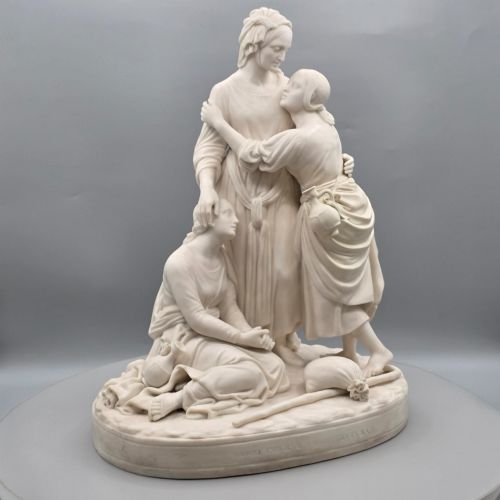
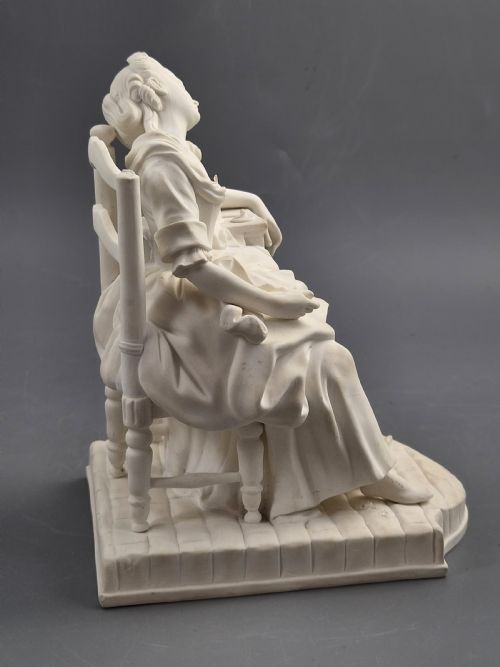
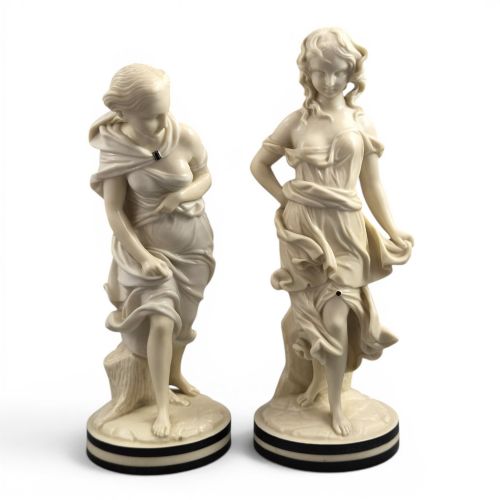
A white parian ware figurine represents the sculptural ambitions of nineteenth-century ceramic design, often reproducing classical subjects or literary figures. These pieces emerge primarily from the Victorian era, spanning the mid to late nineteenth century through to around nineteen hundred. Most examples take the form of single figures, pairs, or sculptural groups depicting classical maidens, children, and animals.
Makers ranged from major English potteries like Minton, Copeland, and Royal Worcester to continental works such as Triebner Ens and Co in Volkstedt and Old Paris factories. The forms vary from intimate cabinet statuettes to larger scale studies of mythological scenes. Collectors encounter figures modelled after notable sculptors alongside original Victorian compositions.
Materials and modelling techniques
The manufacturing process involved slip-casting the porcelain in multiple moulds before careful hand-chasing of the surface detail while leather-hard. This technique allowed factories to achieve the smooth flesh tones and intricate drapery characteristic of neoclassical and neo-rococo styles.
Current listings feature nineteenth-century pieces spanning the Victorian era, utilising parian porcelain, biscuit porcelain, enamel, and paint across neoclassical and neo-rococo styles.
Assessing sculptural and material quality
Quality in these figures rests on the crispness of the modelling and the subtlety of the surface finish. Superior examples retain sharp facial expressions, delicate fingers, and clean drapery folds without the softening that occurs when moulds become worn. The purity of the parian paste itself also varies, with better pieces showing an even, marble-like density across the entire surface.
Scale and ambition separate standard decorative wares from exceptional sculptural studies. Larger scale figures and complex multi-figure groups require greater technical skill in firing to prevent warping or cracking, marking out the work of premier factories.
Minton·Royal Worcester·Copeland·Triebner Ens and Co·Old Paris
The White Parian Ware Figurine Glossary
- Parian ware
- A type of fine unglazed biscuit porcelain developed in England during the nineteenth century to resemble carved white marble. It derives its name from Parian marble quarried on the Greek island of Paros.
- Biscuit porcelain
- Unglazed ceramic ware that has been fired once and retains a matte, porous texture. In these figures, it provides the characteristic stone-like finish.
- Neo-rococo
- A nineteenth-century revival style drawing on the asymmetry and scrollwork of the eighteenth-century rococo movement. It often appears combined with classical subjects in Victorian decorative arts.
- Slip-casting
- A manufacturing method where liquid porcelain clay is poured into plaster moulds to create hollow sculptural forms. This technique allowed Victorian potteries to mass-produce complex figures with consistent detail.
White Parian Ware Figurine: Frequently Asked Questions
How do I clean white parian ware?
Because the porcelain is unglazed and porous, it absorbs dirt and grease easily. Gentle dusting with a soft brush usually suffices for routine maintenance.
For stubborn marks, a dry cleaning sponge can lift grime without introducing moisture that stains the matte ceramic body.
What is the difference between parian and bisque?
Bisque porcelain refers generally to any unglazed ceramic fired once to a matte state. Parian ware is a specific formulation developed in the nineteenth century using feldspar to create a denser body that closely mimics marble.
While all parian is technically a form of bisque, true parian possesses a characteristic translucency and grain that standard biscuit porcelain lacks.
Are these figures normally marked?
Many nineteenth-century pieces bear factory impressed marks, painted numbers, or titles on the base. Copeland, Minton, and Royal Worcester frequently used specific stamps that help date the manufacture.
Unmarked examples remain common, requiring attribution based on the quality of the parian paste, modelling style, and subject matter.
Where were these figures displayed?
Victorians placed these sculptural works on mantelpieces, side tables, and within glass-fronted cabinets in drawing rooms. Their classical subjects suited the serious cultural aspirations of nineteenth-century domestic interiors.
Smaller pieces served as decorative ornaments or menu holders, while larger groups functioned as independent works of art.