



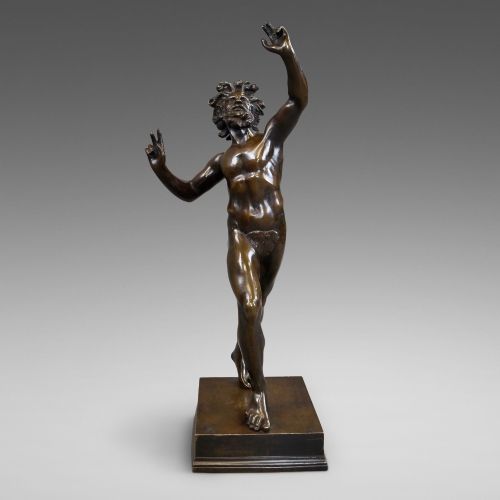
Classical Neoclassical Sculpture
Classical neoclassical sculpture brings the enduring weight of antiquity into a room, spanning bronze figures, marble busts and Grand Tour souvenirs from the nineteenth century.
Classical Neoclassical Sculpture
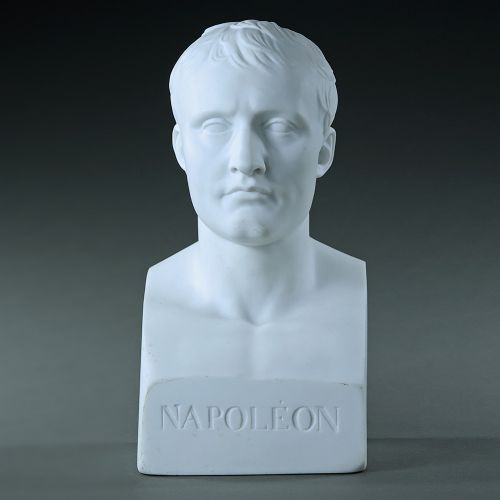
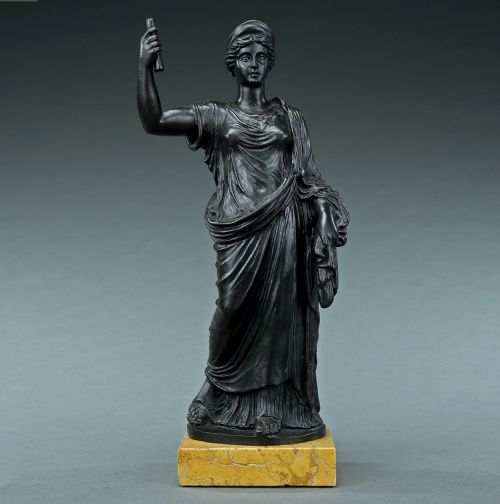
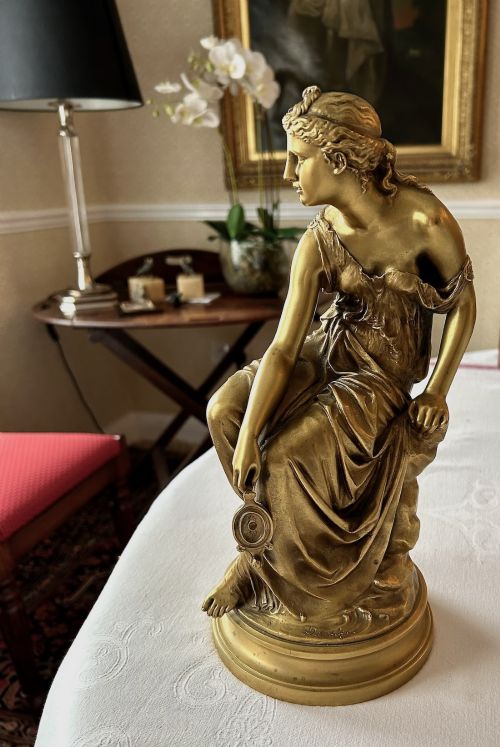
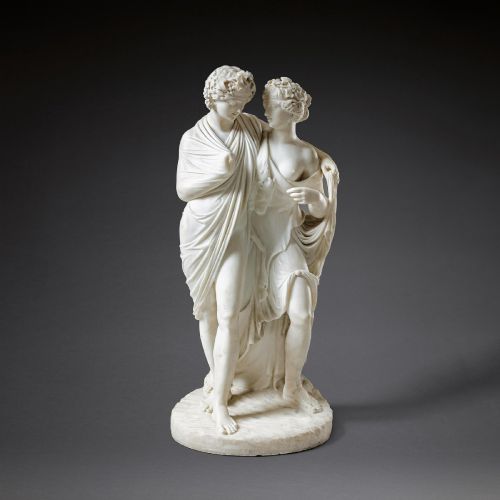
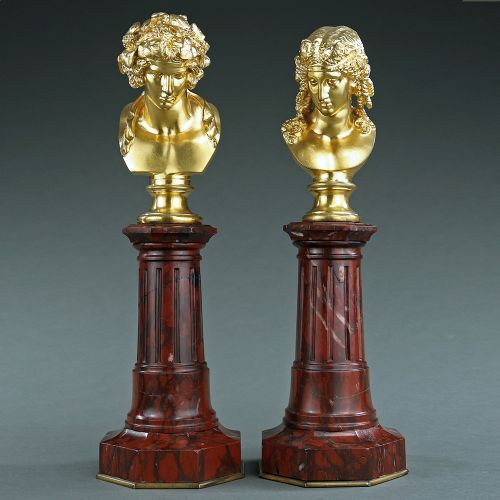
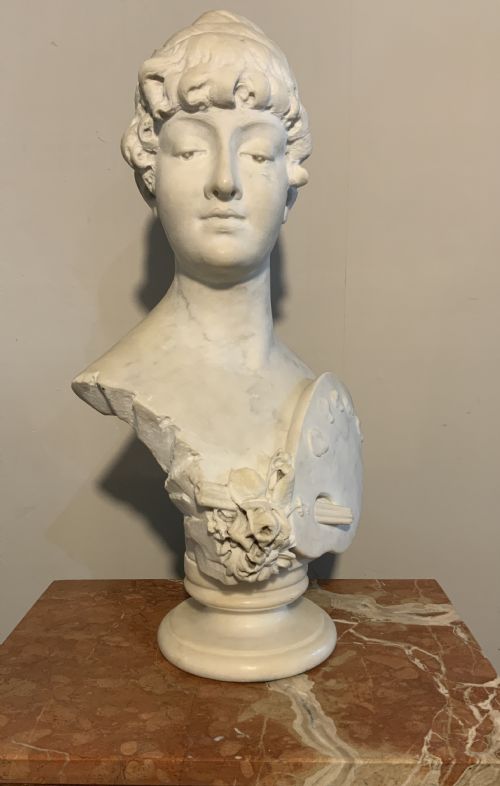
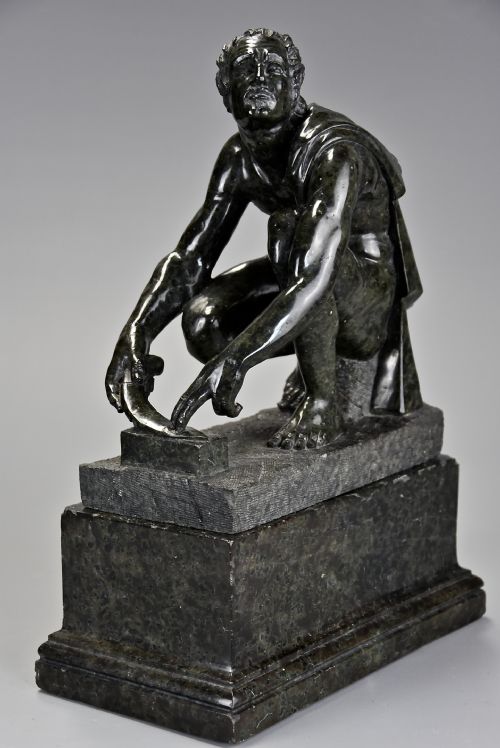
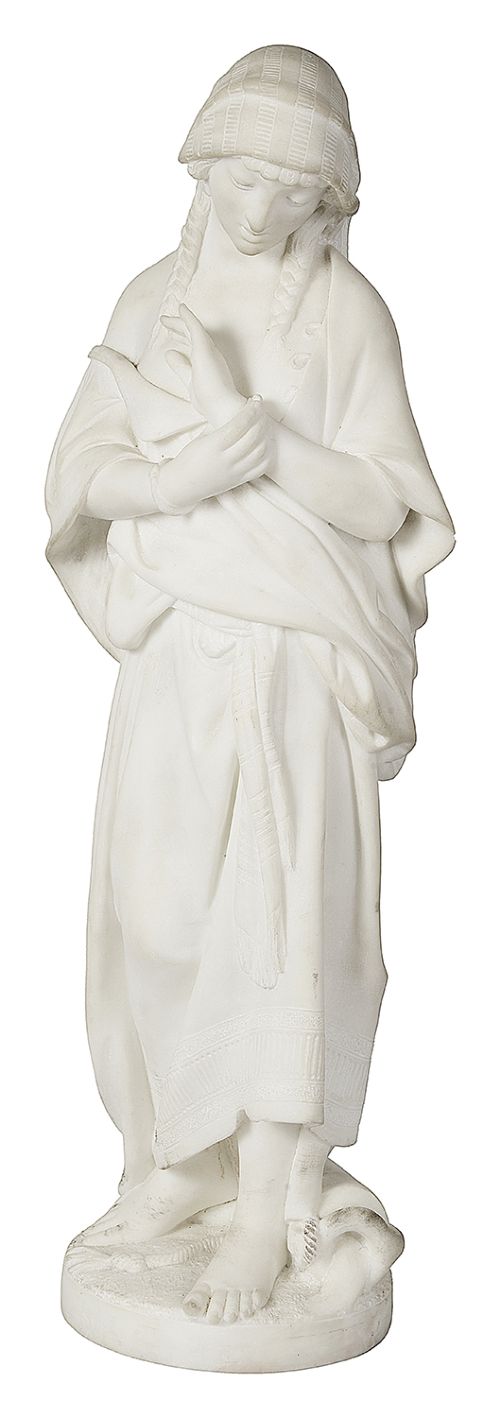
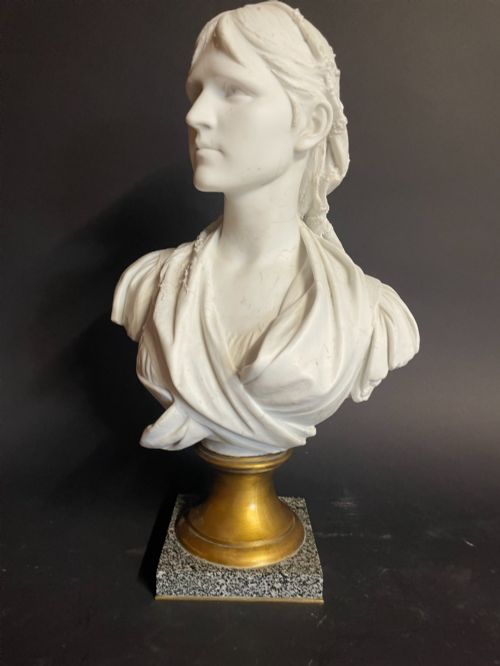
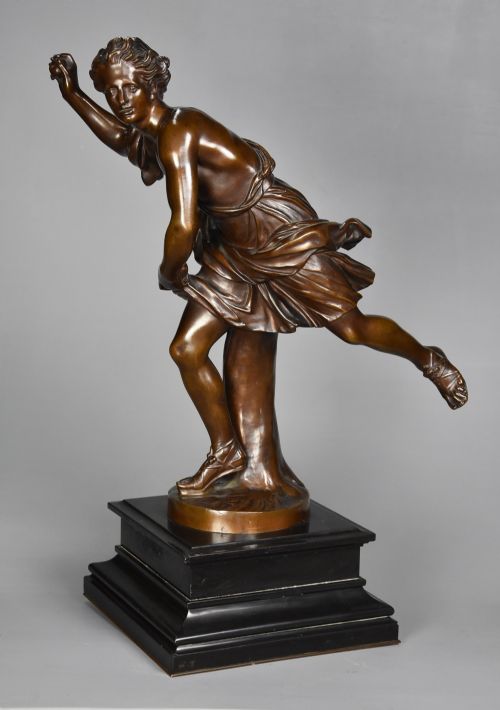
When you search for classical neoclassical sculpture, you encounter a range of nineteenth-century works drawing directly from ancient Greek and Roman models, mythology and heroic history. These pieces take the form of bronze figures, carved marble busts, terracotta and cast stone representations of gods, emperors, dancers and mythological creatures. Grand Tour souvenirs and reductions of famous antiquities dominate the selections you meet here, produced across Italy and France during the Victorian era and earlier decades.
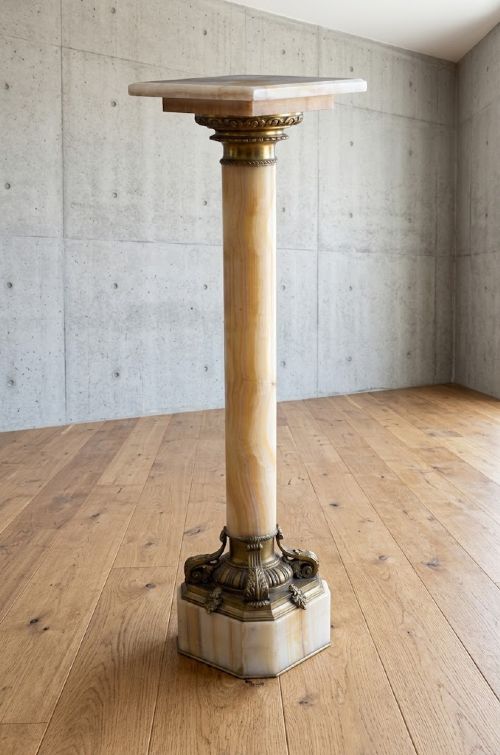
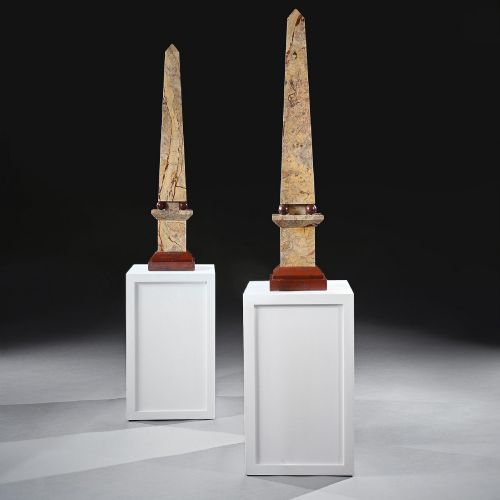
Subjects range from mythological figures like Bacchus, Ariadne, Hermes and the Venus de Milo to historical portraits of Caesars and classical maidens. You will also find architectural elements such as columns, pedestals, obelisks and temples in various marbles like Carrara, Siena, Portasanta and Rosso Antico. These objects served as scholarly mementos for travellers or as stately domestic ornaments designed to project refinement and classical learning.
How they were made
Foundries produced the bronze items through the lost-wax method or sand casting, applying patinated, gilt or verdigris finishes to replicate excavated antiquities or rich cabinet bronzes. Many French and Italian works received chasing and surface detailing by hand after casting.
Carvers shaped the marble works from blocks of Carrara, Bardiglio or serpentine, often following the antique originals seen in European collections. Stonemasons and sculptors also utilised plaster, stucco, onyx and cast stone for architectural columns, obelisks and portrait busts.
Listings feature works in bronze, white marble, Carrara marble, gilt bronze, patinated bronze, plaster, cast stone, onyx and various decorative stones.
What varies in quality
The selection of materials dictates a piece's standing, with solid Carrara marble, rich patinated or gilt bronzes, and multi-coloured decorative stones like Siena or Portasanta marking out superior examples. Signed foundry pieces or works attributed to documented sculptors carry greater authority than unmarked tourist souvenirs.
Etienne-Henri Dumaige·Ferdinand Barbedienne·Carlo Albacini·Coustou·Barranti·Pierre-Augustin Caron de Beaumarchais·Émile Louis Picault·Antonio Canova·Eugene Aizelin·J Francis·Hopper
The Classical Neoclassical Sculpture Glossary
- Grand Tour
- A traditional trip through Europe undertaken by upper-class young men to absorb classical art and culture. Souvenirs collected on these journeys form a core part of this category.
- Patinated bronze
- Metal treated with chemical solutions to produce a darkened, aged surface finish. This technique highlights relief details and mimics excavated ancient artefacts.
- Carrara marble
- A type of white or blue-grey marble quarried in the city of Carrara in Tuscany. Sculptors prized it for its fine, uniform grain and luminous quality.
- Gilt bronze
- Metal coated with a thin layer of gold using mercury amalgamation or modern electroplating. This process creates a bright, decorative golden surface on sculptural figures and mounts.
- Verdo prato
- A deep green decorative marble often used for Italian architectural elements and small-scale sculptural bases. Its mottled appearance resembles ancient verd antique.
Classical Neoclassical Sculpture: Frequently Asked Questions
What is a Grand Tour sculpture?
A Grand Tour sculpture is a portable work of art, such as a bronze figure or marble bust, purchased by travellers in Italy and France during the nineteenth century. These objects reproduced famous ancient monuments and museum pieces for display in private homes.
They served as tangible proof of a classical education and refined artistic taste. Subjects typically included mythological deities, Roman emperors and celebrated classical statues.
How do I care for nineteenth-century marble?
Nineteenth-century marble requires gentle dusting with a soft, dry cloth to prevent abrasive particles from scratching the polished surface. Avoid using chemical cleaners, detergents or excess water, which can penetrate porous stone.
If deeper cleaning becomes necessary, consult a professional conservator rather than attempting DIY treatments. Protecting the stone from direct sunlight and sudden temperature changes helps preserve the original finish.
What does after the antique mean?
The phrase after the antique denotes a sculpture created in conscious imitation of an ancient Greek or Roman original. Nineteenth-century artists frequently copied renowned masterworks housed in European museums to satisfy public demand for classical aesthetics.
These interpretations ranged from exact scale reductions to artistic variations on themes established by ancient sculptors. They allowed collectors to own a version of world-famous heritage pieces.
Where were these bronzes cast?
Many of these bronzes originated in specialist foundries located in Paris and Italian cities like Florence and Rome during the Victorian period. Prominent foundries employed skilled artisans to cast, chase and patinate figures destined for the international art market.
Foundry marks and signatures stamped into the metal base often indicate the workshop responsible for the production. These marks assist in dating and attributing individual pieces.