



White Parian Porcelain
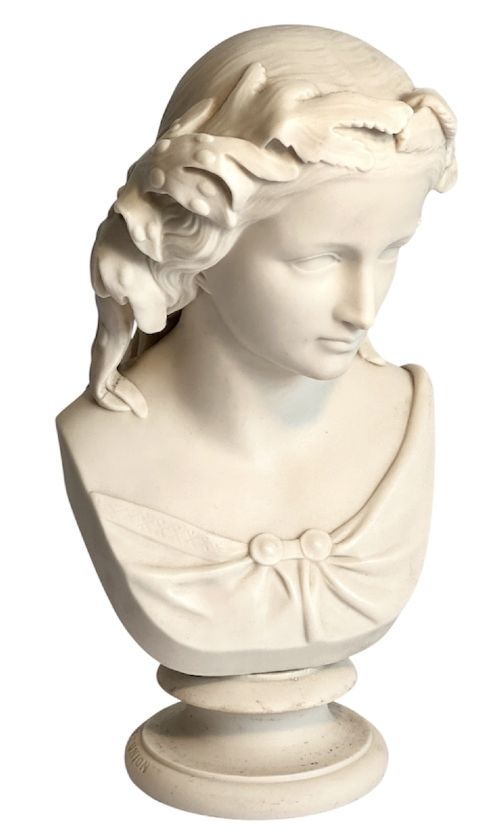
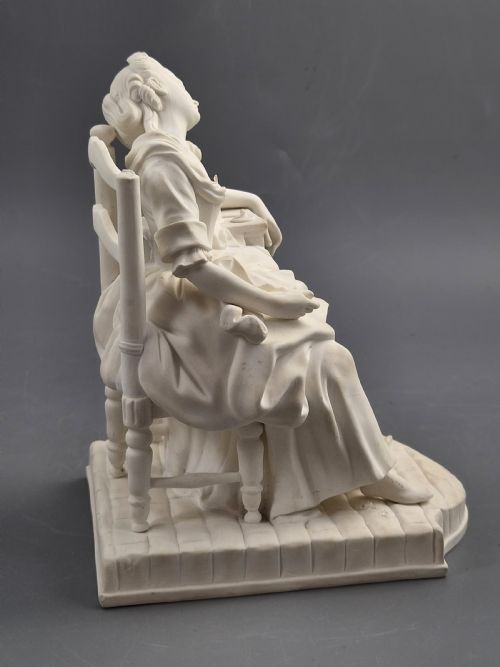
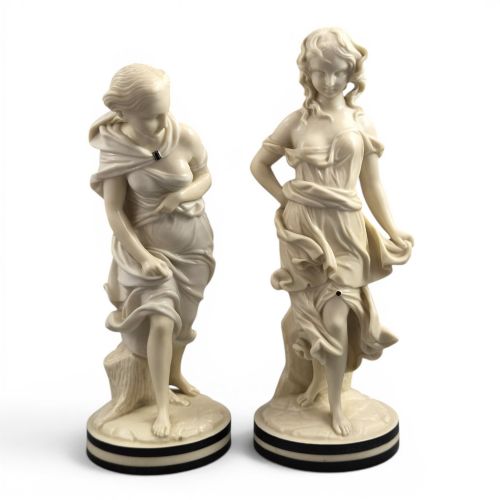
White parian porcelain brings classical sculpture into nineteenth-century domestic interiors through unglazed, marble-like biscuit ceramic figures and busts.
White Parian Porcelain
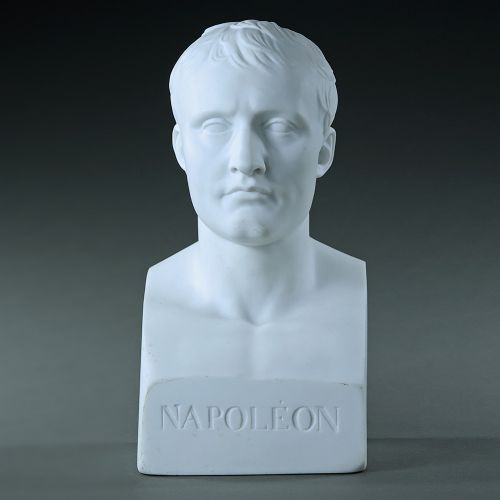
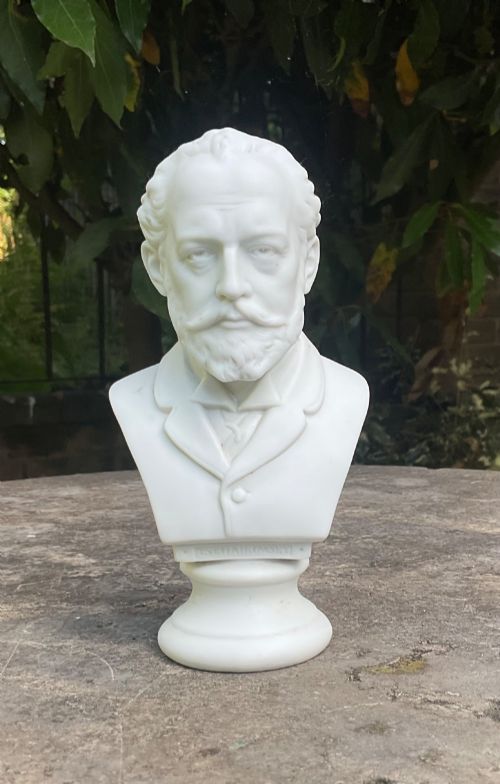
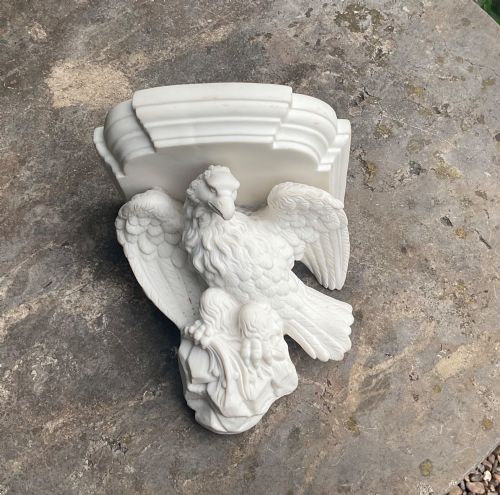
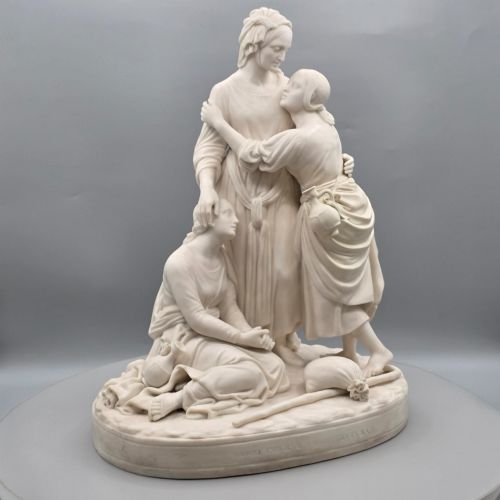
White parian porcelain objects embody the nineteenth-century taste for neoclassical and Victorian sculpture in miniature form. These pieces include portrait busts of historical figures, classical mythological groups, figurative wall brackets, and utilitarian items like drinks jugs and scent bottles.
The objects derive their subjects from antique sculpture, contemporary literary heroines, and allegorical themes popular during the Victorian era. Figures often rest on integrated ceramic plinths or serve as sculptural centerpieces for nineteenth-century dining and drawing rooms.
Most examples originate from major English factories like Minton and Copeland, alongside continental European works from Sèvres, Old Paris, and German potteries. The items span the nineteenth century, with strong representation from the middle decades through to eighteen ninety.
Materials and manufacture
Makers produced these works using a specialised formula of fine feldspathic porcelain fired without a glossy glaze, which created a matte surface resembling carved marble. This unglazed ceramic body is commonly known as biscuit or bisque porcelain, or parian ware.
Artisans cast the liquid clay slip in multiple plaster moulds before careful assembly and firing at high temperatures. Detail work was often hand-chased after casting to sharpen the facial expressions and drapery folds of the figures.
Certain pieces incorporate supplementary decorative elements such as enamel highlights, gilt bronze mounts, or applied ceramic details to accent the stark white biscuit body.
Among the classical heroines and political figures, nineteenth-century makers also cast an unusual bisque pottery poodle.
Judging quality and craftsmanship
The reputation of the producing factory and the skill of the original sculptor heavily influence the standing of a piece. Works modelled by recognised nineteenth-century sculptors for prominent firms demonstrate superior artistic proportion and balance.
Sèvres·Minton·Copeland·Royal Worcester·Triebner Ens And Co
The White Parian Porcelain Glossary
- Parian ware
- A type of unglazed hard-paste porcelain developed in the mid-nineteenth century to imitate carved white marble. It derives its name from Parian marble found on the Greek island of Paros.
- Biscuit porcelain
- Unglazed ceramic fired once to vitrify the body and leave a matte, porous surface texture. It is also frequently called bisque.
- Neoclassical
- A revival style drawing inspiration from the classical art and architecture of ancient Greece and Rome. It dominates the aesthetic of many nineteenth-century figural groups and busts.
- Wall bracket
- A decorative architectural shelf designed to be mounted on a wall to support a bust or small sculpture. Examples in this ceramic body provide a matching pedestal for parian figures.
- Slip
- A liquid suspension of clay and water used in pottery moulds to form hollow ceramic objects. It allows intricate figures to be cast with consistent wall thickness.
White Parian Porcelain: Frequently Asked Questions
What is white parian porcelain?
White parian porcelain is an unglazed ceramic material developed in the nineteenth century to imitate carved marble sculpture.
Factories used this fine porcelain body to produce affordable miniature figures, portrait busts, and decorative vessels for domestic display.
How were these figures used?
Nineteenth-century households displayed these figures on mantelpieces, side tables, and dedicated wall brackets in drawing rooms.
Some items served practical functions alongside their decorative role, including drinks jugs, scent bottles, and centerpiece dishes.
How do I clean parian porcelain?
The unglazed matte surface can absorb dirt and oils from handling over time due to its porous nature.
Gentle dusting with a soft brush or careful washing with warm water and mild soap usually maintains the white surface without damage.
How can I date a piece?
Dating relies on factory registration marks, impressed maker stamps, and stylistic cues associated with the Victorian and nineteenth-century periods.
Subject matter and the specific sculptor credited in the title also help narrow the production era.