




White Painted Table
A white painted table brings a clean, reflective surface to a room, drawing on periods from the eighteenth century to the mid-twentieth with styles ranging from French country to Gustavian.
White Painted Table
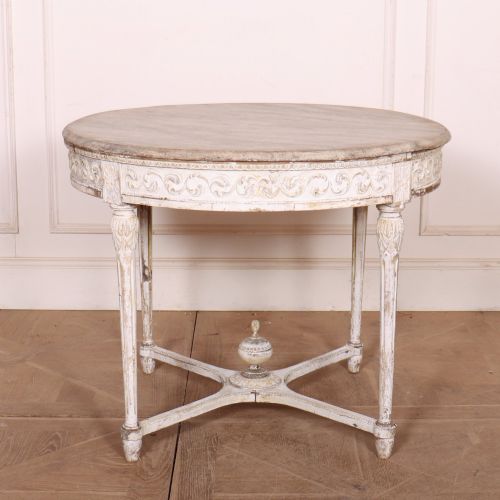
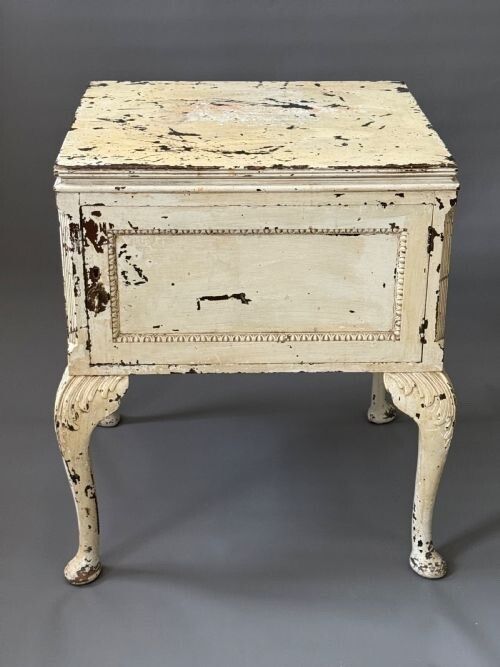
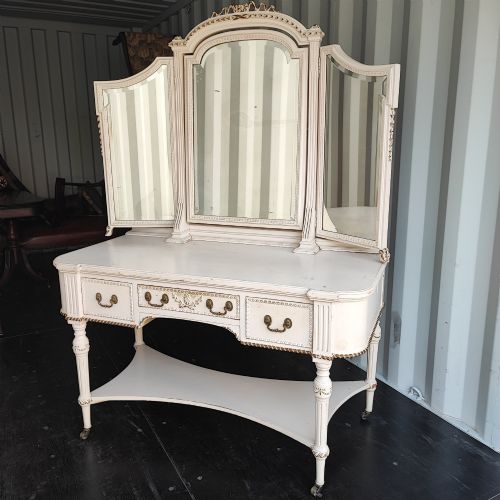
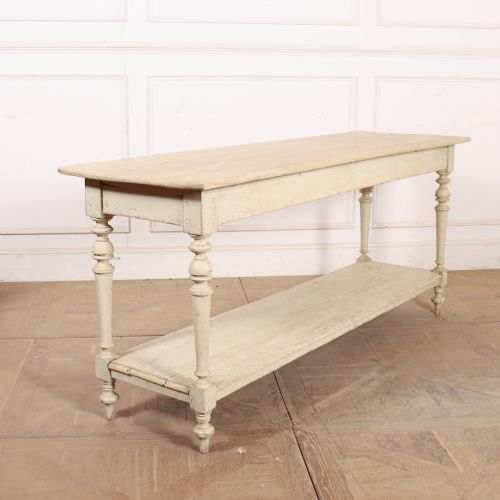
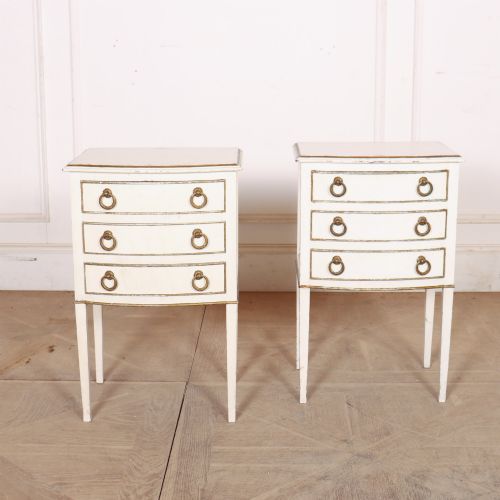
When you search for a white painted table, you encounter a diverse array of forms designed for various domestic uses, spanning side tables, console tables, dressing tables, and prep tables. These pieces draw on traditions from nineteenth-century Victorian workshops as well as continental styles including French chateau, French rococo revival, and Scandinavian country.
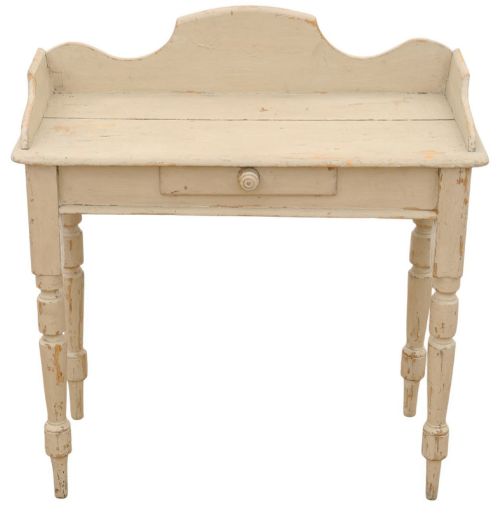
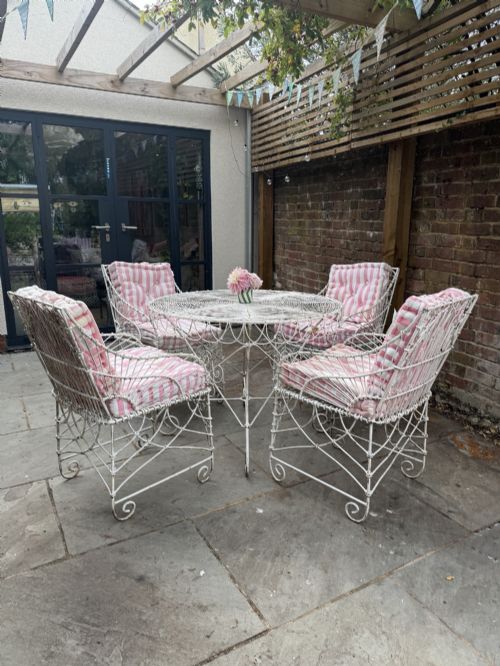
The version you are most likely to meet on this page is a nineteenth-century pine or cast-iron piece, often originating from English country houses or French provincial settings. Side tables, bedside cabinets, and garden dining sets frequently appear, reflecting both interior and conservatory use across the 1800s, 1900s, 1920s, and 1930s.
How They Were Made
Construction relies heavily on timber such as pine and fruitwood, alongside durable metals like cast iron for garden and conservatory furniture. Surfaces are finished with paint, sometimes applied over earlier wood finishes or later updated with layers of white pigment.
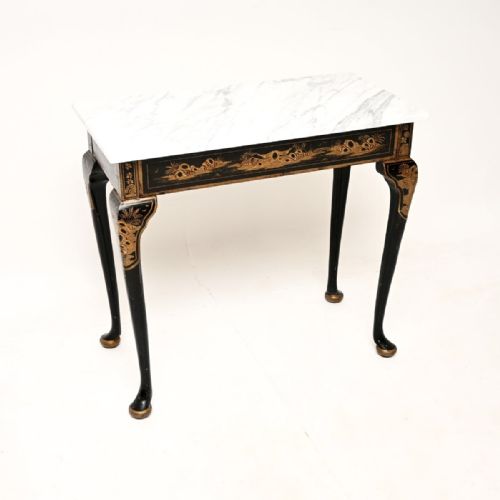
Detailing involves carved wood elements, marble tops, and brass fixtures, particularly on nineteenth-century console and dressing tables. French and Swedish pieces frequently utilise hand-carved motifs that align with neoclassical and rococo revival tastes.
French country, Gustavian, and Victorian styles dominate the painted table selections currently available.
What Varies in Quality
Quality separates through the integrity of the underlying timber or cast-iron structure and the authenticity of the surface finish. Pieces retaining original paint demonstrate greater historical value than those subjected to later re-painting.
Subtlety of carving and the integration of secondary materials, such as fitted marble tops on prep and console tables, distinguish standard utility items from finer workshop productions.
Flight Barr And Barr·KPM Berlin·Maples Of London And Paris·Liberty And Co·Charles Rennie Mackintosh
The White Painted Table Glossary
- Gustavian
- A Swedish aesthetic characterised by neoclassical restraint, light colours, and simplified floral carvings. It heavily influences Scandinavian country furniture.
- Console table
- A table designed to stand against a wall, frequently secured with brackets and topped with marble. It serves decorative and display functions in hallways and reception rooms.
- Drapers table
- A long, sturdy prep table traditionally utilised in textile shops for folding cloth. They possess generous proportions and utilitarian charm.
- Cast iron
- An iron-carbon alloy poured into moulds, widely utilised for nineteenth-century garden and pub tables. It provides robust outdoor durability.
- Chinoiserie
- European decorative style inspired by Chinese artistic traditions, featuring lacquered surfaces and painted motifs. It is seen on Victorian side tables.
White Painted Table: Frequently Asked Questions
Where should I place a white painted table?
These tables suit bedrooms as dressing tables or bedside cabinets, and hallways as console tables. Garden and conservatory variants work well in outdoor spaces.
Lighter finishes brighten darker corners and complement neutral interior palettes.
How do I care for painted wooden surfaces?
Dust regularly with a soft, dry cloth to prevent dirt accumulation on the painted finish. Avoid harsh chemical cleaners that might strip the pigment.
Use coasters under glasses and protect marble tops from acidic spills to preserve the surface condition.
Are these tables suitable for daily use?
Prep tables and bedside cabinets were built for practical domestic tasks and remain sturdy for everyday service. Cast-iron garden sets handle outdoor environments reliably.
Lighter decorative pieces require more care to protect delicate painted details.
How can I distinguish period styles?
Victorian and nineteenth-century pieces often feature heavier cast iron or pine with traditional joinery. Gustavian and Scandinavian items emphasise lighter, restrained neoclassical carving.
Twentieth-century examples from the 1920s and 1930s lean towards simpler lines and different paint layering techniques.