
White Painted Framed Painting
When you search for white painted framed painting, you enter a world of portraits, landscapes and still lifes spanning several centuries.
White Painted Framed Painting
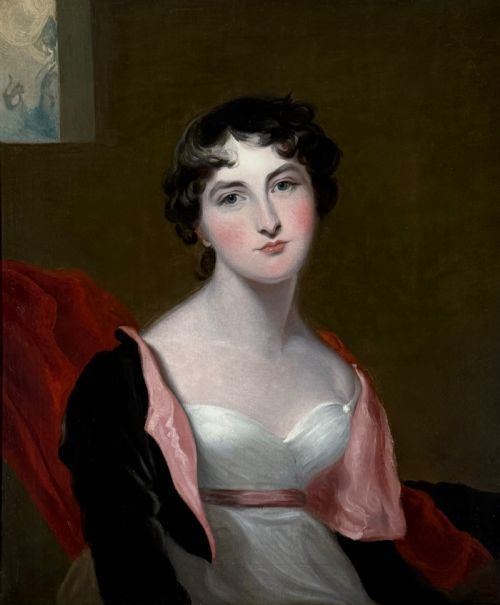
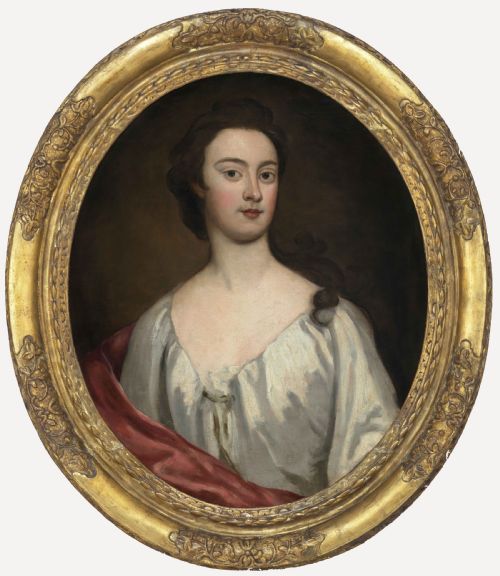
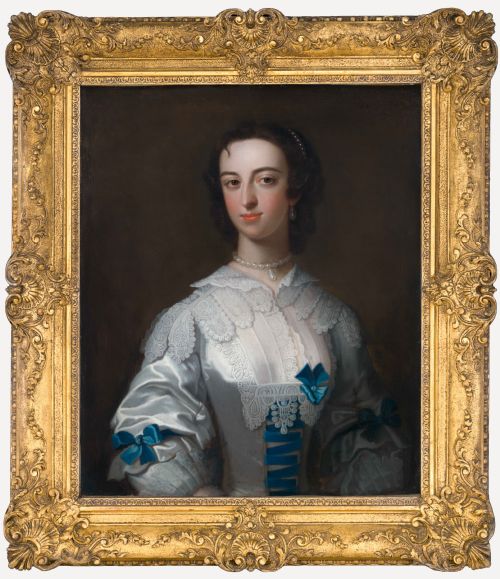
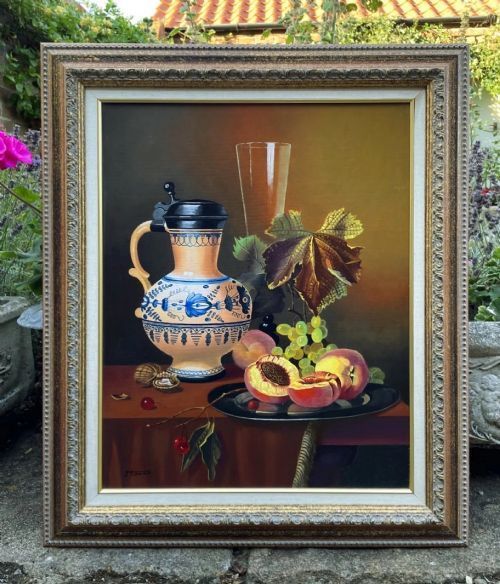
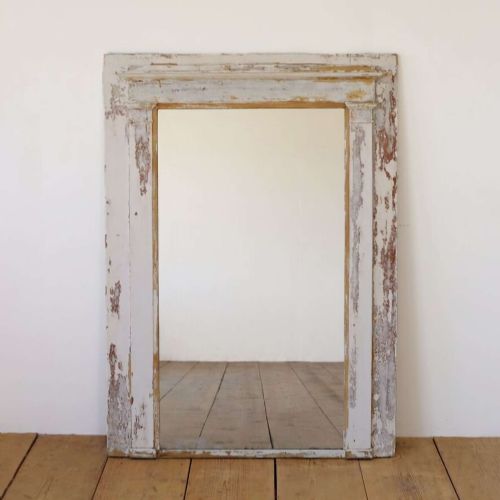
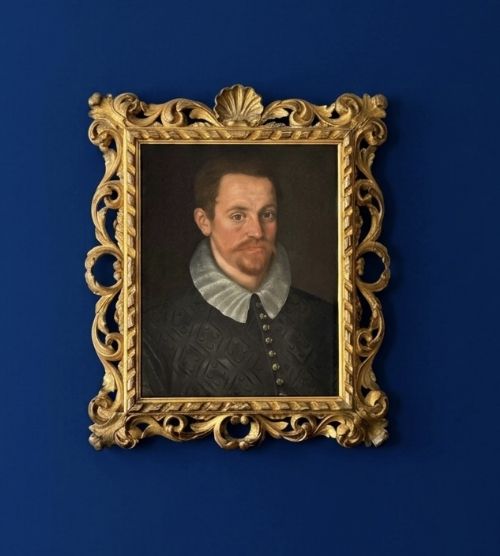
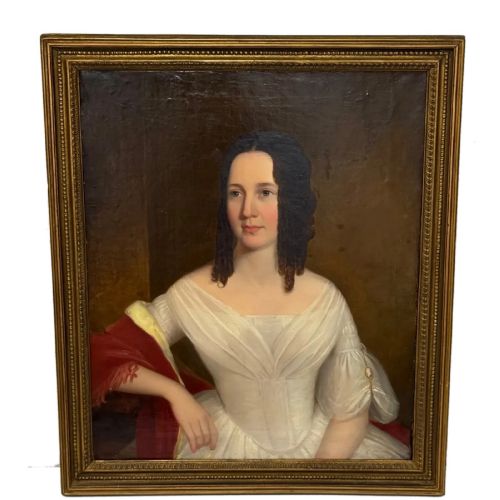
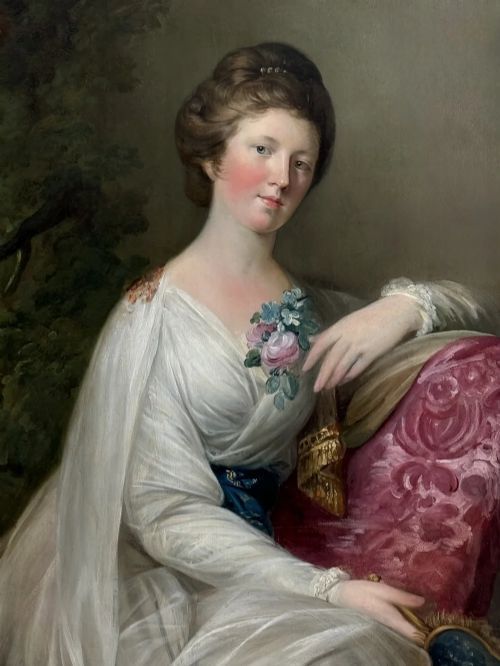
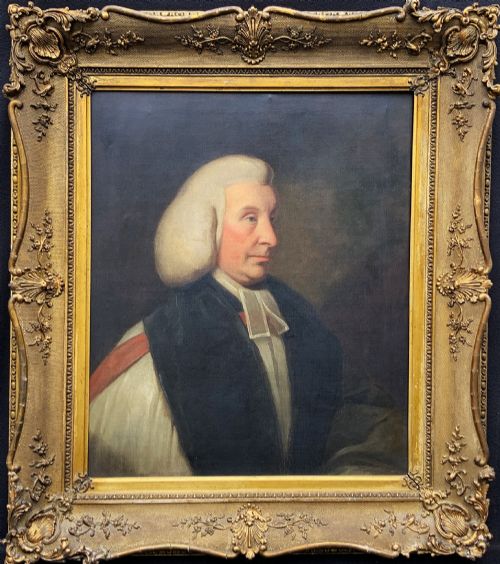
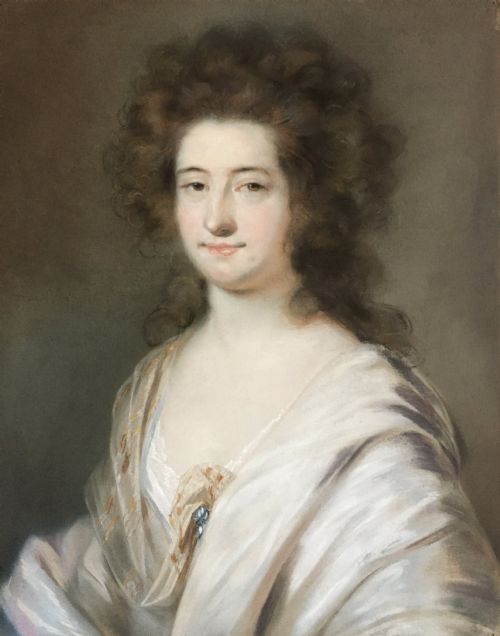
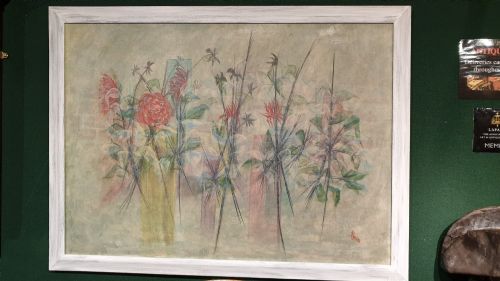
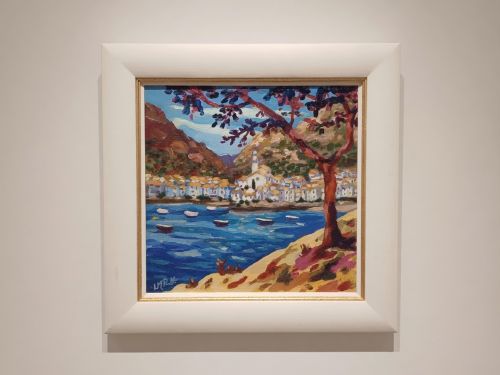
A white painted framed painting brings together oil on canvas, pastel on paper and oil on board works housed within surrounds that show the decorative choices of different eras. When browsing white painted framed painting examples, collectors encounter 18th-century portraits alongside mid-century landscapes and floral studies.
The selection ranges from early oil portraits of notable individuals to 20th-century impressionist scenes. Many pieces retain their original or period frames, which have received subsequent coats of white paint to suit changing interior aesthetics.
How they were made
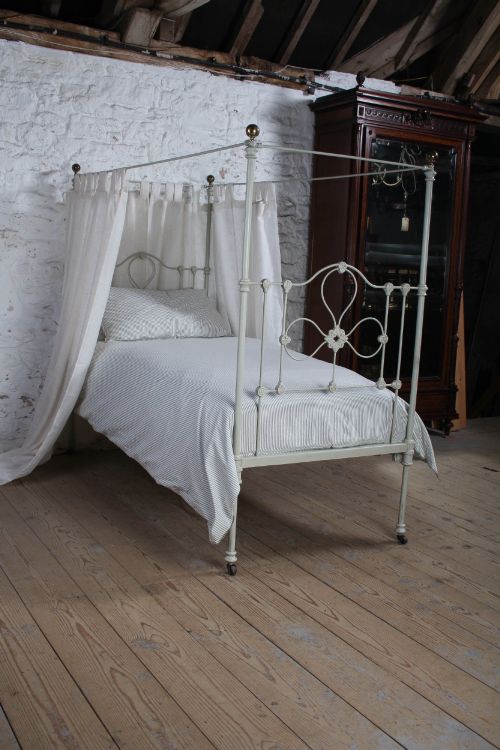
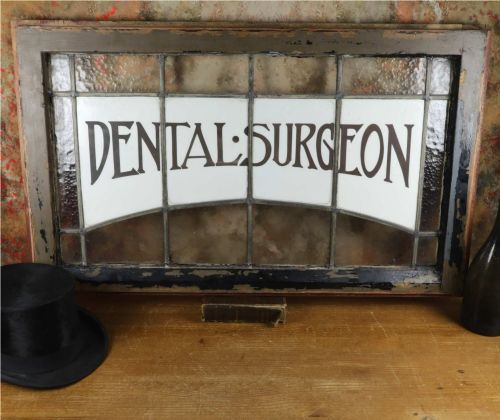
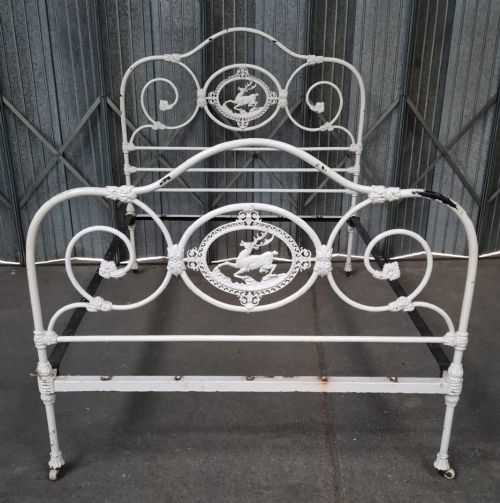
Makers built these works using traditional oil paint applied to stretched canvas, wooden panels or paper boards, often finished with gesso preparation layers on the supporting frames. Wood provides the structural base for both the panels and the surrounding mouldings, while cast iron and glass appear in associated mirror and signage listings.
Painters utilised fine brushes for detailed portraiture and broader strokes for impressionist landscapes, sealing their pigments with protective varnishes. The frames received layered paint applications over gesso, creating textured surfaces that aged alongside the artworks they enclose.
Materials across the selection include oil paint, canvas, wood, glass, cast iron, gesso, and paper.
What varies in quality
The distinction between standard and superior pieces rests upon the fidelity of the brushwork, the handling of light and shadow, and the proportion of the frame to the canvas. Master painters achieved depth and expression with practiced economy, whereas lesser hands produced rigid forms and flat colour.
Originality of the frame and surface preservation also dictate standing within the market. Works that retain their untouched early paint layers and period stretchers command greater attention from discerning eyes than those with heavy later interventions.
George Willison·John Russell·Lucy Pratt·Emma Fordyce MacRae·Louis Charles Verwee·Ian Parker·Jeremiah Davison·Henry Pickering·Cornelius Johnson·Alexander Jamieson·Paul Elie Gernez·Nicolaes Maes·John Greenhill·Lionel Horsnell·Elisabeth Bardon·Helen Layfield Bradley·Gertrude Hayes·Thomas Bromley Blacklock
The White Painted Framed Painting Glossary
- Gesso
- A plaster mixture used as a base coat on wooden frames and panels to prepare the surface for painting or gilding. It provides a smooth foundation that accepts subsequent paint layers.
- Impasto
- A technique where paint is laid onto a canvas in very thick areas, usually thick enough that the brush or painting-knife strokes are visible. This adds tangible texture and dimension to the surface.
- Overmantel mirror
- A large glass looking-piece designed specifically to hang above a fireplace mantelpiece. These fixtures often feature decorative wooden or gesso frames.
- Oil on canvas
- Pigments bound in a drying oil medium applied directly to a woven fabric support. This combination offers flexibility and longevity for fine art paintings.
- Pastel
- A painting medium in the form of a stick, consisting of powdered pigment and a binder. Works created this way require glass protection to prevent the loose pigment from smudging.
White Painted Framed Painting: Frequently Asked Questions
How do I date an old painting?
Dating relies on stylistic clues in the subject's attire, the construction of the wooden stretcher, and the composition of the canvas or panel. Pigment analysis and framing techniques also help narrow down the period of creation.
Comparison with documented works by known artists or followers provides further chronological context for unsigned pieces.
Are painted frames original?
Many frames received decorative paint layers decades or centuries after the canvas was first mounted, as owners sought to match changing interior colour schemes. Original matching paint is uncommon on very early pieces.
Inspect the edges of the rabbet where the canvas sits to see how many underlying paint layers exist beneath the white surface.
What is the difference between oil and pastel?
Oil paint uses slow-drying plant oils to bind pigments, resulting in a durable, glossy or satin finish that withstands environmental exposure well. Pastels use dry powdered pigment bound with gum, creating a velvety texture.
Pastel works must remain under glass to protect the fragile chalk medium from physical disruption and atmospheric moisture.