




White Painted Dresser
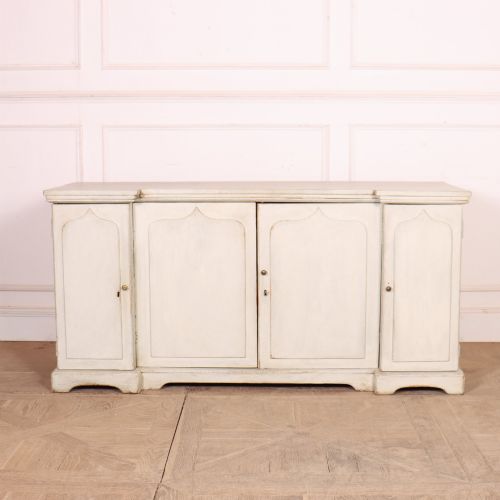
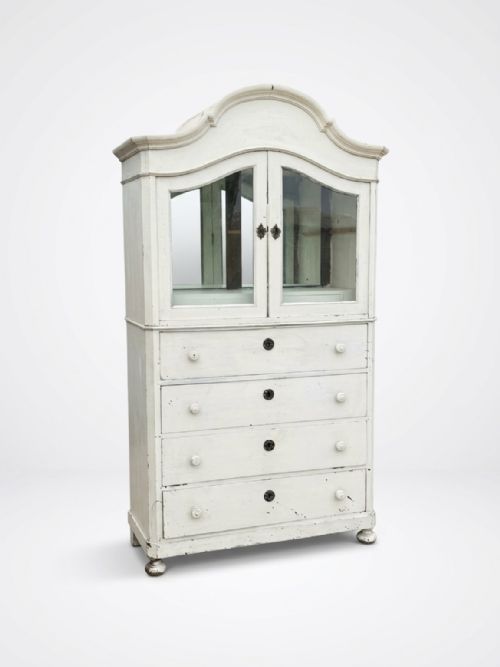
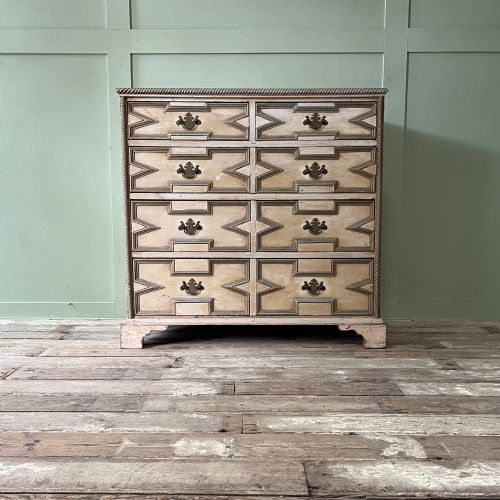
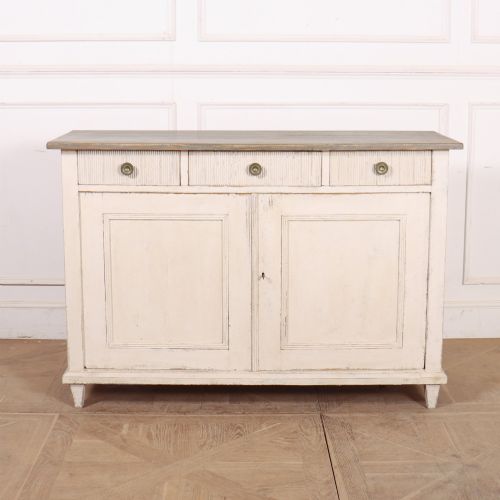
A white painted dresser brings a bright, weathered character to a room, offering practical storage through traditional timber construction.
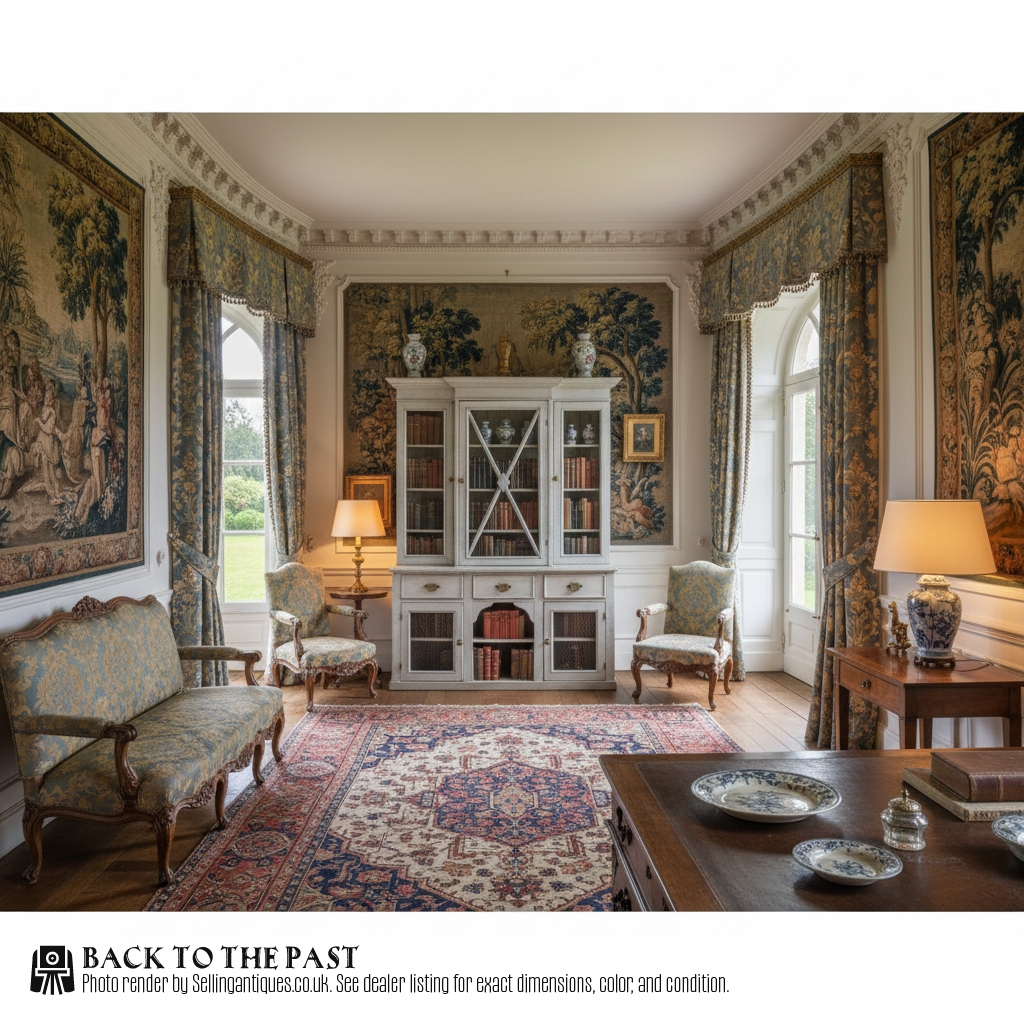
White Painted Dresser
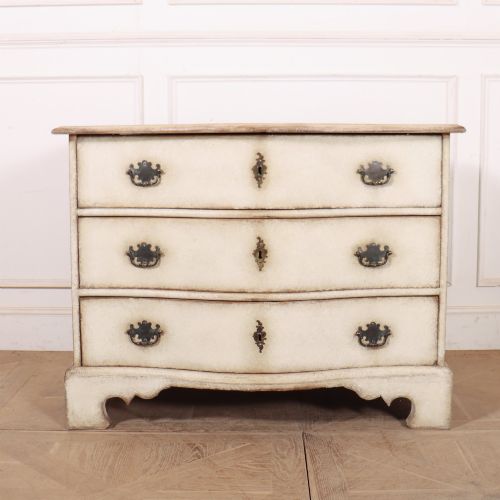
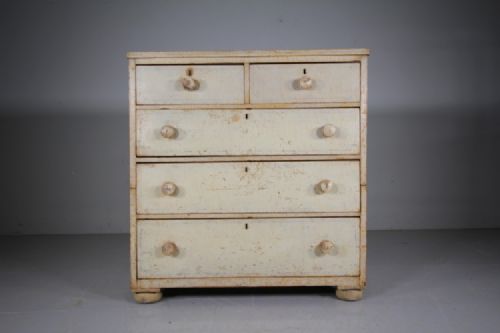
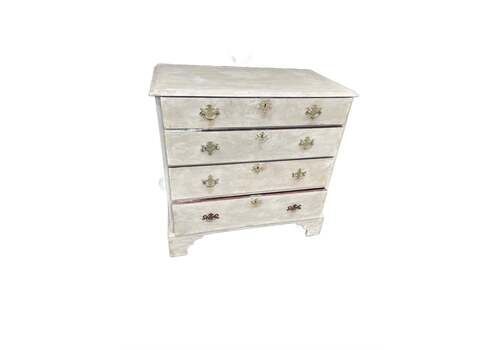
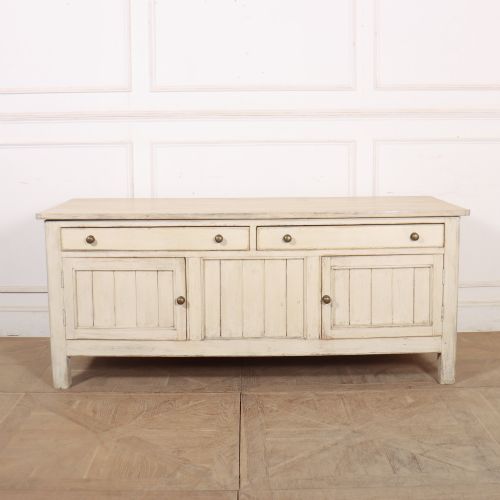
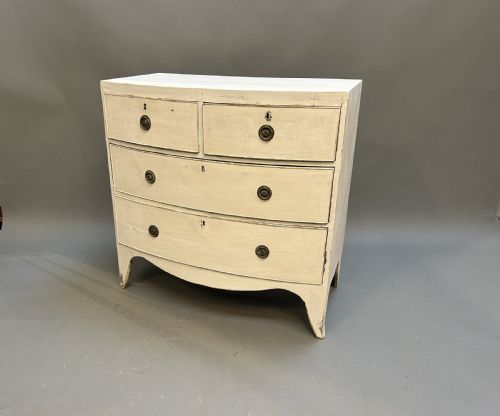
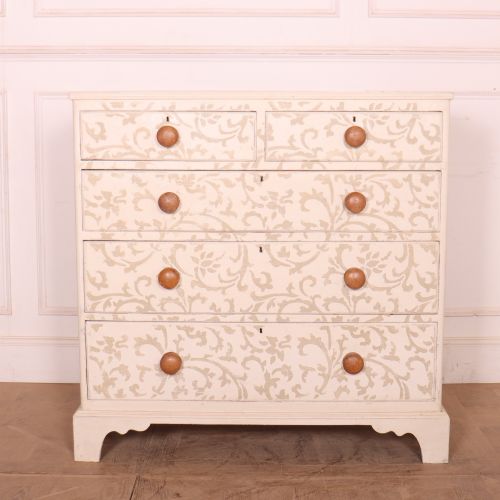
When searching for a white painted dresser, collectors encounter a diverse group of storage furniture spanning the eighteenth, nineteenth, and early twentieth centuries. These pieces encompass English country dresser bases, French provincial commodes, and Scandinavian country cabinets, reflecting regional vernacular styles across Europe.
Continental pieces from Sweden, France, and Denmark appear frequently alongside English country examples. Buyers often meet functional storage forms that combine lower drawer banks with upper display shelving or enclosed cabinets.
Assessing quality and craftsmanship
The distinction between standard utility furniture and superior examples lies in the crispness of the original carving, the proportion of the mouldings, and the harmony of the timber proportions. Finer pieces demonstrate careful attention to dovetail joinery within the drawer construction and balanced symmetry across serpentine or breakfront facades.
The integrity of the painted surface significantly influences the standing of a piece, with layered historic finishes retaining more character than uniform modern overpainting. Original hardware, well-fitted doors, and unwarped pine boards further separate regional vernacular items of high craftsmanship from plain utilitarian storage.
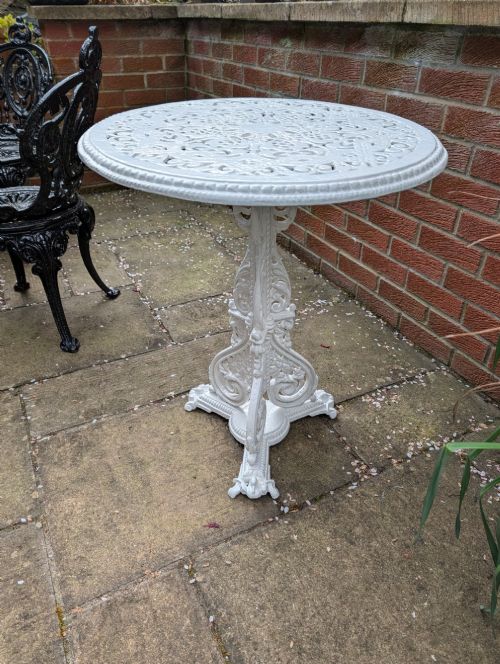
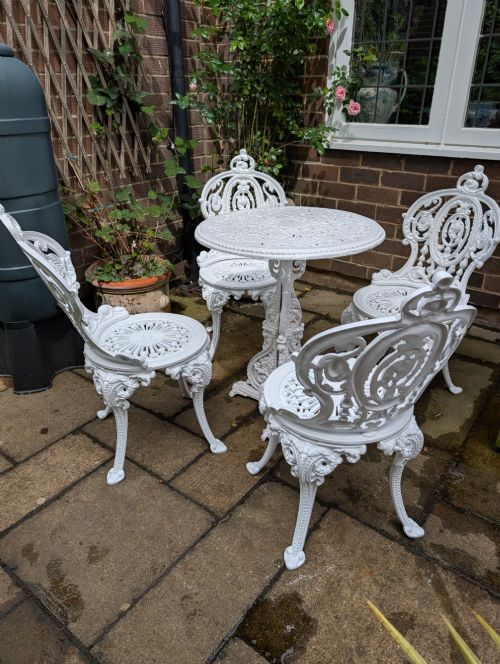
Even garden furniture occasionally borrows domestic designer names from the nineteenth century.
Sir Clough Williams-Ellis·Edwards and Roberts·Christopher Dresser
The White Painted Dresser Glossary
- Serpentine commode
- A chest of drawers or cabinet featuring a gently undulating front profile with a convex centre flanked by concave curves. This contour requires precise carpentry and appears frequently on eighteenth and nineteenth-century continental pieces.
- Dresser base
- The lower portion of a traditional kitchen dresser comprising cupboards and drawers without the plate rack superstructure. These sturdy low sideboards served domestic food preparation and storage functions in country houses.
- Potboard dresser
- A traditional dresser design featuring an open slatted lower shelf positioned just above the floor. Historically, this platform held earthenware pots and heavy kitchen utensils.
- Bonnet top
- An arched or scroll-shaped pediment surmounting the top of a tall cabinet or bookcase. This architectural headpiece softens the upper silhouette of upright storage furniture.
- Gustavian
- A Swedish neoclassical design movement spanning the late eighteenth and early nineteenth centuries. It is characterised by restrained carved ornamentation, fluted columns, and pale painted finishes.
White Painted Dresser: Frequently Asked Questions
How do I style a white painted dresser?
Pair the neutral painted finish with natural textures such as bare wood floors, woven baskets, and stoneware ceramics. These pieces anchor a dining room or kitchen while offering generous concealed storage.
Allow the aged patina of the paint to complement existing interior colours without trying to make the surface look overly uniform or freshly manufactured.
What rooms suit a dresser base?
Kitchens and dining rooms provide the most traditional context for a dresser base, where they hold tableware and linens. They also function well in hallways or living spaces as sideboards for media and display items.
The low profile keeps sightlines open while providing a useful surface top for lamps and decorative objects.
How do I identify a 19th-century pine piece?
Examine the drawer construction for hand-cut dovetails and inspect the interior boards for tool marks left by early saws. Nineteenth-century pine often displays a dense grain pattern and a deeper honey tone beneath older layers of white paint.
Machine-cut screws and modern plywood backing boards indicate later twentieth-century manufacturing rather than Victorian country work.
Are painted commodes strictly French?
While French provincial and serpentine commodes appear regularly, painted storage furniture spans many European regions including Sweden, Denmark, Germany, and England. Swedish and Danish examples often favour bright white or pale grey Gustavian palettes.
Regional differences emerge in the cornice mouldings, foot styles, and the specific curvature of the drawer fronts.