


White Marble Portrait
White marble portrait sculptures capture likenesses in stone, bringing classical presence and historical depth directly into interior spaces.
White Marble Portrait
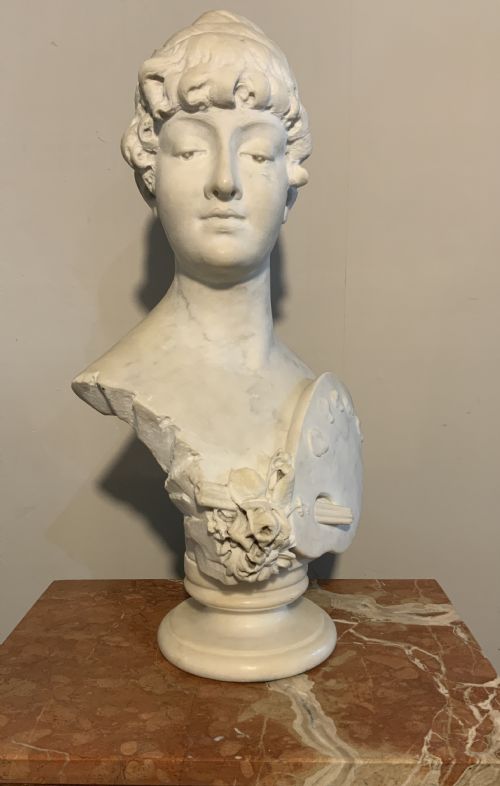
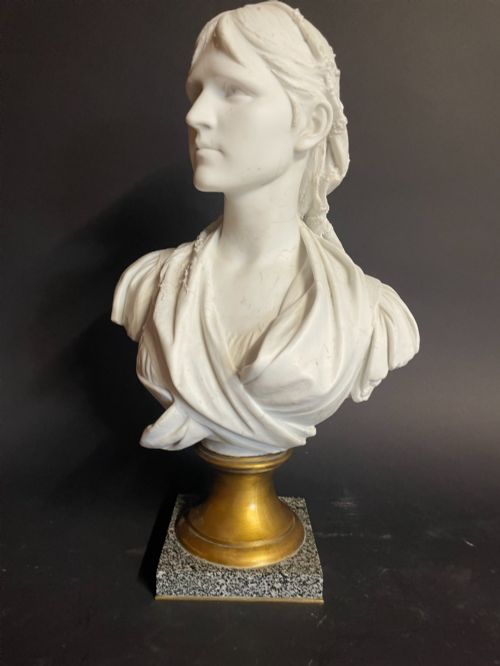
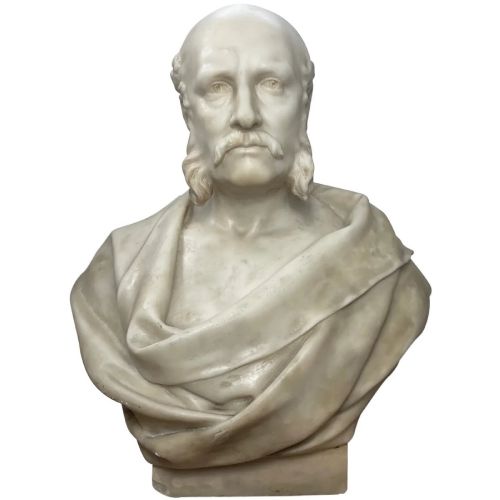
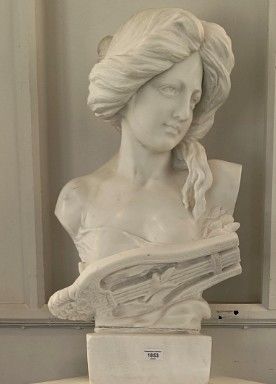
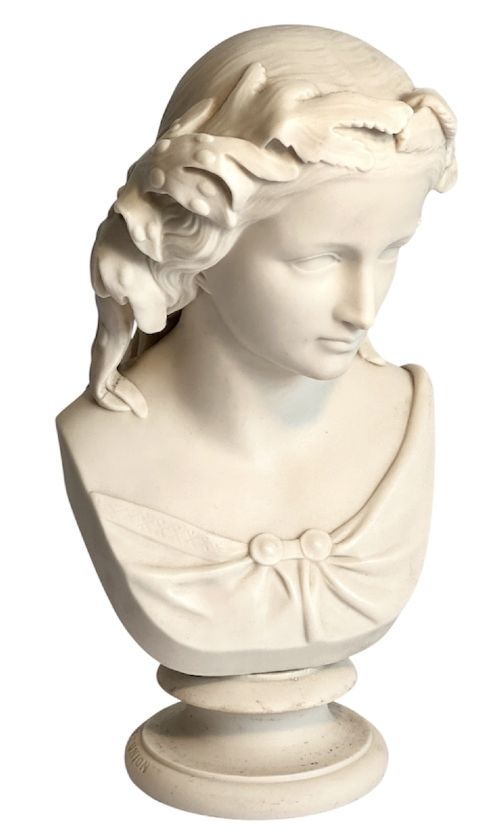
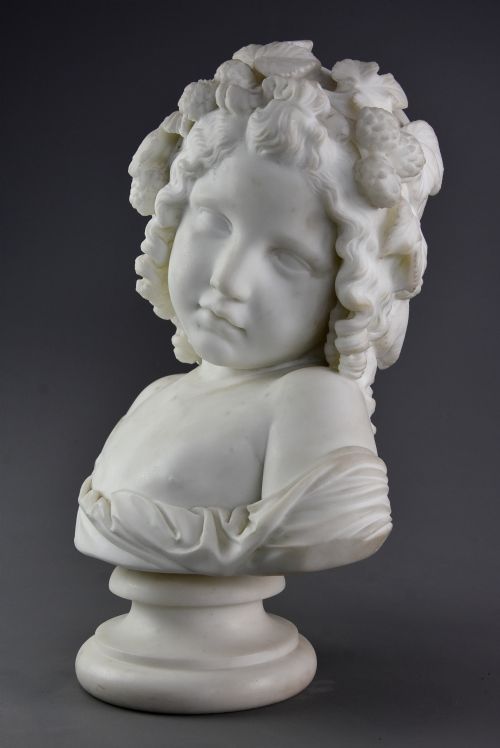
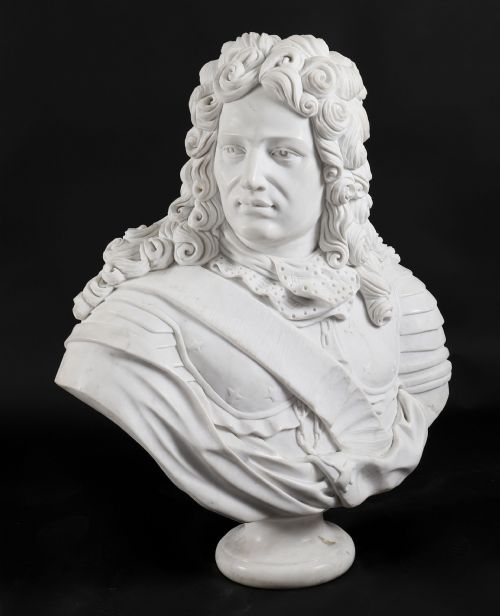
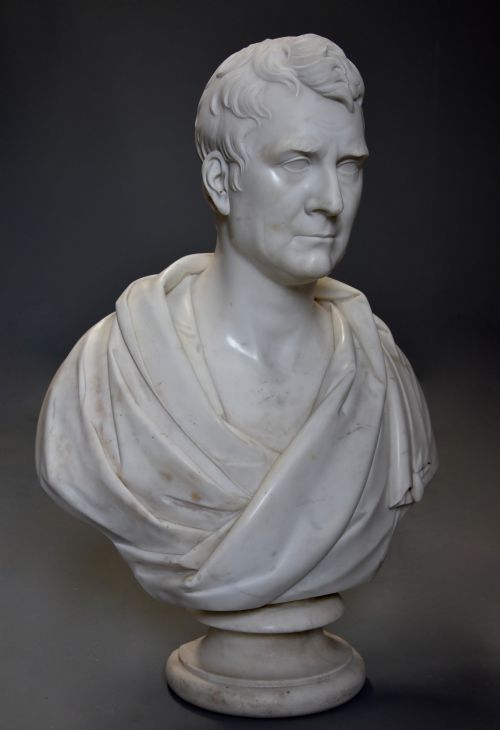
A white marble portrait presents a carved likeness of an individual, often taking the form of a bust, head, or profile plaque. These pieces represent historical figures, mythological subjects, literary characters, and anonymous sitters rendered in solid stone.
The versions most commonly met on this page date from the nineteenth century, reflecting periods such as the Victorian era and Neoclassical styles. They frequently originate from Italian workshops, alongside English and French examples.
Makers fashioned these sculptures to honour statesmen, poets, emperors, and local nobility, as well as capturing idealized youths and female subjects. They function as both commemorative objects and classical decorative elements for libraries and halls.
How they were made
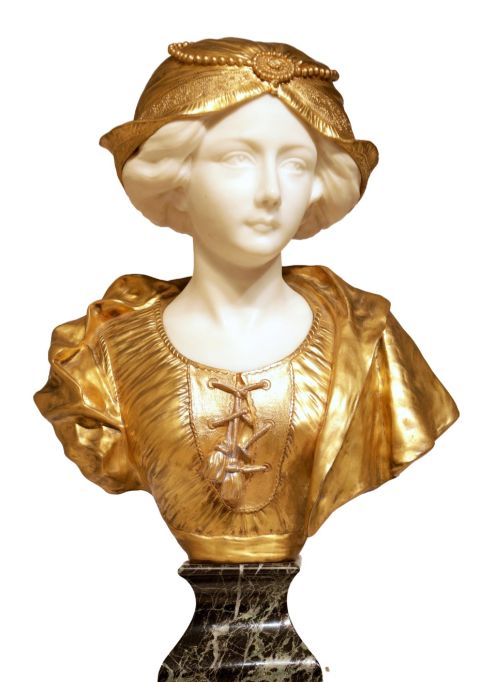
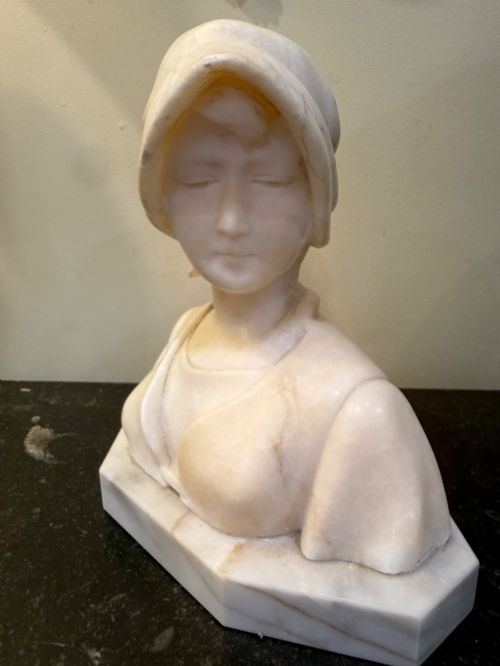
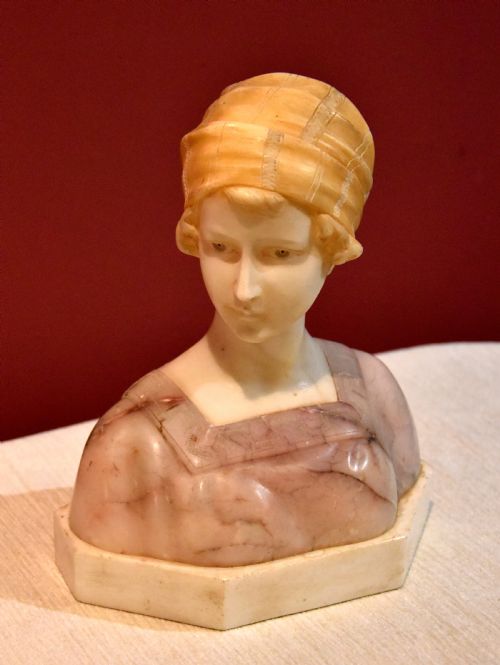
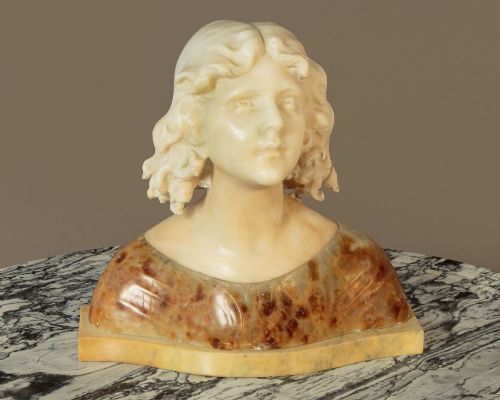
Sculptors carved these works predominantly from Carrara marble, alabaster, and various stone types, sometimes mounting them on contrasting bases made from materials like Vert de Mer marble or brass. Alabaster offers a softer, translucent quality utilised for delicate female busts.
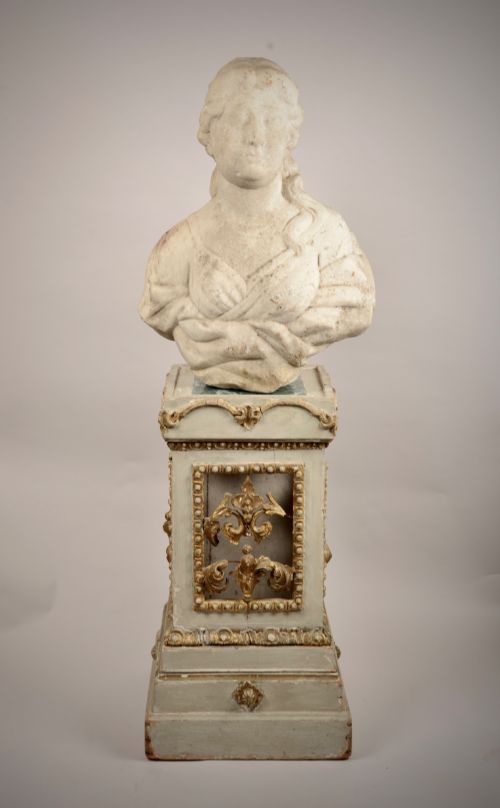
Makers employed traditional chisel and drill techniques, often finishing surfaces through smoothing and polishing to imitate human skin or textile folds. Certain pieces incorporate mixed materials, combining white stone with gilt bronze or supporting pedestals.
Several Roman emperors and nineteenth-century members of parliament share shelf space here with anonymous Dutch girls and Greek muses.
What varies in quality
The standard of carving distinguishes the finest works, particularly in the rendering of facial expressions, hair texture, and drapery folds. Master carvers capture subtle anatomical truths and lifelike depth that lesser hands miss.
Provenance and signatures also elevate a piece, as works bearing the mark of recorded sculptors or established workshops demonstrate superior design and execution. The choice of high-grade stone without distracting natural inclusions further defines the upper tier of these portraits.
Affortunato Gory·Auguste Henri Carli·John Wenlock Rollins·Kasper Hendrik Roskam·Mieczyslaw Leon Zawiejski
The White Marble Portrait Glossary
- Bust
- A sculpted representation of a person's head, shoulders, and upper chest. This form remains the predominant format for marble portraiture in the listings.
- Carrara marble
- A type of white or blue-grey marble quarried in the city of Carrara in Tuscany. Sculptors prized this material for its fine grain and consistent texture.
- Alabaster
- A fine-grained stone that is soft and often translucent, used widely for nineteenth-century portrait busts. It permits a delicate carving style distinct from harder marbles.
- Neoclassical
- An artistic style inspired by the classical art and culture of ancient Greece and Rome. It heavily influences the proportions and subject matter of many nineteenth-century portraits.
- Relief sculpture
- A sculptural technique where the sculpted elements remain attached to a solid background of the same material. Profile plaques frequently utilise this method.
White Marble Portrait: Frequently Asked Questions
What periods do these marble portraits come from?
The pieces span from the seventeenth century through to the twentieth century, with a heavy concentration originating in the nineteenth century during the Neoclassical and Victorian periods.
Earlier examples from the seventeenth and eighteenth centuries appear alongside later revival works produced around nineteen-hundred.
How should I display a marble bust at home?
These sculptures require a stable, sturdy surface such as a heavy console table, pedestal, or library bookshelf capable of supporting significant stone weight.
Positioning them away from direct sunlight and sudden temperature changes helps preserve the polished surface of the marble or alabaster.
Who are the subjects depicted in these sculptures?
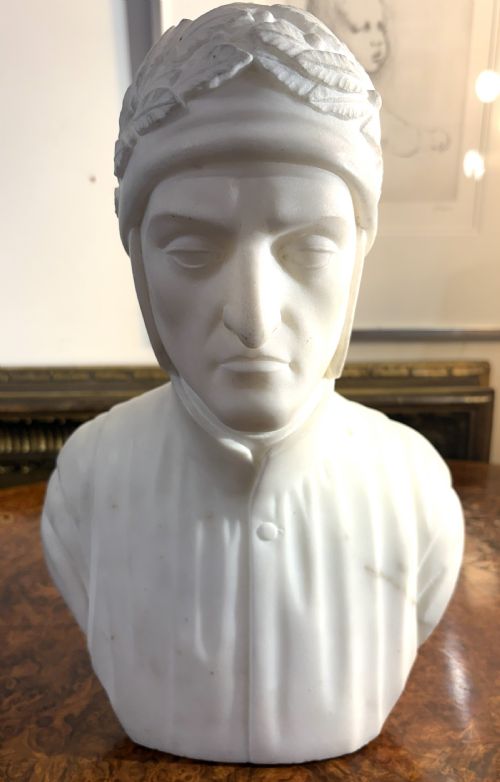
The subjects range from recognised historical figures, Roman emperors, and literary icons like Dante and Virgil to politicians, noblemen, and anonymous young women.
Mythological figures and muses from classical stories also appear frequently among the carved portraits.
What is the difference between marble and alabaster sculptures?
Marble is a hard, metamorphic rock that takes a high polish and withstands outdoor wear, whereas alabaster is a softer, gypsum-based stone with a characteristic translucent quality.
Alabaster is more easily scratched and is best kept strictly indoors away from moisture.