


Victorian Gentleman Sculpture
A victorian gentleman sculpture captures the dignity and intellect of an era through portrait busts and plaques in bronze, marble, and plaster.
Victorian Gentleman Sculpture
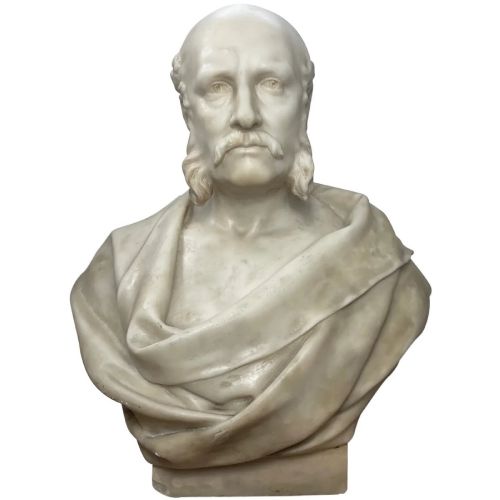
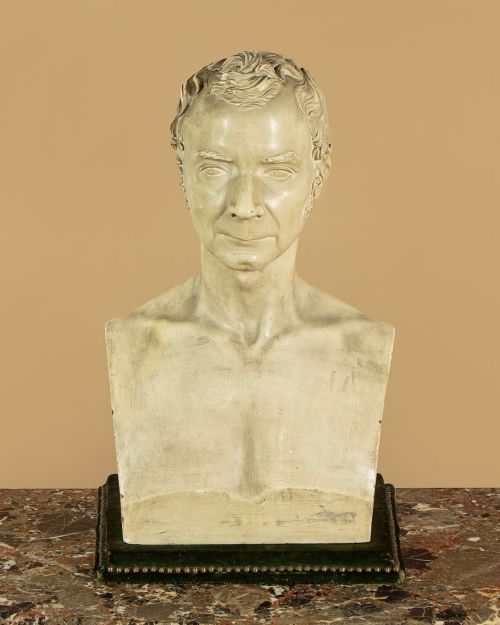
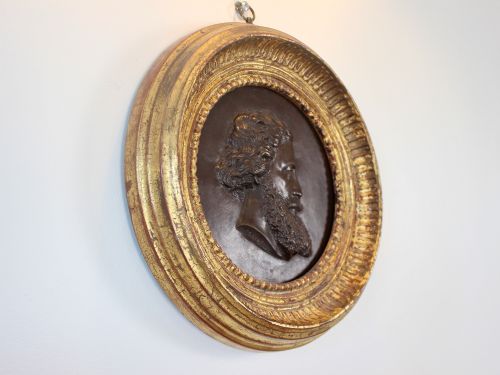
A victorian gentleman sculpture encompasses portrait busts, wall plaques, and figures originating from the nineteenth century. These works depict notable historical figures, naval gentlemen, medieval subjects, and anonymous sitters with distinct character.
The most common examples on this page are marble and bronze portrait busts dating from the Victorian period. They range from monumental civic pieces to intimate cabinet studies.
Originating across the nineteenth century, these sculptures reflect the period's fascination with portraiture and individual legacy. Makers utilised classical, Gothic Revival, and Orientalist styles to frame their subjects.
Materials and Construction
Foundries cast other pieces in bronze, sometimes applying pigment or mounting them on giltwood and brass elements. Bronze allowed for the fluid rendering of beards, robes, and expressive facial contours.
Listings feature 19th-century works in bronze, white marble, veined marble, and plaster.
Judging Quality and Execution
Quality rests in the precision of the carving and the fidelity of the casting. Finer marble busts display subtle modulation in flesh and fabric, whereas simpler plaster pieces rely on surface texture and weight.
The presence of a known sculptor or a signed signature elevates a bronze plaque or marble bust. Works attributed to named artists exhibit superior anatomical understanding and characterisation.
MAINFROY·John Wenlock Rollins·Sir Thomas BROCK R A
The Victorian Gentleman Sculpture Glossary
- Portrait Bust
- A sculpted representation of a person from the chest up. This format focuses attention on the facial expression and character of the sitter.
- Bronze
- An alloy of copper and tin used for casting metal sculptures. It permits intricate detail and patination over time.
- Plaster
- A composition material used for casting sculptures. Simulated stone plaster replicates the heavier appearance of carved material at a different scale.
- Veined Marble
- A natural metamorphic rock showing distinct mineral lines through the stone. Sculptors utilised this material to add visual depth to pedestals and drapery.
- Giltwood
- Wood treated with gold leaf or gilding powder. It frequently appears as a decorative accent on bases and mounts.
Victorian Gentleman Sculpture: Frequently Asked Questions
What materials were used for these sculptures?
Makers worked primarily in bronze, white marble, veined marble, and plaster. Some pieces incorporate brass or giltwood components.
These materials dictated the final weight and finish of each portrait bust or plaque.
How do I identify a nineteenth-century bust?
Look at the hairstyle, facial hair, and clothing style of the sitter, which typically reflect Victorian fashion. Inscribed dates or signatures also help establish the era.
Sculptures from this period often adhere to classical, Gothic Revival, or Orientalist aesthetic traditions.
Where should I display a heavy marble bust?
Marble and bronze sculptures require a sturdy, weight-bearing surface such as a strong console table, pedestal, or desk. Ensure the placement is stable given the substantial weight of stone.
Keep pieces away from direct heat sources to protect any applied pigments or wooden mounts.
What is the difference between a bust and a plaque?
A bust is a three-dimensional sculpture showing the head, shoulders, and upper chest of a subject. A plaque is a relief work designed to be mounted flat against a wall.
Both forms served as popular methods for commemorating gentlemen during the nineteenth century.