





Classic Marble Sculpture
These classic marble sculpture pieces bring carved weight and classical form straight into a room.
Classic Marble Sculpture
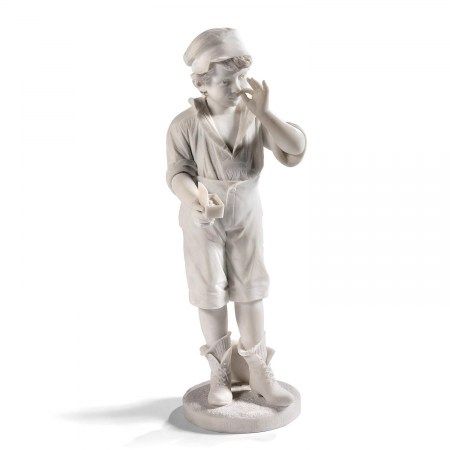
When searching for classic marble sculpture, a buyer encounters carved stone figures, portrait busts, and Grand Tour models that span the nineteenth and early twentieth centuries. These works include Italian realism pieces, classical lion models, and allegorical figures mounted on stone or plinth bases.
The most common examples on this page date from the nineteenth century and the early decades of the twentieth century, reflecting Victorian, Neoclassical, and Art Deco aesthetics. Portrait busts of gentlemen and historical figures appear alongside reclining nudes and mythological subjects.
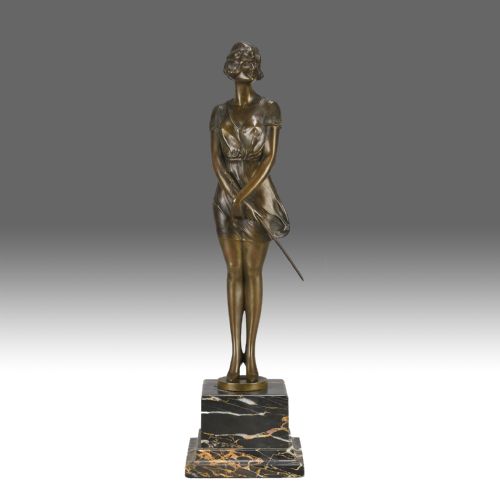
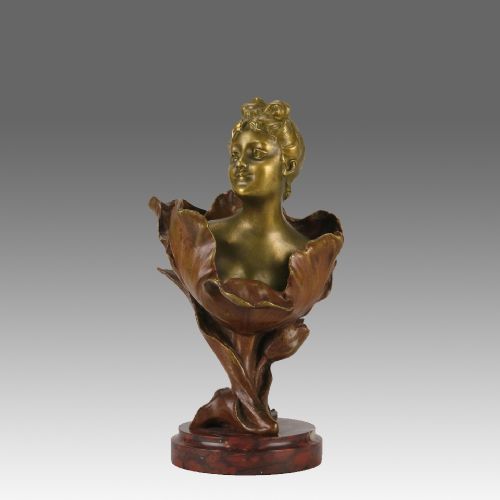
Makers and sculptors such as Ferdinando Vichi and Bruno Zach are represented through signed marble, alabaster, and bronze studies. Buyers also find mixed-media pieces combining marble with patinated metal, gilt bronze, and alabaster.
How they were made
Carved marble and alabaster form the primary sculptural mediums, shaped by hand using chisels and rasps to achieve smooth flesh and detailed drapery. Many portrait busts and figures are paired with contrasting bases made of black marble or simulated giallo antico wood.
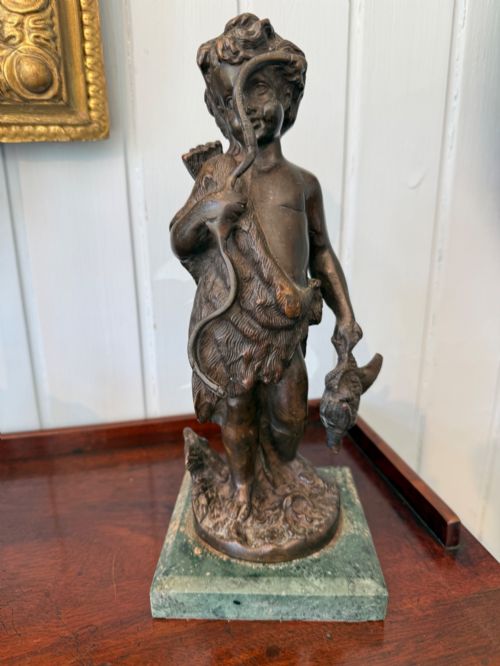
Bronze, gilt bronze, and cast patinated metal elements are frequently integrated with stone elements, seen in figures like the whip girl or cherub studies. These metal components involve traditional foundry casting techniques, chased and finished by hand.
Listings feature works created across several distinct periods, including the Victorian era, the Belle Epoque, and the Art Deco movement.
What varies in quality
The choice of materials also dictates the calibre of the piece, from simple carved alabaster to signed works by known sculptors utilising high-grade marble combined with gilt bronze or patinated metal.
Bruno Zach·Henri Godet·Ferdinand Preiss·Louis Lejeune·Ferdinando Vichi·Cipriani
The Classic Marble Sculpture Glossary
- Grand Tour
- Souvenirs and miniature models of famous antiquities purchased by travellers during nineteenth-century European journeys.
- Alabaster
- A fine-grained, softer stone often used for nineteenth-century portrait busts and reclining figures.
- Patinated metal
- Metal treated with chemicals to produce a specific surface colour and finish.
- Neoclassical
- A style drawing inspiration from the classical art and culture of ancient Greece and Rome.
- Portrait bust
- A sculpted representation of a person's head, neck, and upper shoulders, commonly carved from marble.
Classic Marble Sculpture: Frequently Asked Questions
How do I clean marble sculpture?
Dust the surface regularly with a soft, dry cloth to prevent the accumulation of dirt within the carved crevices.
Avoid using water, harsh detergents, or chemical cleaners, as these can damage the natural stone and any patinated metal finishes.
Where should I place these sculptures?
Display them on sturdy tables, dedicated columns, or heavy mantelpieces where their weight is securely supported.
Keep the pieces away from direct sunlight and extreme temperature fluctuations to protect the integrity of the marble and alabaster.
How do I identify the period?
Examine the clothing, hairstyle, and facial expression of the subject, which often reflect Victorian, Art Deco, or Neoclassical tastes.
Look for signatures, foundry marks, or material combinations characteristic of nineteenth and early twentieth-century production.
What is the difference between marble and alabaster?
Marble is a hard metamorphic rock capable of a high polish and durable exterior detail.
Alabaster is a softer, translucent stone that allows light to penetrate slightly beneath the surface.