


White Stone Portrait
White stone portrait pieces capture likenesses in carved marble and alabaster, offering lasting form to historic figures, literary heroes and classical muses.
White Stone Portrait
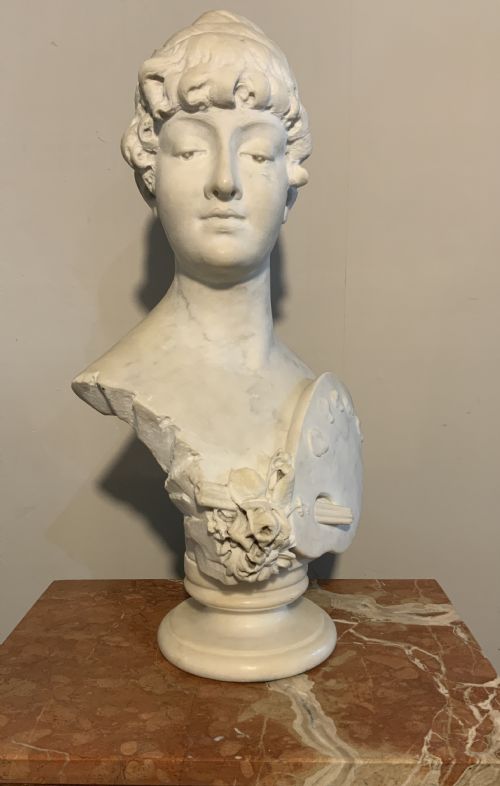
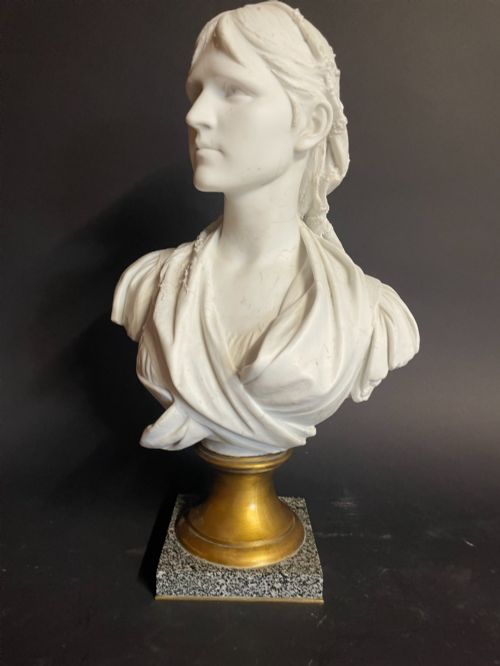
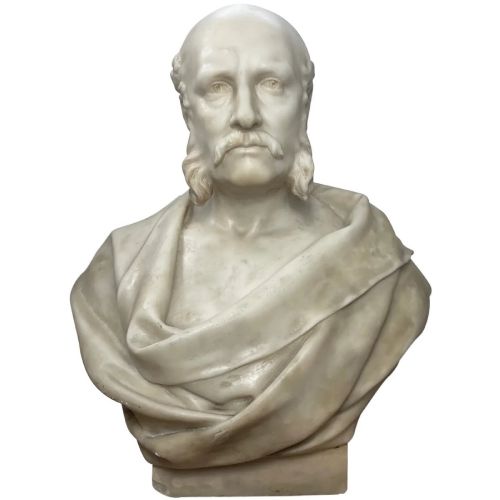
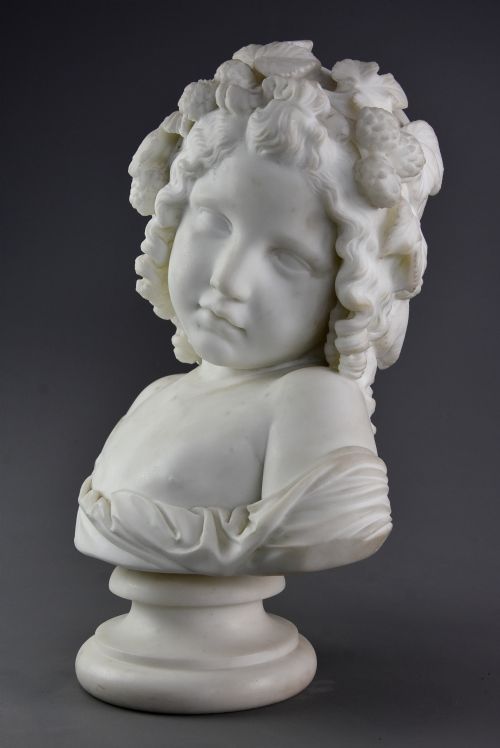
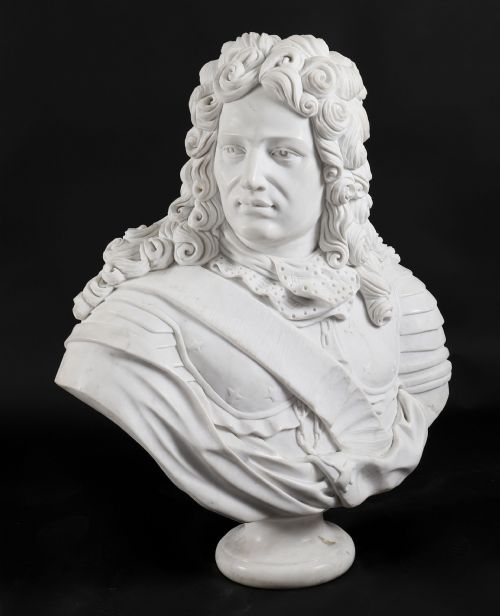
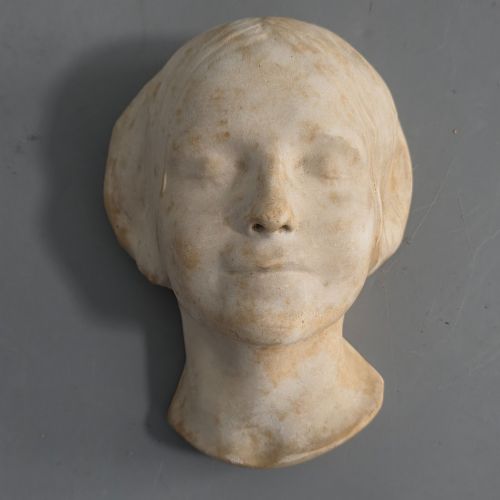
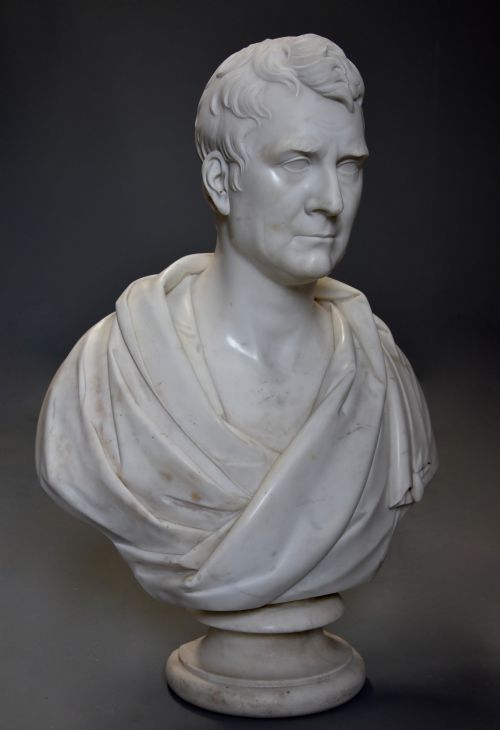
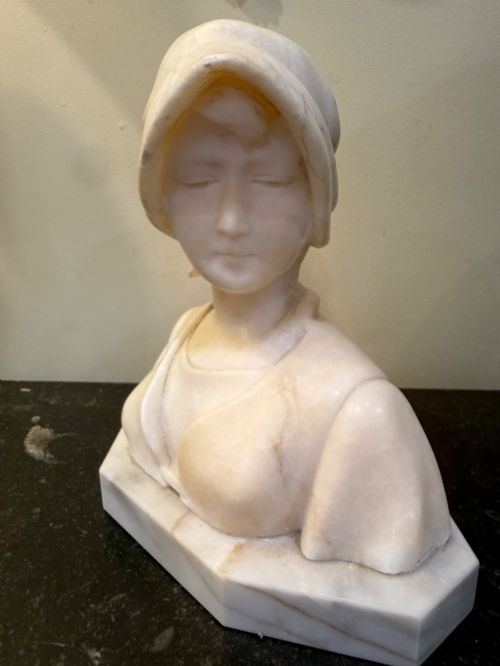
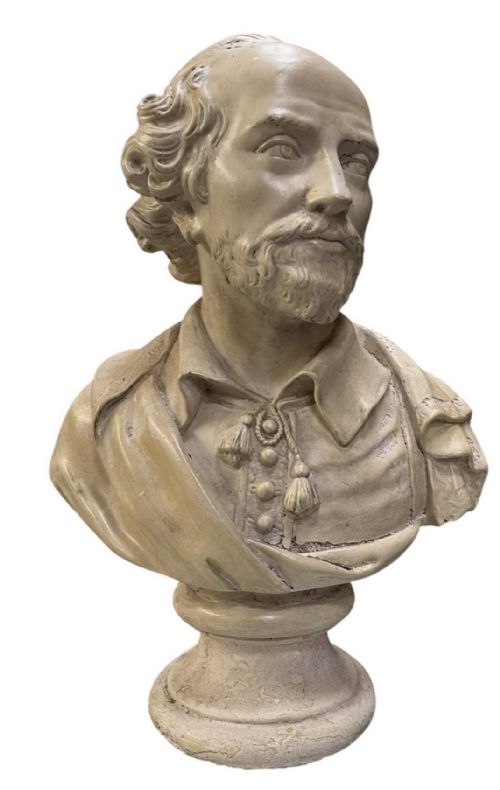
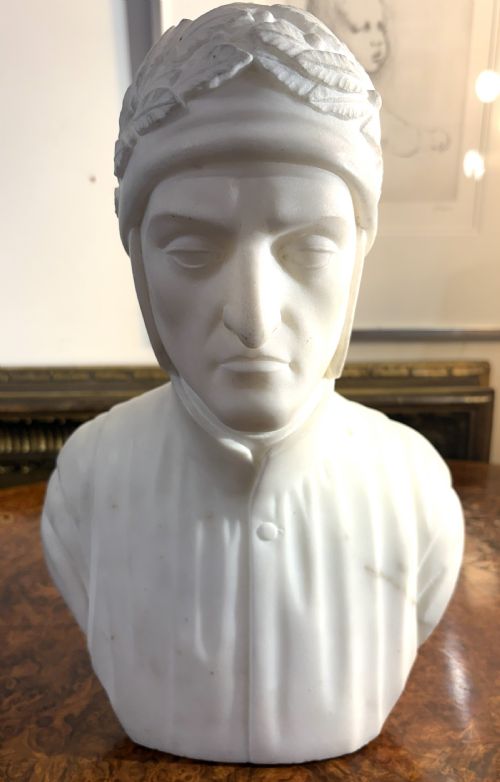
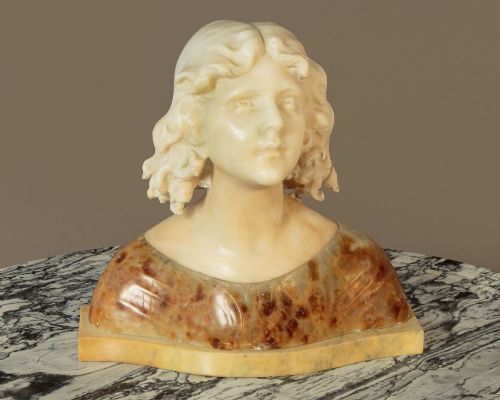
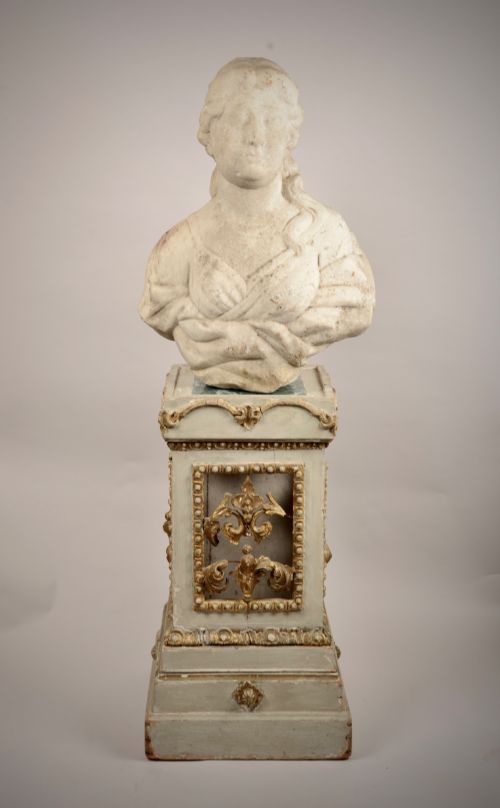
A white stone portrait typically takes the shape of a carved marble or alabaster bust, plaque, or relief sculpture depicting a specific person from history, mythology, or literature. Collectors encounter depictions of Roman emperors, Greek muses, nobility, literary figures like Dante and Shakespeare, and contemporary nineteenth-century sitters.
The objects span multiple centuries, with nineteenth-century Italian and Victorian examples forming a large portion of the available pieces. Works range from monumental civic portrayals to smaller library busts designed for domestic display.
Creators drew on classical revival, neoclassical, and baroque styles, translating historical iconography into solid mineral forms that served as both personal memorials and interior ornaments.
Materials and Technique
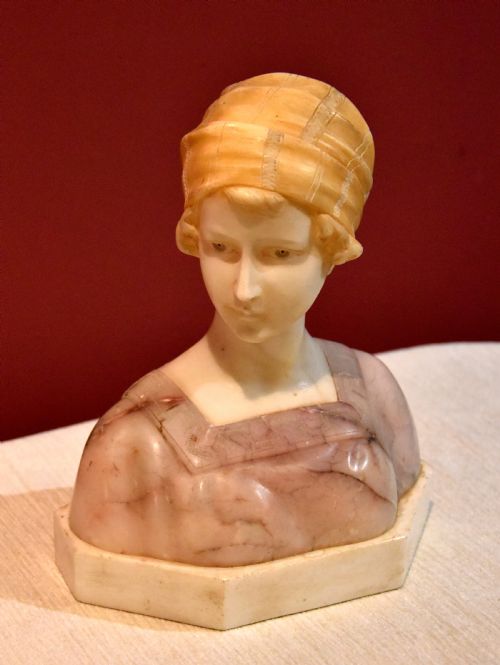
Carvers shaped these portraits primarily from Carrara marble, white marble, and alabaster using traditional masonry and chisel techniques. Some pieces incorporate mixed stone types or mount the sculpted head on brass elements.
Artisans worked blocks of stone to create three-dimensional forms, smoothing surfaces to suggest skin texture while rendering drapery, hair, and armour with fine incisions. Signatures and dates carved directly into the material record the hand of the sculptor or workshop.
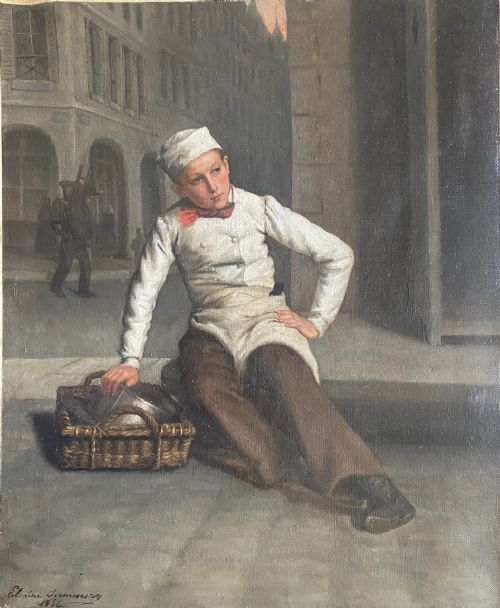
Sculptors sometimes immortalised everyday apprentices alongside Roman emperors and Greek muses in solid stone.
Sculptural Execution
The depth of carving and anatomical precision separate standard studio pieces from masterworks. Superior examples capture subtle expressions, realistic musculature, and delicate folds in drapery without losing the integrity of the stone.
The choice of material influences the overall visual impact, with pure white Carrara marble and fine-grained alabaster offering smoother surfaces and more nuanced light reflection than coarser stone variants.
Raffaelo Monti·Auguste Henri Carli·John Wenlock Rollins·Mieczyslaw Leon Zawiejski·Kasper Hendrik Roskam
The White Stone Portrait Glossary
- Carrara Marble
- A white or blue-grey marble quarried in the city of Carrara in Tuscany. Sculptors prized this material for its fine grain and consistent texture.
- Alabaster
- A fine-grained, translucent stone often used for interior sculptural works. It permits a soft play of light across the carved surface.
- Relief Sculpture
- Carving where the figures project from a flat background. Such works were often mounted as wall plaques or integrated into architectural settings.
- Neoclassical
- An artistic style drawing inspiration from the classical art and culture of ancient Greece and Rome. This aesthetic governed many nineteenth-century portrait subjects.
White Stone Portrait: Frequently Asked Questions
Where were white stone portrait busts displayed?
These sculptures historically stood in libraries, hallways, and drawing rooms of grand houses and civic buildings. Owners placed them on pedestals, desks, or mantelpieces to signal intellectual or classical tastes.
In modern interiors, they continue to function as focal points on bookcases and console tables, anchoring a room with traditional form and historic presence.
How do I care for marble and alabaster?
Maintenance requires only gentle dusting with a soft, dry cloth to prevent particulate buildup on carved surfaces. Water and chemical cleaning agents can damage porous stone, particularly softer alabaster.
Placement should avoid direct sunlight and fluctuating temperatures to protect the structural integrity of the mineral over time.
How can I identify the subject of a portrait?
Many sculptures include carved inscriptions, signatures, or historical attributes such as laurel wreaths, armour, or specific period dress. Figures from mythology or classical history often carry recognizable visual symbols like a lyre for a muse.
When inscriptions are absent, stylistic clues and costume details help narrow down the historical era and identity of the sitter.
What is the difference between marble and alabaster?
Marble is a metamorphic rock formed from recrystallised carbonate minerals, offering high durability and a dense structure. Alabaster is a softer, gypsum-based stone known for its translucent quality.
Alabaster pieces generally allow light to penetrate slightly beneath the surface, whereas marble presents an opaque, solid appearance.