


Marble Statue Head
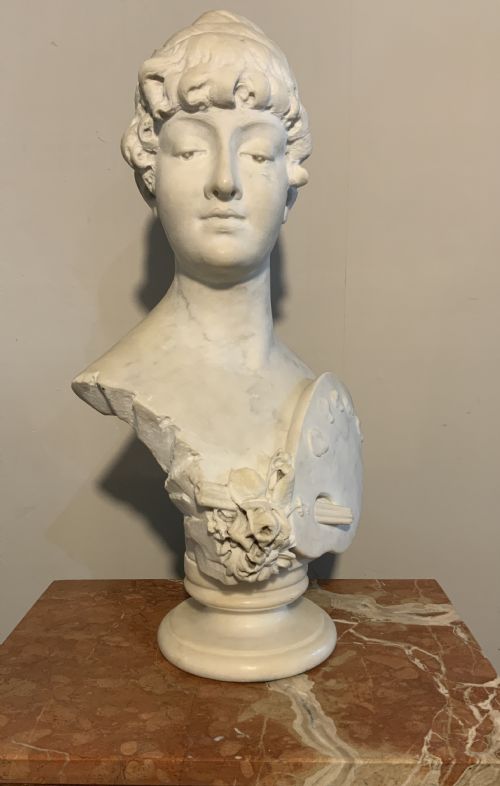
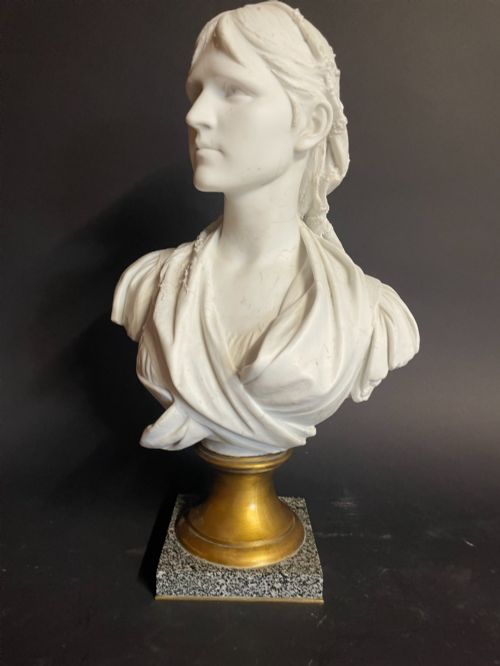
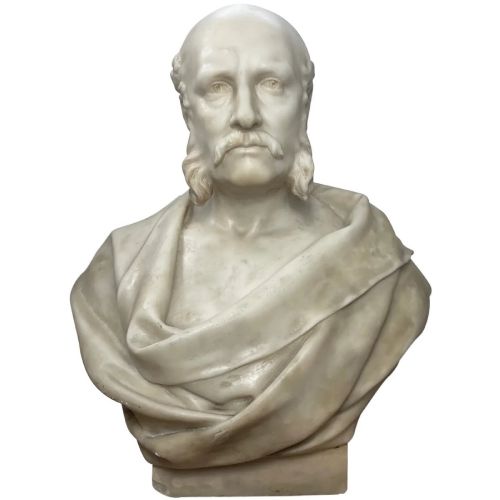
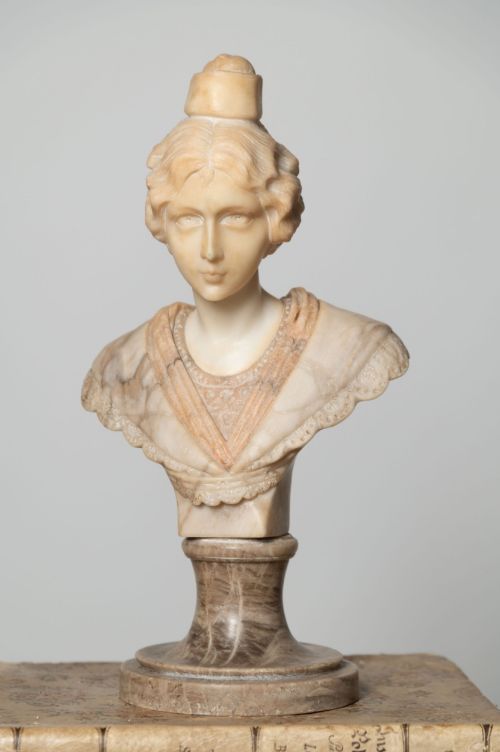
A marble statue head brings classical presence into a room, offering carved portraiture and mythological form from centuries past.
Marble Statue Head
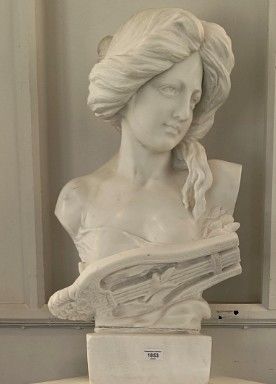
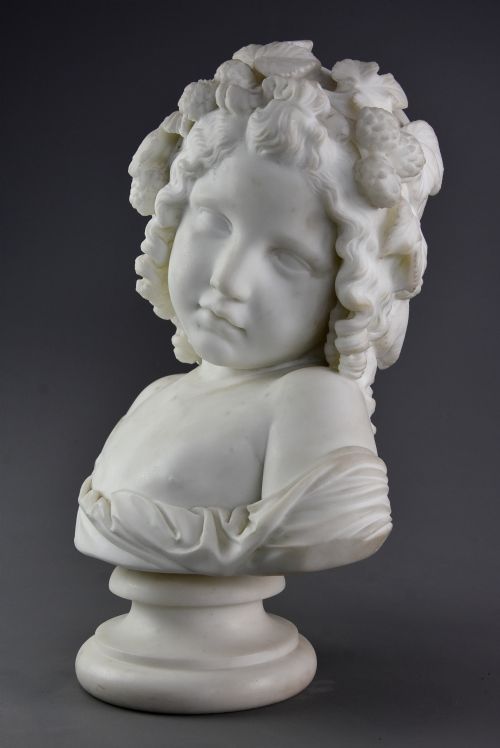
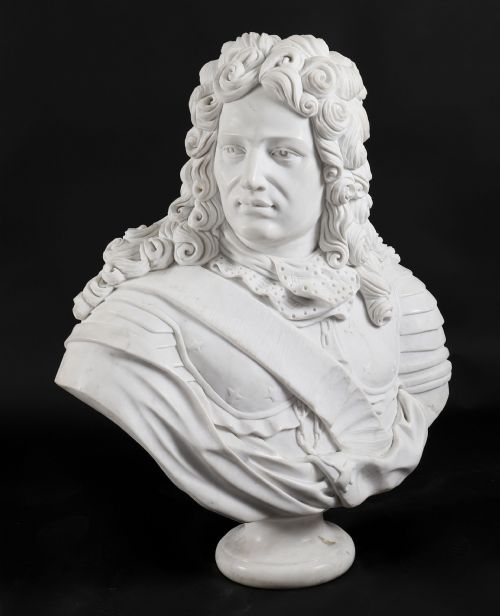
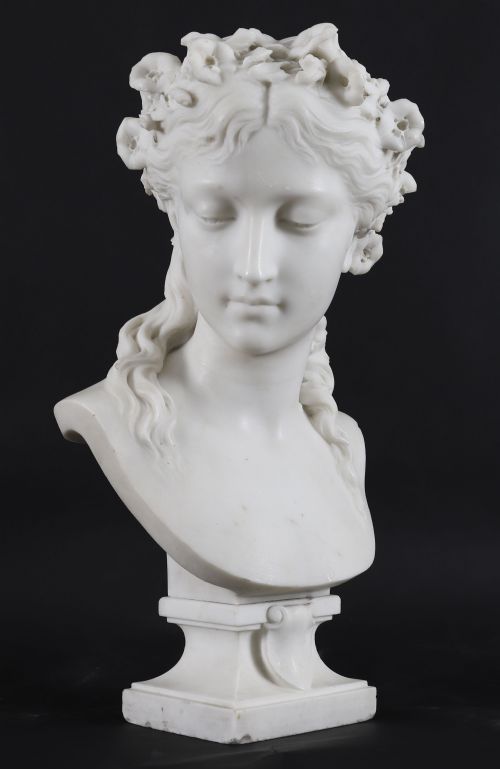
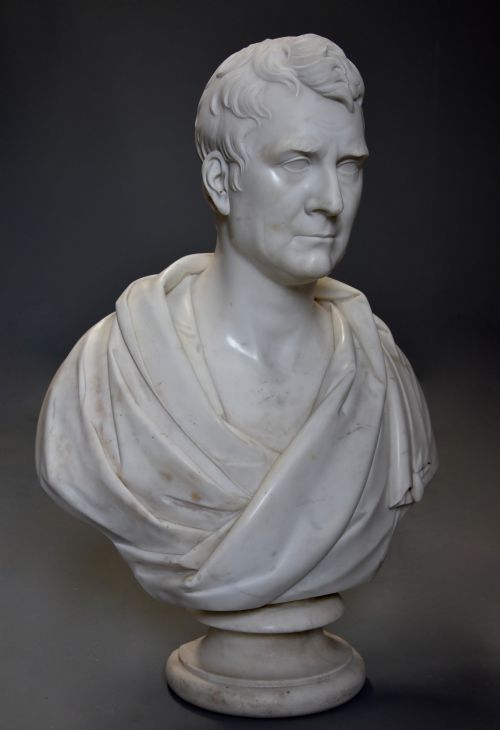
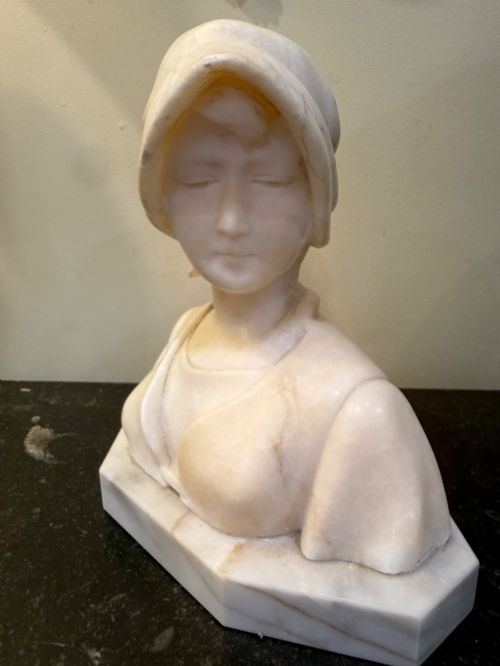
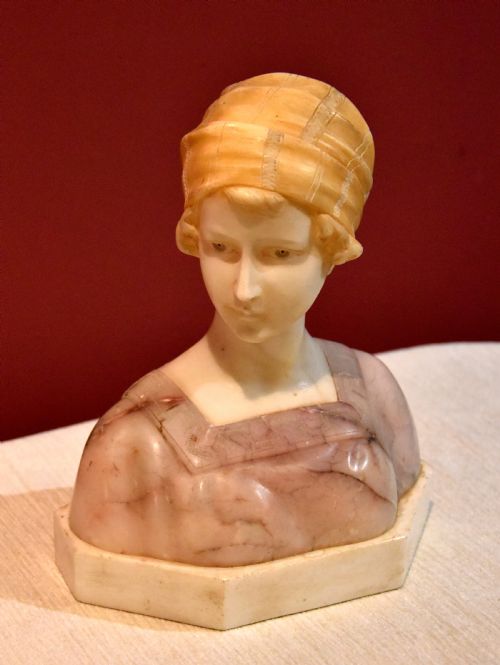
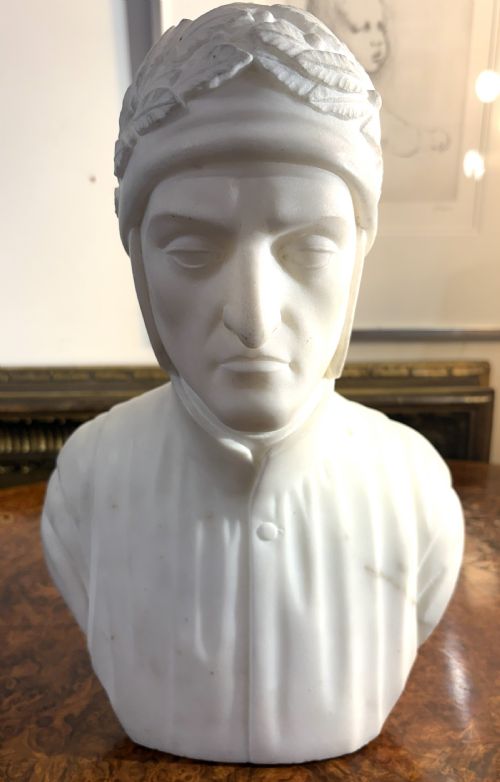
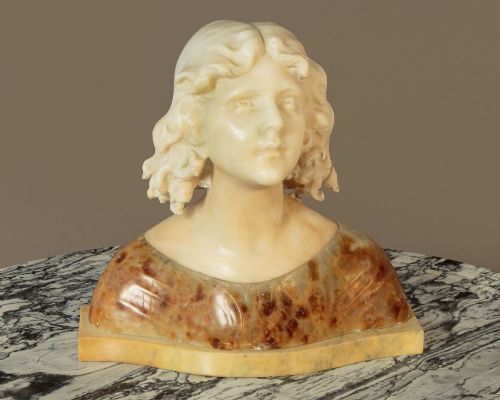
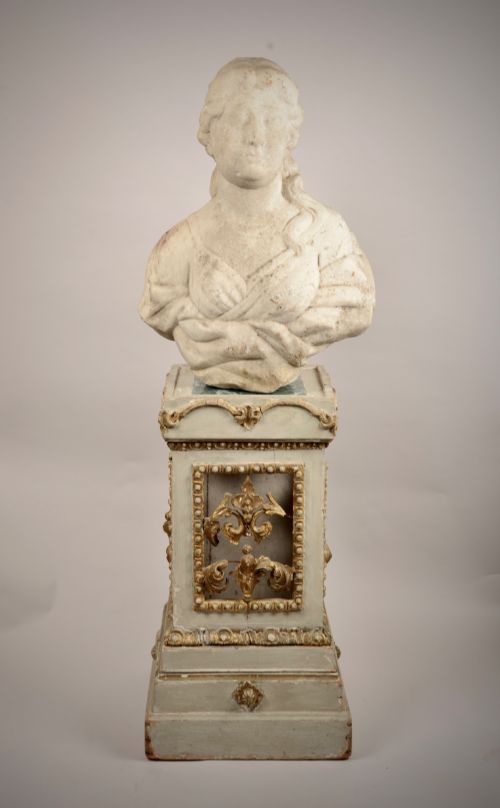
A marble statue head search presents carved portrait busts, historical figures, and mythological studies originating primarily from the nineteenth century. These sculptures take the form of women, noblemen, emperors, and poets rendered in solid stone.
Works span periods from the seventeenth century through the early twentieth century, incorporating Neoclassical, Victorian, and Art Nouveau interpretations. Grand Tour souvenirs and Italian workshop pieces form a substantial portion of the available sculptural forms.
How they were made
Carving utilises fine white stones such as Carrara marble and softer alabaster, shaped with chisels and polished to reveal the grain. Sculptors sometimes combined white marble with coloured varieties like Vert de Mer for distinct architectural bases.
Bronze casting forms another significant group, where metal is poured into moulds and patinated before mounting onto solid marble bases. Ormolu and brass details occasionally accent these mixed-media portrait studies.
Listings feature works spanning from the 17th century through the 1930s, executed in Carrara marble, alabaster, bronze, and ormolu.
What varies in quality
Execution of facial expression and drapery separates standard decorative carvings from masterworks by named sculptors. The treatment of hair, armour, and musculature dictates the depth of realism achieved in the stone.
Integrity of the material and the crispness of the original chisel work define the upper tier of sculpture. Signed pieces and those retaining documented provenance exhibit superior sculptural ambition.
Eugene Aizelin·Auguste Henri Carli·John Francis·John Wenlock Rollins·Emmanuel Villanis
The Marble Statue Head Glossary
- Carrara marble
- A type of white or blue-grey stone quarried in Tuscany, prized for its fine grain and traditional use in classical sculpture. It allows sculptors to achieve smooth skin textures and subtle facial details.
- Grand Tour
- A cultural journey undertaken by wealthy Europeans in the eighteenth and nineteenth centuries, collecting souvenirs such as bronze and marble busts. These items replicate classical antiquities found in Italian museums.
- Alabaster
- A soft mineral stone used for carving delicate portrait figures with translucent qualities. It requires careful handling due to its susceptibility to moisture.
- Ormolu
- Gilt bronze ornamentation applied to furniture and sculptural bases. The technique involves a mercury-gilding process that produces a bright gold finish on metal mounts.
- Patina
- The surface sheen and colour acquired by bronze and stone over time through oxidation and handling. It indicates age and distinguishes historic metalwork from modern reproductions.
Marble Statue Head: Frequently Asked Questions
How do I clean a marble bust?
Dust the surface regularly with a soft, dry microfibre cloth to prevent dirt accumulation in the carved details.
Avoid using water, soap, or chemical cleaners, as these substances penetrate porous stone and damage historic patinas.
Where should I display a heavy stone sculpture?
Place the piece on a sturdy, level surface capable of supporting considerable weight, such as a strong wooden pedestal or library table.
Keep the sculpture away from direct heat sources and sunlight to protect the stone and any mixed-media patinas from thermal stress.
What is a Grand Tour souvenir?
Grand Tour souvenirs are smaller-scale replicas of classical sculptures purchased by travellers visiting European cultural sites during the nineteenth century.
These pieces brought classical antiquity into private homes and libraries across Britain and Europe.
How do I identify the subject of a portrait bust?
Examine the base or rear of the sculpture for inscribed names, historical markers, or specific attributes such as armour, laurel wreaths, or civic robes.
Subject matter often references Roman emperors, Dante, Greek deities, or prominent nineteenth-century public figures.