






White Marble Figurine
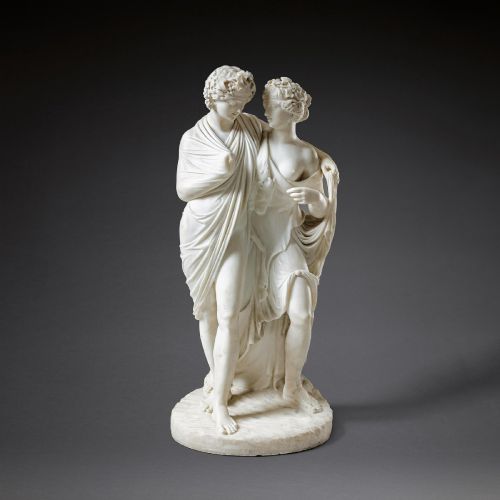
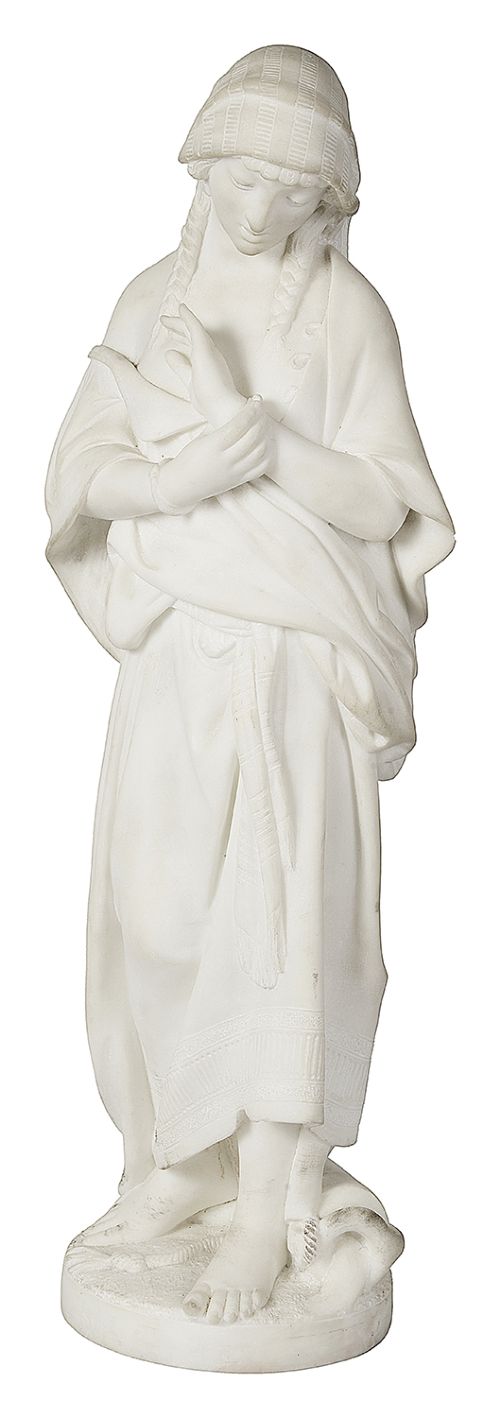
A white marble figurine captures classical form in enduring stone, bringing the sculptural grace of the nineteenth century into domestic interiors.
White Marble Figurine
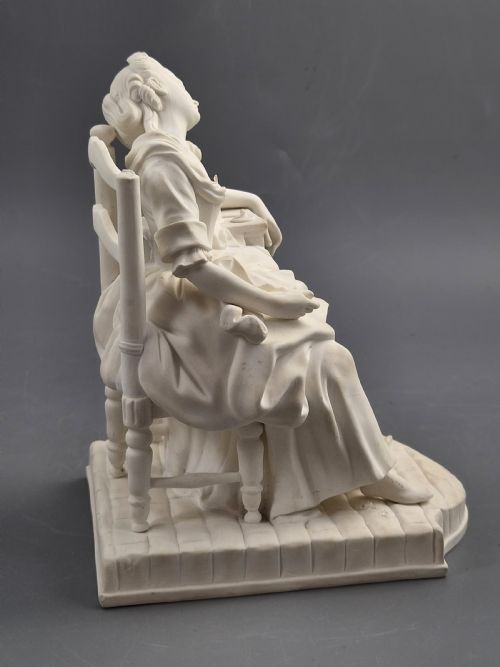
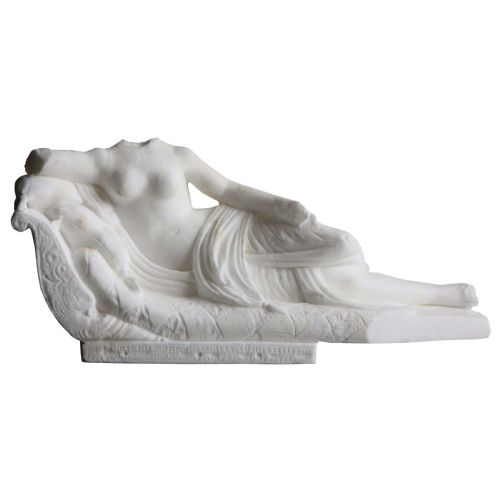
A white marble figurine encompasses carved stone sculptures, portrait busts, and mythological figures produced primarily during the nineteenth and early twentieth centuries. Buyers seeking this phrase encounter works ranging from Grand Tour souvenirs of Italian origin to French mantle ornaments and English parian ceramic approximations.
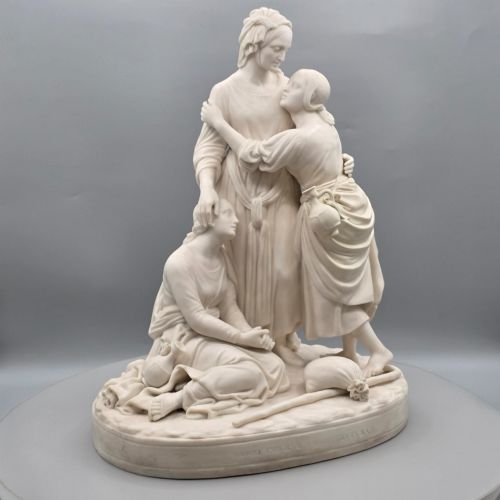
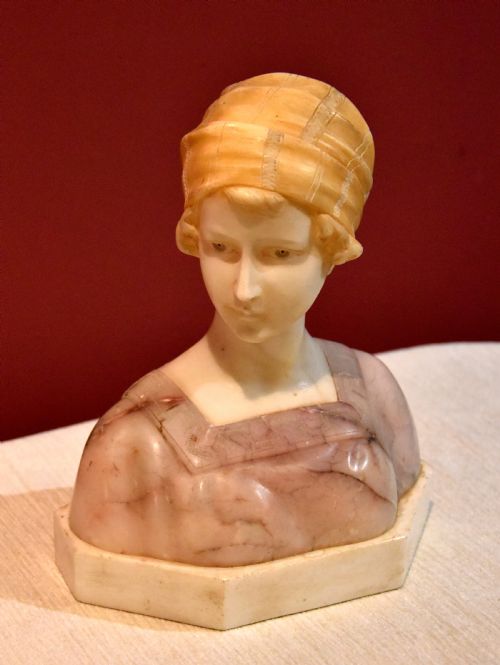
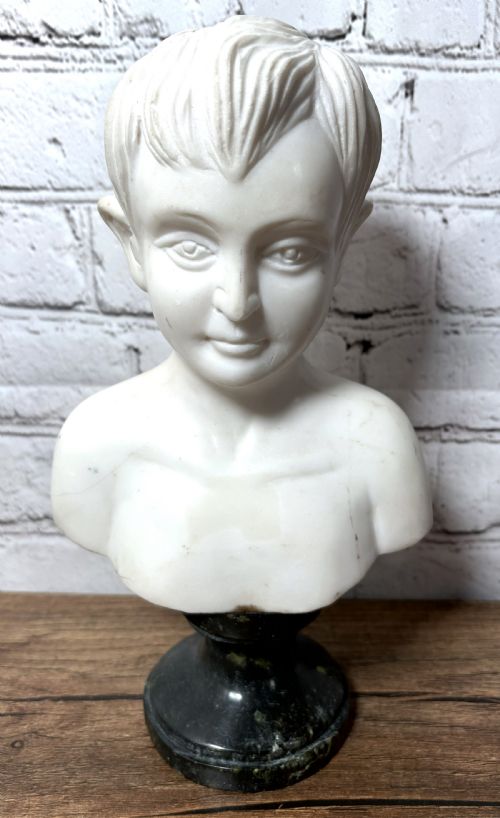
The dominant forms on this page include full-length sculptural figures of classical deities, children, and literary heroines, alongside library busts carved from Carrara marble or alabaster. Many examples reflect Neoclassical and Victorian aesthetics, drawing inspiration from ancient sculpture or Renaissance masters.
Makers and sculptors from Italian studios, French ateliers, and English ceramic factories utilised these subjects to supply domestic interiors and collector cabinets with portable classical art.
Materials and construction methods
Carvers shaped these pieces from solid blocks of Carrara marble, alabaster, and mixed stones using chisels, rasps, and drills to achieve intricate drapery and hair. Workshops also utilised biscuit porcelain and Parianware, pouring liquid clay slip into multiple-part moulds before firing the ceramic bodies at high temperatures.
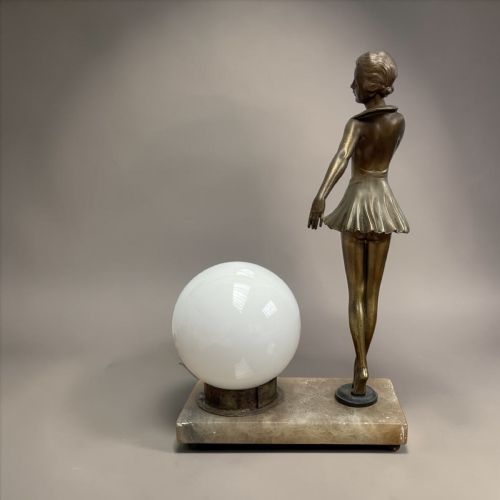
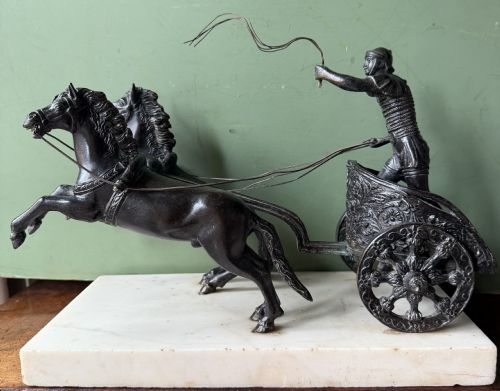
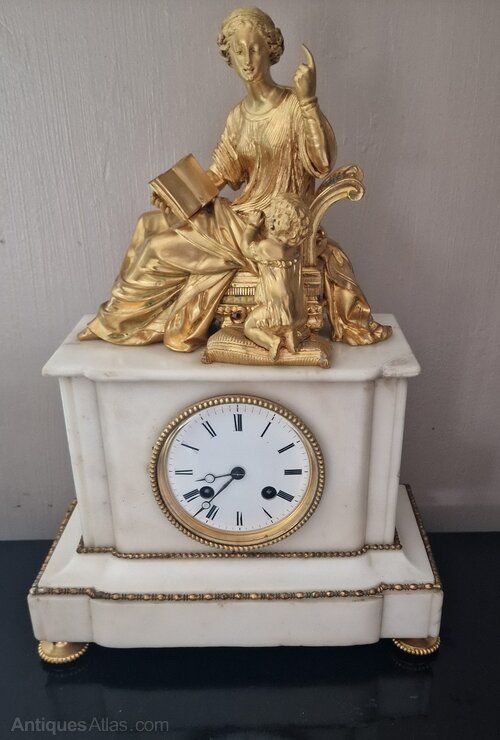
Bronze components, ormolu mounts, and gilt bronze details frequently accompanied the stone bases and figures, particularly in mantel clocks and sculptural groups. Artisans finished marble surfaces through careful polishing, while ceramic figures relied on the matte, unglazed texture characteristic of parian bodies.
Several figures portray mythological deities caught mid-stride, proving that even immortal goddesses occasionally required a sturdy marble plinth to keep their balance.
Determining quality in carved stone and ceramic
The degree of anatomical precision and the crispness of detail in carved hands, facial expressions, and drapery separate standard production from superior artistry. Finer sculptures reveal a deep understanding of human musculature and delicate undercut work that creates realistic shadows within the stone.
The selection of the raw material influences the final character, with uniform white marble commanding higher regard than stone interrupted by heavy grey veins or natural flaws. In ceramic counterparts, the smoothness of the parian body and the absence of firing warping distinguish accomplished studio output from utilitarian production.
Carlo Albacini·Barranti·Auguste Henri Carli·Antonio Canova·Fritz Kochendorfer·Mieczyslaw Leon Zawiejski·Clovis Masson·Antonio Frilli·Pugi·Vincenzo Gemito·Ferdinando Vichi
The White Marble Figurine Glossary
- Carrara marble
- A type of white or blue-grey marble quarried in the city of Carrara in the north of Tuscany, widely used for classical sculpture.
- Parian porcelain
- A fine-grained, unglazed porcelain developed in England during the nineteenth century that imitates the appearance of Parian marble.
- Alabaster
- A fine-grained, translucent stone often used for soft-hued sculptural figures and lighting components during the nineteenth century.
- Grand Tour
- A traditional trip of Europe undertaken by upper-class European young men of means, resulting in the acquisition of souvenir bronzes and miniature marbles.
- Neoclassical
- A Western cultural movement drawing inspiration from the classical art and culture of ancient Greece or ancient Rome.
White Marble Figurine: Frequently Asked Questions
How do I clean a marble sculpture?
Dust the surface regularly with a soft, dry microfiber cloth to prevent particle buildup within the carved crevices.
Avoid using water, household detergents, or acidic cleaners, which can etch the polished stone or damage the porous material.
What is the difference between marble and parian?
Marble is a natural metamorphic rock formed from limestone, featuring crystalline structure and natural veining.
Parian is a manufactured ceramic material composed of feldspar and clay, fired to resemble the smooth matte texture of white marble.
Where were these nineteenth-century figures made?
Sculptures in stone originated primarily from carving workshops in Italy, particularly Florence and Carrara, as well as French studios.
Ceramic alternatives and parian figures were predominantly produced by English factories such as Minton, Copeland, and Worcester.