



Classical Reclining Figure
A classical reclining figure brings quiet neoclassical repose to a room through bronze, marble, and alabaster.
Classical Reclining Figure
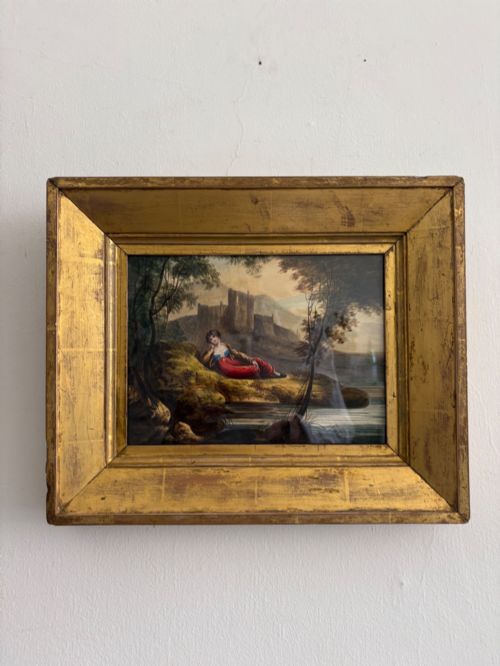
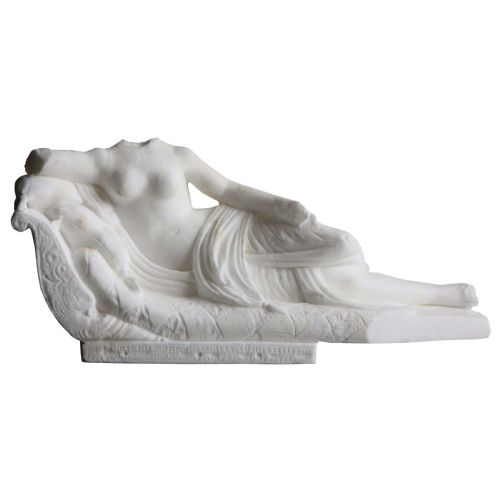
A classical reclining figure represents a reclining lady, nude, or mythological subject modeled in bronze, carved marble, alabaster, or rendered on paper.
These pieces draw directly from the Grand Tour tradition and Neoclassical sculpture, echoing ancient Greek and Roman forms.
Most examples found here date from the nineteenth century, including French bronzes and Italian carved alabaster works.
How they were made
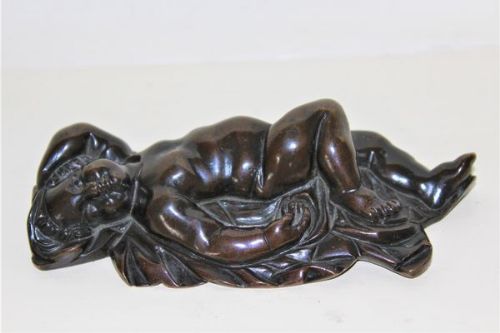
Sculptors shaped figures using the lost-wax casting method for patinated and two-tone bronzes, or carved them directly from Carrara marble and alabaster.
Flat works utilised watercolour, ink, or oil paint on paper and canvas, housed within gilt or timber frames.
A small sleeping chubby cherub rests quietly among these classical ladies.
What varies in quality
Quality rests upon the crispness of the carving or casting, where sharper musculature and drapery define superior work.
The choice of material, from fine-grained Carrara marble to standard patinated bronze, elevates the presence of the piece.
Antonio Canova·Edmond Leveque·Gugielmo Pugi
The Classical Reclining Figure Glossary
- Grand Tour
- A traditional trip through Europe undertaken by upper-class young men to collect art and antiquities. This practice filled British country houses with classical sculpture.
- Neoclassical
- A Western cultural movement drawing inspiration from the art and culture of classical antiquity. It prioritised balance, restraint, and heroic subjects.
- Alabaster
- A fine-grained mineral often carved into translucent sculptures and figures. Its softness allowed artisans to render smooth drapery and skin.
- Patinated Bronze
- A bronze sculpture treated with chemical solutions to produce a specific surface colour. This finish protects the metal and adds visual depth.
Classical Reclining Figure: Frequently Asked Questions
How do I display a marble figure?
Place the sculpture on a sturdy table or pedestal where indirect light catches the carved surface without exposing the stone to direct heat.
Ensure the placement allows viewers to appreciate the reclining angle and details from multiple viewpoints around the room.
Are these figures solid bronze?
Many nineteenth-century bronzes were cast hollow using the lost-wax method to save weight and metal while maintaining structural integrity.
Heavier examples or smaller bookends may contain denser cores or integrated bases for stability.
How do I clean alabaster?
Dust the alabaster gently with a dry, soft-bristled brush to remove surface particles without scratching the soft stone.
Avoid using water or chemical cleaners, as moisture can dissolve and discolour unsealed alabaster surfaces.
What period do most pieces come from?
The majority of pieces date from the nineteenth century, reflecting the strong Victorian and Belle Epoque appetite for classical subjects.
Earlier eighteenth-century drawings and later turn-of-the-century carvings also appear alongside these Victorian works.