

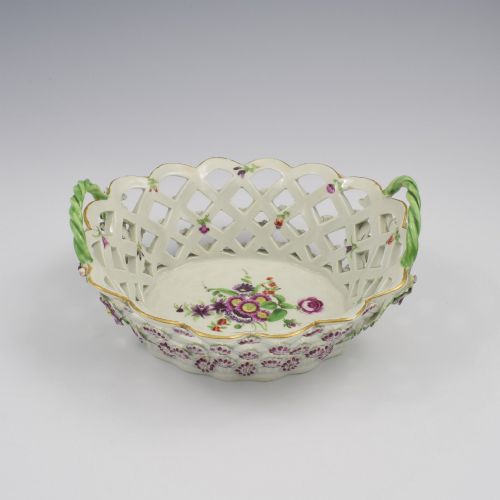


White Lattice Ceramic
White lattice ceramic pieces bring openwork charm to a table, offering intricate woven designs that catch the eye and hold fruit, cheese or sweets.
White Lattice Ceramic
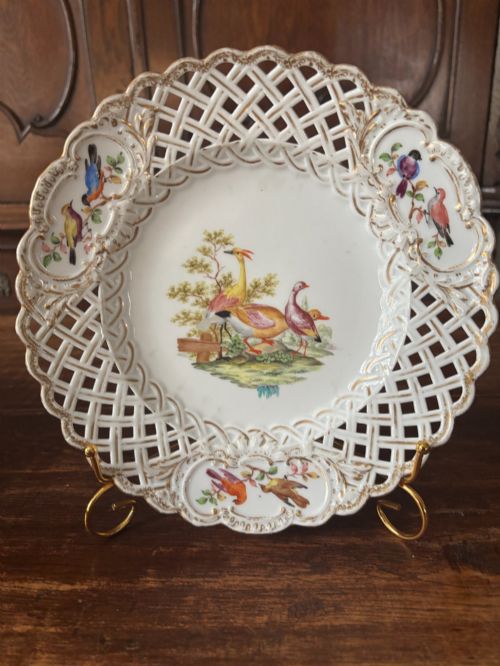
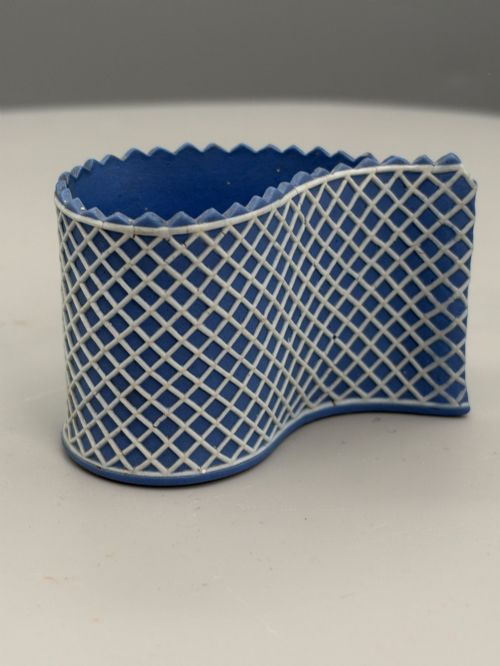
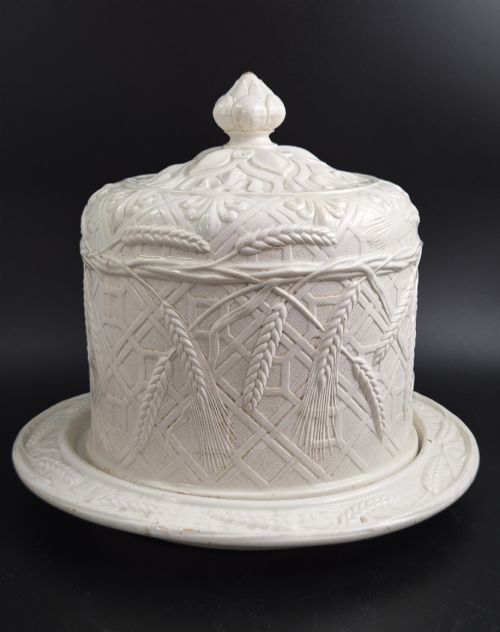
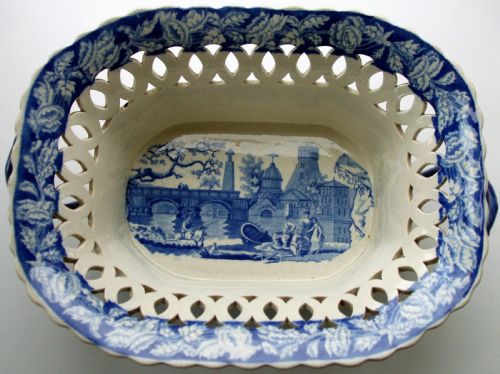
White lattice ceramic items encompass decorative baskets, chestnut baskets, centrepieces, bowls, cheese domes, cabinet plates and tableware found across the eighteenth and nineteenth centuries.
The pieces span Georgian, Rococo Revival and Victorian styles, originating from English and continental makers in porcelain, ironstone, earthenware, stoneware and pearl glaze.
Buyers meet forms like reticulated plates, basketweave plates and work basket dishes, often finished with enamel, gold leaf or transfer printing.
How they were made
Potters shaped these objects from porcelain, ironstone, earthenware and stoneware, utilising techniques that allowed for intricate pierced and woven lattice structures.
Surface decoration involved hand-painted enamels, polychrome details, transfer printing and applied gold leaf over clear or pearl glazes.
White Lattice Ceramic Retail Price Guide 2026
Typical asking prices for white lattice ceramic among the pieces listed under this phrase on Sellingantiques today, from the lower quarter to the upper quarter. They describe what is for sale here now, not the wider market.
Listings feature periods from the 18th century through to 1900, spanning Georgian and Victorian styles in porcelain, ironstone and earthenware.
What varies in quality
The refinement of the pierced lattice work separates standard production from finer output, alongside the crispness of moulded basketweave and applied details.
Hand-painted polychrome enamel work and the precision of transfer-printed scenes determine the artistic merit of individual pieces.
Spode·Wedgwood·Dr Wall Worcester·J. and R. Clews·Meissen·Minton·Plaue Schierholz
The White Lattice Ceramic Glossary
- Lattice
- An openwork pattern of crossed strips resembling a net or trellis. This forms the pierced walls characteristic of baskets and comports.
- Reticulated
- Describes ceramic decoration featuring an open, net-like or pierced geometric design. It requires skilled cutting of the clay before firing.
- Ironstone
- A heavy, durable type of earthenware patented in the nineteenth century. It provides a robust body for large utility items like cheese domes.
- Comport
- A decorative pedestal dish or bowl used for serving fruit or sweets at the table. These often feature pierced borders or elaborate centrepiece stands.
- Chestnut basket
- A specialised serving vessel designed for holding roasted chestnuts, typically featuring a fitted lid and openwork sides for ventilation.
White Lattice Ceramic: Frequently Asked Questions
What were white lattice ceramic baskets used for?
These baskets served dining tables as vessels for fresh fruit, sweets or roasted chestnuts during formal meals. Their openwork design allowed air circulation for food preservation.
Over time, owners transitioned them from active dining service to display pieces on sideboards, mantelpieces and within glass cabinets.
How do I date a Victorian piece?
Victorian examples often display heavy ironstone bodies, moulded wheat motifs or robust basketweave textures typical of the mid to late nineteenth century. Maker marks and registration numbers stamped into the base provide precise chronological markers.
Stylistic cues such as Rococo Revival curves also help distinguish these later interpretations from eighteenth-century Georgian precursors.
How should I clean white lattice ceramic?
Wash these items gently by hand using lukewarm water and a mild detergent, taking care around delicate pierced lattice walls and applied gold leaf. Avoid soaking pieces with transfer printing or enamel work to protect the pigments.
Dry them thoroughly with a soft cloth immediately after washing to prevent moisture pooling in recessed crevices.
What is pearl glaze?
Pearl glaze is an early nineteenth-century ceramic finish characterised by a slightly bluish tint pooling in the crevices of moulded decoration. It was developed to create a whiter appearance on earthenware bodies.
Pieces featuring this glaze often exhibit soft surface sheens that distinguish them from later bright white ironstone and porcelain.