


White Gold Solitaire
White gold solitaire pieces bring together enduring metal and single stones, offering classic design for daily wear.
White Gold Solitaire
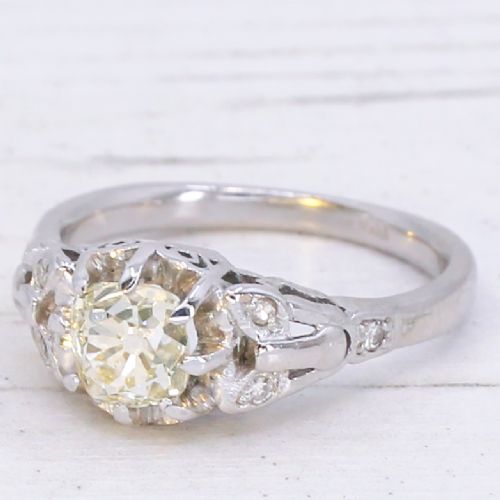
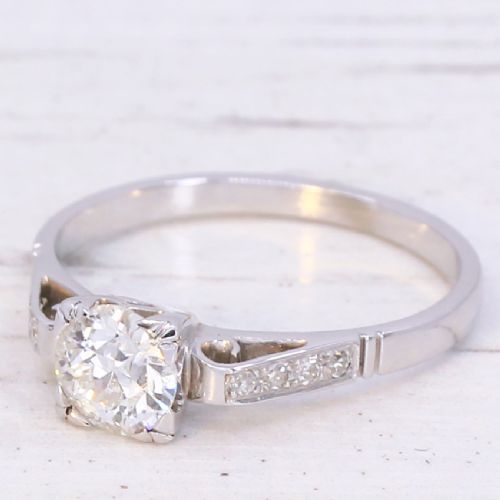
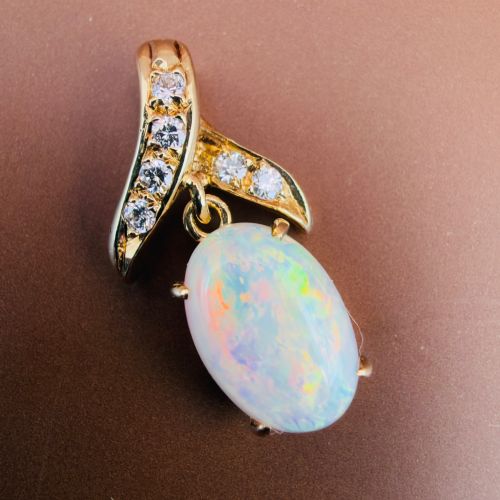
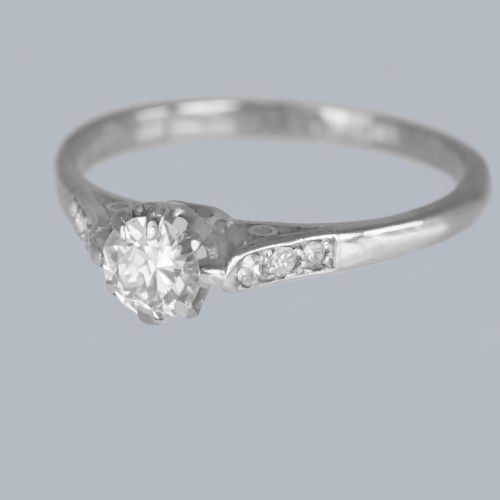
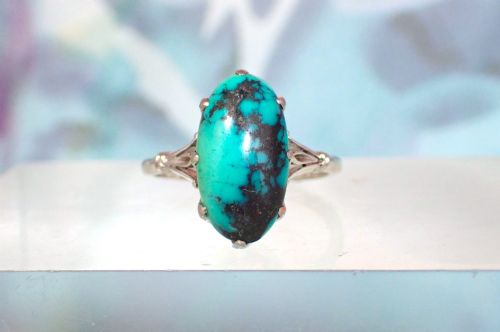
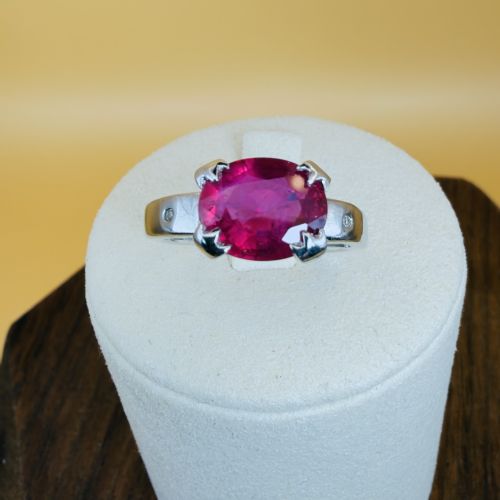
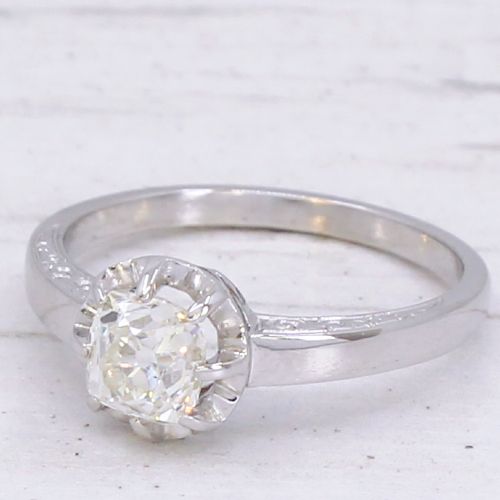
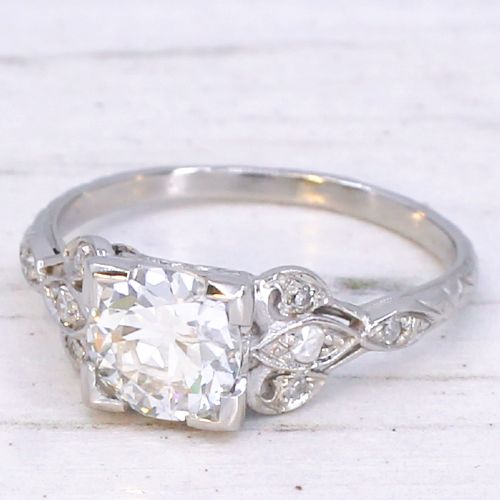
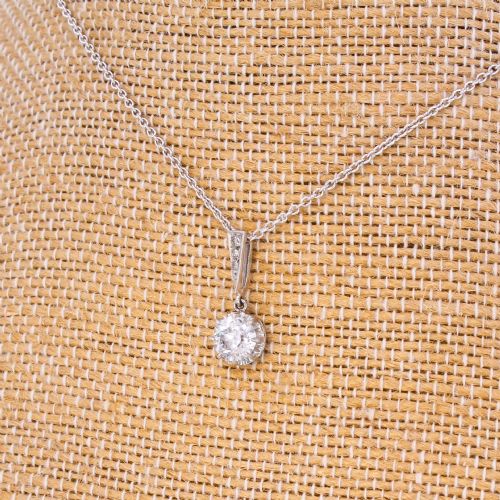
A white gold solitaire focuses attention entirely on a single central gemstone mounted in white gold, platinum, or combined mountings. These items appear frequently as engagement rings, alongside pendants and earrings.
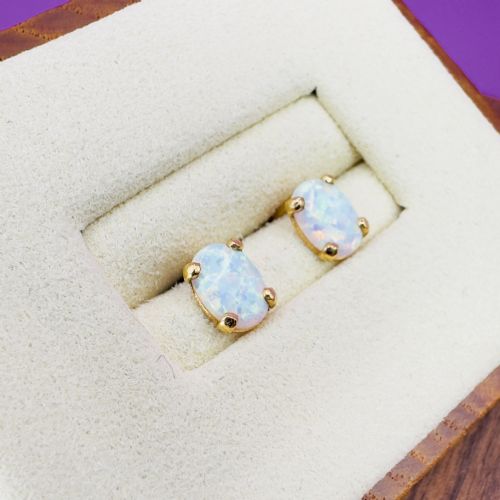
The selection spans from the Edwardian era and Art Deco periods through to mid-century and modern designs. Rings feature prominently, complemented by diamond and opal pendants as well as sapphire and zircon earrings.
Makers and periods recorded in the archive include pieces by Georg Jensen, Perroud, and Giboulet alongside unbranded Edwardian and vintage creations. Pieces incorporate diamonds ranging from old cut and transitional cut to brilliant cut stones.
How they were made
Craftsmen utilised 9ct, 14ct, and 18ct white gold, frequently pairing the alloy with platinum settings to secure the principal gems. Mounts often incorporate fine millegrain edges, bezel settings, or diamond-set shoulders.
Gemstones including old cut, cushion cut, and brilliant cut diamonds are hand-set into custom cavities. Filigree work and basket settings appear across items from the 1920s and Art Deco decades.
Listings feature white gold and platinum items spanning from 1900 through the Art Deco era and mid-century decades.
What varies in quality
Quality depends upon the clarity and cut of the central diamond or coloured gemstone, such as unheated sapphires or opals. Older stones like old European cuts display distinct hand-faceted proportions compared to later brilliant cuts.
Georg Jensen·Perroud·Giboulet
The White Gold Solitaire Glossary
- Solitaire
- A piece of jewellery featuring a single central gemstone, most commonly a diamond.
- Old European Cut
- An early form of round cut diamond featuring a small table, high crown, and large culet, characteristic of the late nineteenth and early twentieth centuries.
- Millegrain
- A decorative technique involving a line of tiny raised metal beads along the edges of a setting.
- Transition Cut
- A diamond cut used from the 1930s to the 1950s that bridges the older old European cut and the modern brilliant cut.
- Bezel Setting
- A method where a thin metal rim wraps around the girdle of a gemstone to hold it securely in place.
White Gold Solitaire: Frequently Asked Questions
How do I care for white gold jewellery?
White gold jewellery benefits from gentle cleaning with warm soapy water and a soft brush. Avoid harsh chemicals that can strip the outer rhodium plating.
Periodic professional inspection ensures the setting claws remain secure around the central diamond or gemstone.
What is an old cut diamond?
An old cut diamond is a vintage gemstone shaped by hand before modern cutting machines existed. These stones exhibit smaller tables and deeper pavilions.
Such diamonds produce a distinctive, softer candlelight sparkle compared to modern brilliant cuts.
How can I tell an antique ring's period?
Dating an antique ring involves examining the cutting style of the gemstone, the alloy hallmarks, and the construction techniques. Art Deco pieces display geometric symmetry and fine millegrain.
Edwardian items frequently combine yellow gold bands with platinum top settings and intricate piercing work.