



White Gold Pin
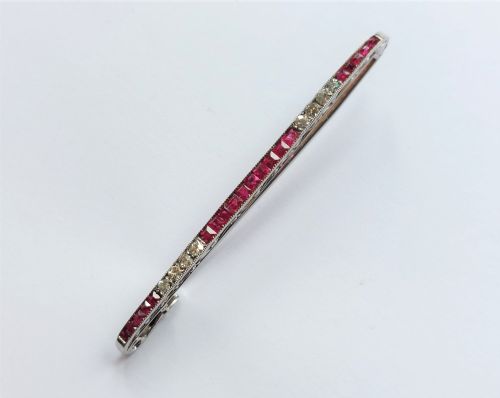
White gold pin designs span periods from Victorian stickpins to Art Deco bar brooches set with diamonds and rubies.
White Gold Pin
A white gold pin encompasses wearable pieces designed for fastening garments, primarily appearing as brooches, bar brooches, and stickpins across the inventory.
The selections range from nineteenth-century Victorian and Edwardian examples to Art Deco pieces of the nineteen-twenties and mid-century designs from nineteen-sixty.
Buyers seeking this phrase frequently encounter diamond-set motifs, floral spray configurations, and geometric arrangements alongside simpler circle pins.
Materials and construction methods
Items are constructed predominantly using eighteen-carat or fourteen-carat white gold and platinum, often paired with yellow gold or silver gilt in specific periods.
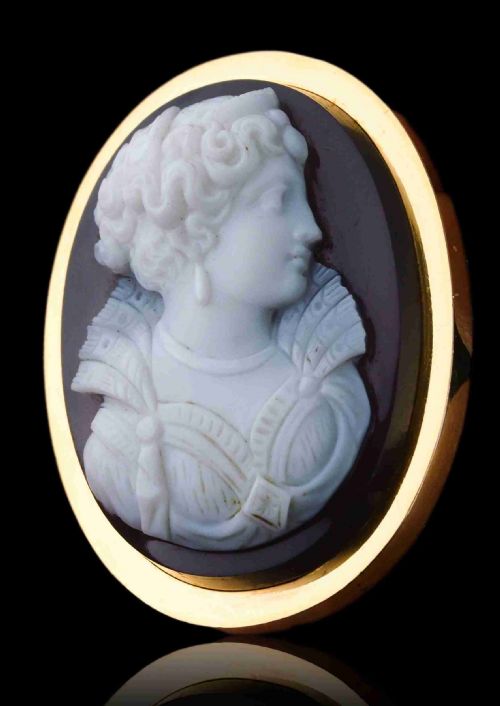
Gemstone setting incorporates diamonds, rubies, sapphires, emeralds, pearls, opals, and fire opals, alongside decorative elements of enamel, onyx, rock crystal quartz, and chrysoprase.
Listings feature white gold pins set with diamonds, rubies, sapphires, and emeralds across Victorian, Edwardian, Art Deco, and mid-century periods.
Assessing quality in pins
Differentiation across the range rests on the complexity of the metalwork, the weight and cut of set diamonds, and the integration of harder stones like onyx and rock crystal.
Finely executed pieces demonstrate precise stone matching, secure setting techniques, and balanced proportions within floral or geometric compositions.
Aksel Holmsen·Barr, Flight & Barr
The White Gold Pin Glossary
- Bar brooch
- A narrow horizontal pin format popular during the Edwardian and Art Deco periods. These pieces frequently incorporate central diamond clusters or gem-set motifs.
- Stickpin
- A long pin topped with a decorative head, worn upright in a lapel or cravat. Victorian and Edwardian examples often feature single diamonds or pearls.
- Old cut diamond
- A precursor to the modern brilliant cut, featuring a smaller table, higher crown, and open culet. These stones are typical of Victorian and Art Deco jewellery.
- Platinum
- A dense, durable white metal frequently utilised alongside white gold in Edwardian and Art Deco settings to secure fine diamond work.
- Enamel
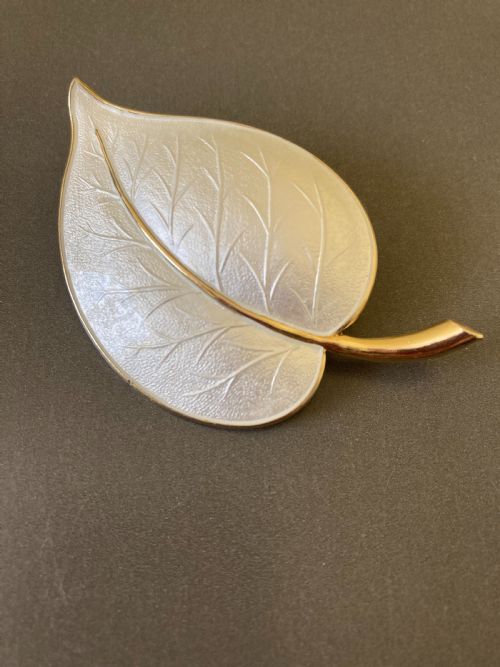
- Vitreous coloured glass fused to metal surfaces to provide vibrant decoration. Norwegian pieces from the mid-century period often utilise this technique.
White Gold Pin: Frequently Asked Questions
What periods do these pins come from?
The inventory includes pieces from the Victorian and Edwardian eras, alongside Art Deco items from the nineteen-twenties and mid-century designs up to nineteen-sixty.
Earlier nineteenth-century examples sit alongside twentieth-century platinum and white gold creations.
How were white gold pins worn?
Pins and brooches served to fasten scarves, collars, and lapels on garments, while stickpins secured neckwear and heavier fabrics.
Many configurations functioned primarily as decorative ornaments rather than functional fasteners.
What gemstones accompany the white gold?
Diamonds form the most common gemstone element, appearing alongside rubies, sapphires, emeralds, pearls, opals, and fire opals.
Non-gemstone accents such as enamel, onyx, and rock crystal quartz also appear in Art Deco designs.
How do I identify an Art Deco pin?
Art Deco pieces typically display geometric symmetry, clean lines, and combinations of white gold or platinum with calibrated stones.
Motifs from this era often utilise contrasting materials like black onyx alongside diamonds.