


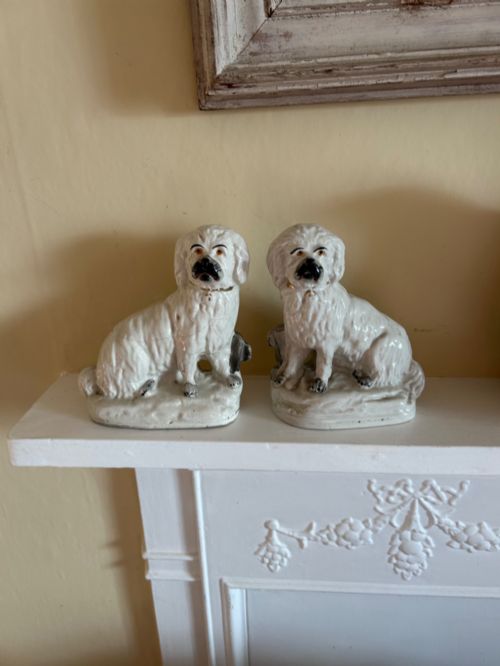


White Glazed Figurine
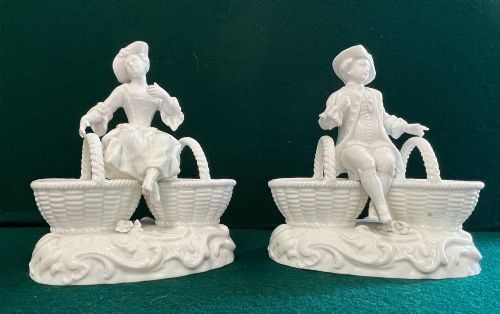
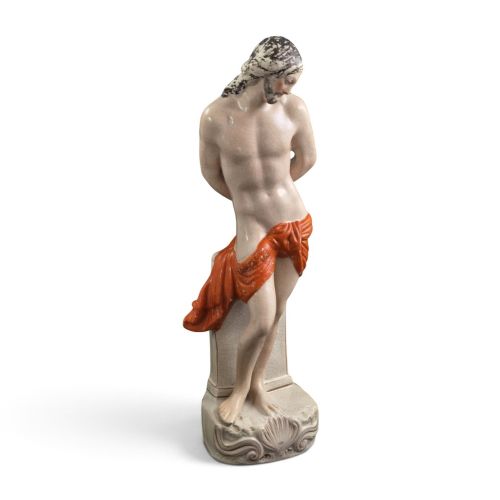
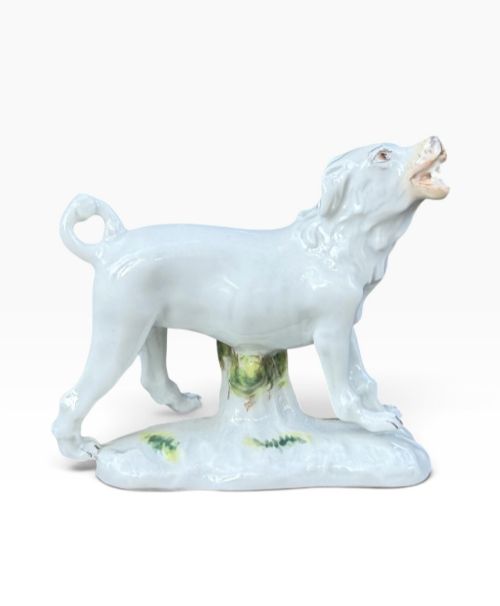
White glazed figurine examples span soft-paste porcelain and earthenware from the eighteenth century onwards, offering collectors sculptural subjects ranging from animals to historical portrait groups.
White Glazed Figurine
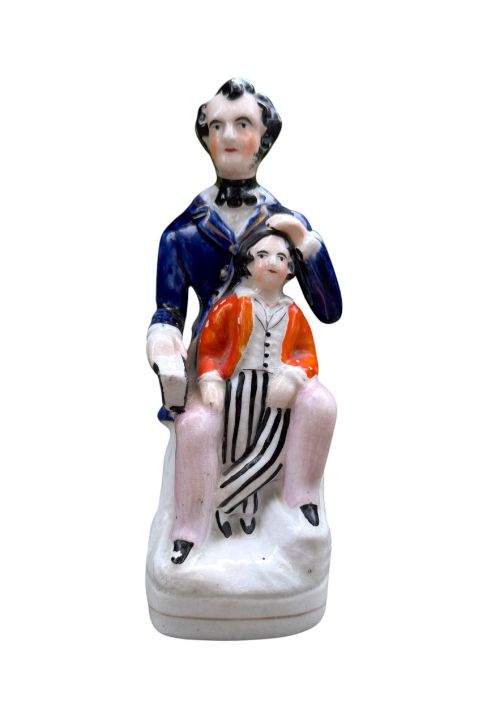
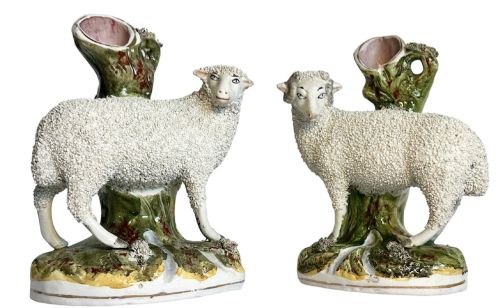
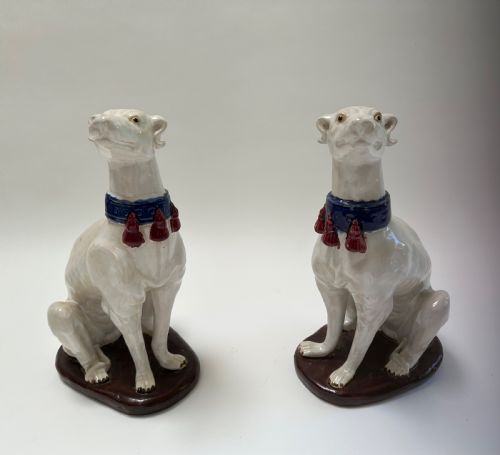
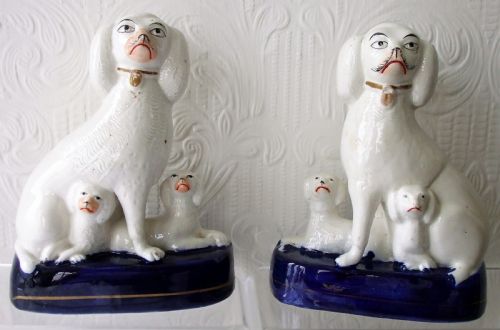
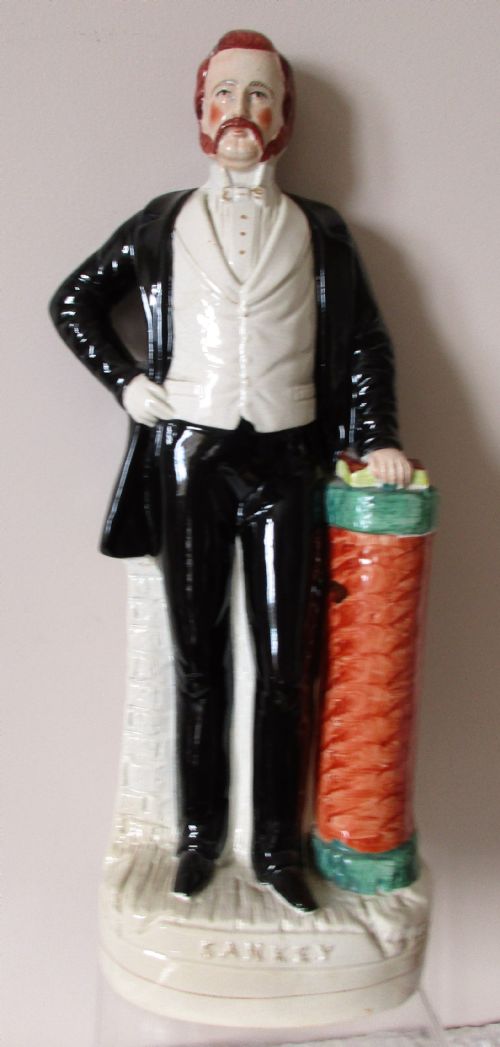
A white glazed figurine encompasses sculptural pottery and porcelain pieces finished with lead glaze, enamel, or plain white surfaces, frequently appearing as pairs of animals, human portraits, or mythological subjects. Collectors pursuing a white glazed figurine typically encounter nineteenth-century Staffordshire earthenware dogs, sheep, and historical figures alongside continental porcelain productions.
The objects originate from varied European traditions, spanning English Staffordshire potteries, German factories such as Meissen and KPM, Dutch Delftware workshops, and French kilns. These pieces function historically as mantel ornaments, spill vases, inkwells, and decorative table centrepieces rather than utilitarian vessels.
Moulded figures predominate in the selection, often produced as matched pairs intended to flank a fireplace or mirror. Subjects range from domestic pets and agricultural animals to theatrical performers and royal portrait groups recording mid-nineteenth-century events.
Materials and manufacturing techniques
Potters constructed these figures using earthenware, soft-paste porcelain, ceramic, and hard-paste porcelain body pastes shaped in press moulds or slip-cast moulds. Artisans then applied transparent lead glazes, opaque white tin glazes, or blanc-de-chine finishes before secondary firing.
Decoration often incorporated hand-painted enamel colours, gold leaf accents, and underglaze blue painting beneath the final glossy coat. Sculptural elements such as foliage, bases, and domestic animals were assembled from separate moulded components prior to glazing and firing.
Materials recorded in current inventory include lead glaze, gold leaf, enamel paint, and tin glaze applied to animal and human forms.
Distinctions in craftsmanship and finish
The complexity of the modelled form, particularly in multi-figure groups or intricate animal fur texture, separates standard decorative output from works by notable modellers and major factories. Original matching pairs display consistent scale and uniform coloration that indicate they issued from the same kiln charge.
Meissen·Royal Worcester·Vion and Baury·Thomas Parr
The White Glazed Figurine Glossary
- Blanc-de-chine
- A French term for white Chinese porcelain, later adopted to describe European porcelain covered in a glossy colourless white glaze. This finish highlights sculptural contours without relying on painted enamel decoration.
- Flatback
- A Staffordshire figure style moulded with a finished front and a plain, unglazed or partially glazed flat rear side. These pieces were designed to sit flush against a wall or mantelpiece.
- Spill vase
- A hollow cylindrical holder attached to a ceramic figure, designed to hold taper spills for lighting candles or fires. These dual-purpose objects combine domestic utility with sculptural display.
- Earthenware
- Porous pottery fired at lower temperatures than porcelain, requiring a vitreous glaze to achieve impermeability. Staffordshire figures are predominantly earthenware.
- Soft-paste porcelain
- An artificial porcelain compound composed of white clay, glass frits, and ground minerals, fired at lower temperatures than hard-paste porcelain. Eighteenth-century French and English factories utilised this material before true hard-paste porcelain became widespread.
White Glazed Figurine: Frequently Asked Questions
How do I identify nineteenth-century Staffordshire figures?
Nineteenth-century Staffordshire figures generally display earthenware bodies with hand-painted enamel decoration over a glossy lead glaze. Many feature flat backs designed for mantel placement.
Subjects frequently include royal portraits, literary characters, and domestic animals such as spaniels and poodles, often marked by crazing in the glaze acquired through age.
What is the difference between porcelain and earthenware figures?
Porcelain is vitrified at high temperatures, resulting in a dense, non-porous body that can be translucent when held to the light. Earthenware is more porous and softer, requiring a complete glaze layer to seal the clay body.
Figurines in porcelain often originate from continental factories like Meissen, while earthenware is typical of English regional potteries.
Were Staffordshire animals always made in pairs?
Staffordshire dogs, sheep, and cattle figures were commonly produced in symmetrical pairs to decorate domestic mantelpieces. Each animal mirrors the posture of its counterpart to create a balanced arrangement.
Single figures do occur, particularly among portrait pieces and historical groups, but pairs remain prevalent for animal subjects.