

White Glazed Ceramic Dish
White glazed ceramic dish examples bring domestic history to life through hand-painted cobalt pigment and tin-glazed earthenware.
White Glazed Ceramic Dish
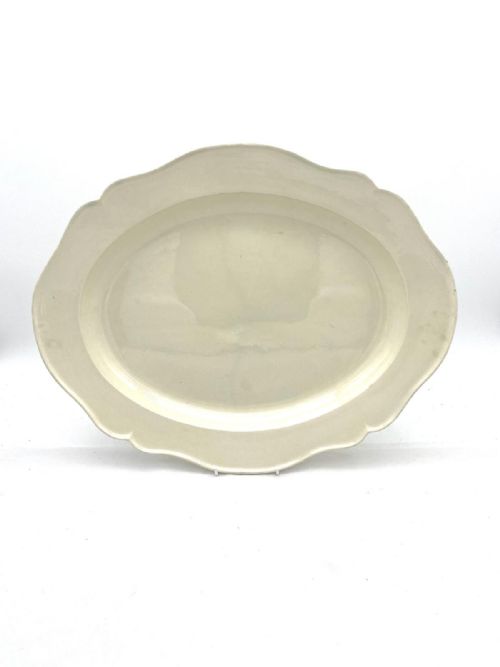
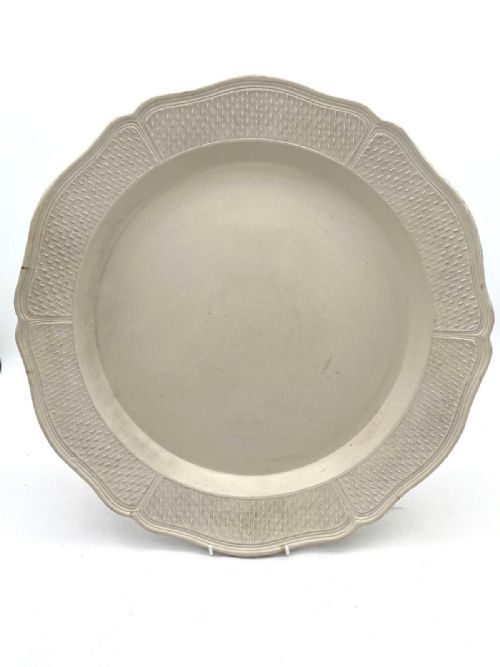
A white glazed ceramic dish encompasses large chargers, shallow bowls, platters, and decorative plates originating across British, Dutch, French, Spanish, and Chinese potteries. The pieces span periods from the seventeenth century through the Victorian era, reflecting centuries of changing domestic utilities and decorative tastes.
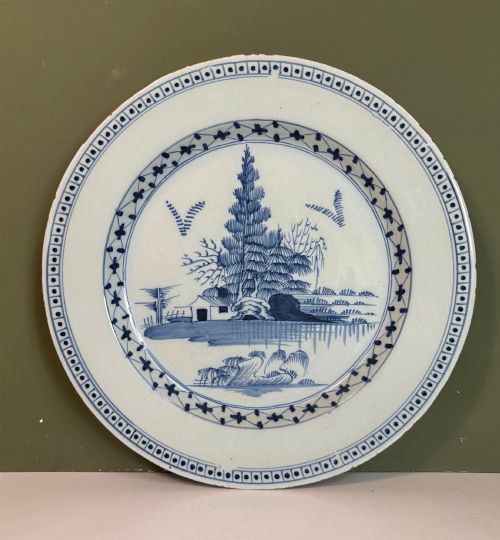
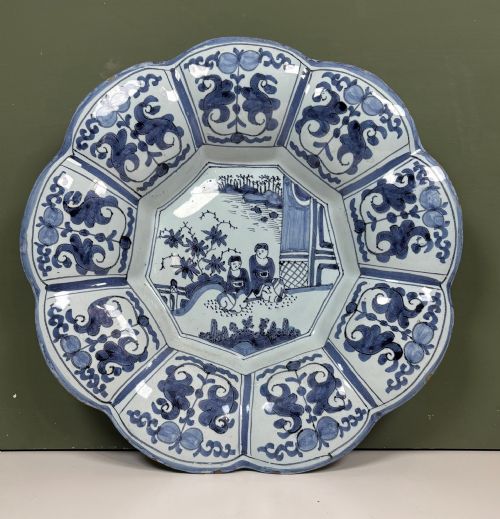
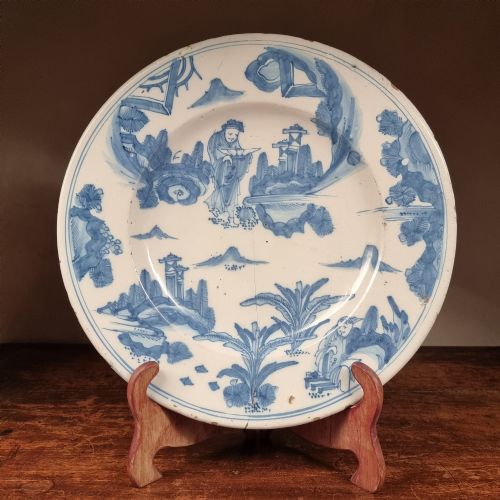
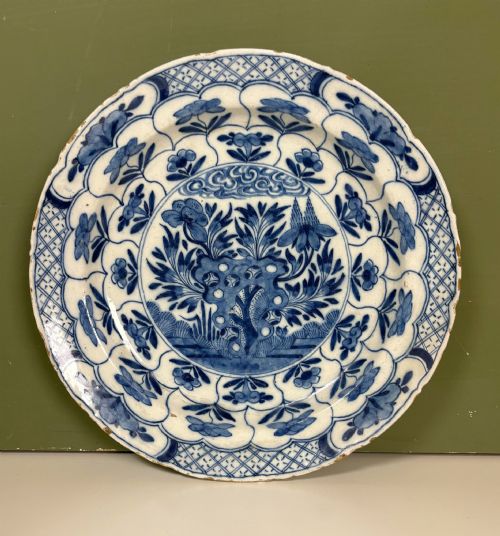
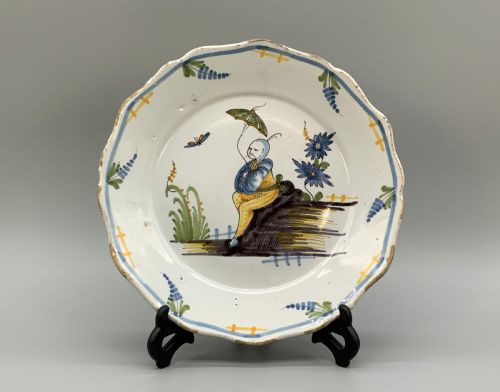
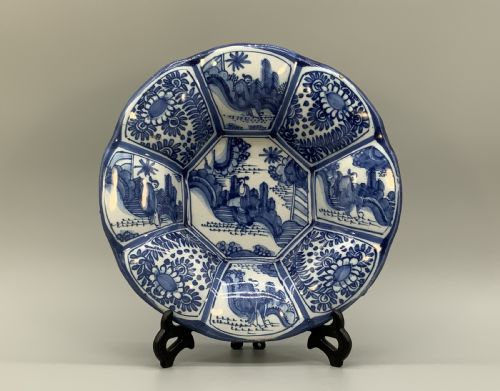
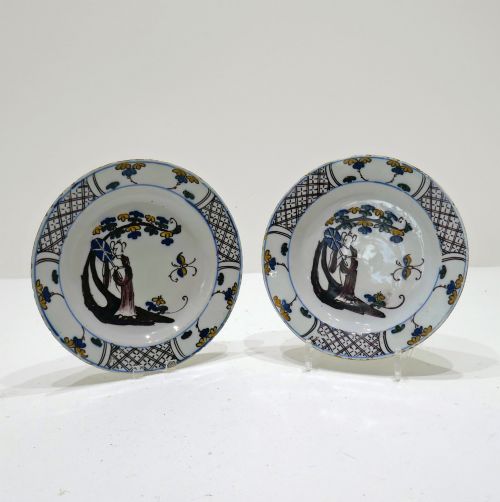
The version most commonly encountered on this page is the tin-glazed earthenware charger or plate from the eighteenth century. These substantial circular vessels frequently display blue and white or polychrome hand-painted designs influenced by Chinoiserie and Dutch Baroque styles.
Materials and Technique
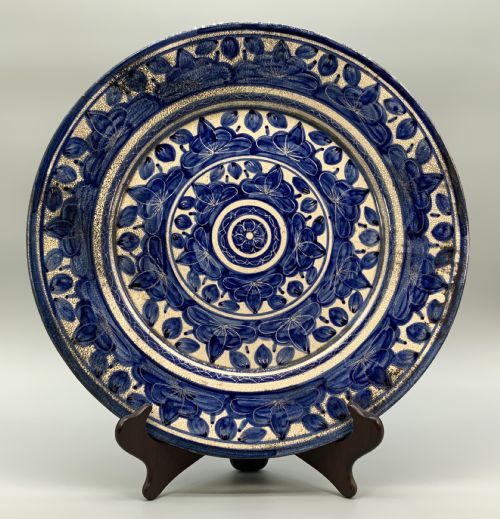
Potters formed bodies primarily from earthenware, stoneware, or porcelain, applying an opaque white tin glaze that created a smooth canvas for subsequent pigment application. Artisans painted directly onto the unfired or raw glaze using cobalt oxide and various mineral pigments.
Firing took place inside kilns where high temperatures fused the metallic oxides with the glaze matrix, producing rich blues, manganese purples, and yellows. The resulting surfaces often exhibit minor kiln pibs, pooling, and crazing unique to early ceramic manufacturing.
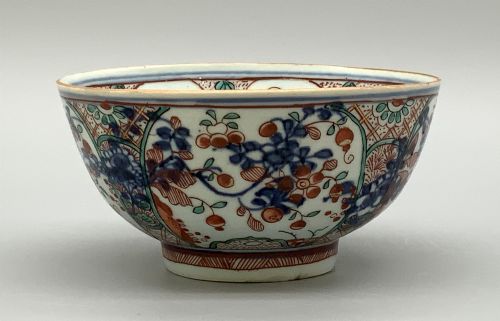
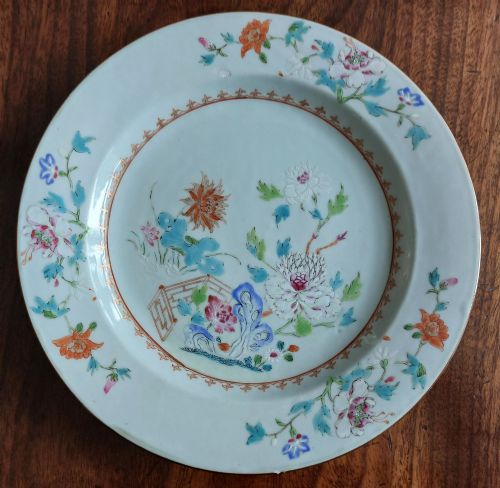
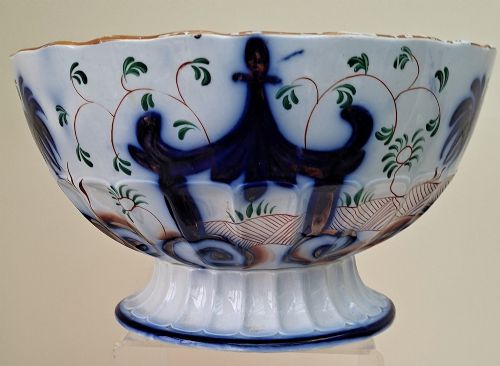
Decorations range from cobalt pigment landscapes to polychrome Chinoiserie patterns across chargers and serving dishes.
Assessing Quality
Quality rests upon the crispness of the hand-painted brushwork and the stability of the glaze application across the surface. Superior examples demonstrate confident, fluid pictorial compositions rather than hesitant or formulaic brush strokes.
The depth of the white glaze layer and the precision of the high-temperature kiln firing also distinguish finer studio output. Pieces retaining clear glaze gloss without excessive pitting represent the higher tiers of production.
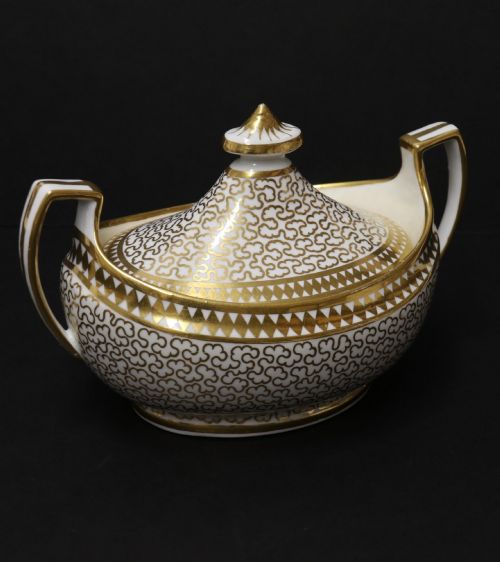
John Ridgway·Chamberlains Worcester
The White Glazed Ceramic Dish Glossary
- Tin Glaze
- An opaque white ceramic coating containing tin oxide that provides a smooth ground for painted decoration. This technique defines traditional European delftware and faience production.
- Charger
- A large decorative or serving plate typically measuring over twelve inches across. These vessels were displayed on sideboards or walls during earlier centuries.
- Chinoiserie
- European artistic interpretations of Chinese decorative motifs and landscapes popular during the seventeenth and eighteenth centuries. The style frequently appears on delft chargers and plates.
- Kraak Style
- A type of imported Chinese porcelain featuring panelled border designs copied extensively by European potteries. The layout typically surrounds a central motif of flowers or birds.
White Glazed Ceramic Dish: Frequently Asked Questions
How were these dishes used historically?
Large chargers and platters were primarily displayed on sideboards or hung on walls for decorative effect in wealthy homes. Smaller plates and bowls saw active use during meals, serving food and sweetmeats.
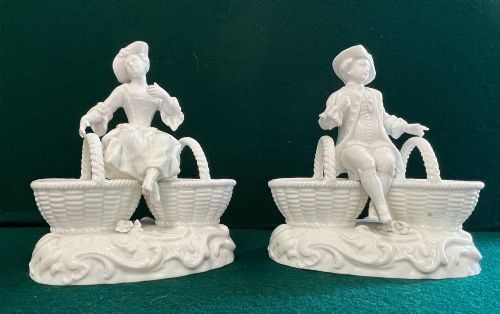
Specialised forms like barber's bowls accommodated shaving routines, featuring curved cutouts to fit against a customer's neck. Other items functioned as salt cellars or sauceboats at the dining table.
How do I care for antique ceramics?
Display these items away from direct sunlight and areas subject to sudden temperature fluctuations to protect the historic glaze layers. Dust them gently with a soft, dry cloth rather than using chemical cleaning products.
Avoid immersing antique tin-glazed earthenware in water for extended periods, as moisture can infiltrate old crazing lines. Stable shelving and secure wall fixings ensure safe long-term preservation.
How can I tell the period?
Dating relies on examining the ceramic body, glaze composition, and painting style alongside recorded kiln practices. Seventeenth-century pieces often display thicker tin glazes and distinct Kraak or Baroque influences.
Eighteenth-century examples transition through varied English, Dutch, and continental forms with specific polychrome palettes. Victorian items introduce industrial stoneware bodies and transfer-printed or stylised moulded patterns.