

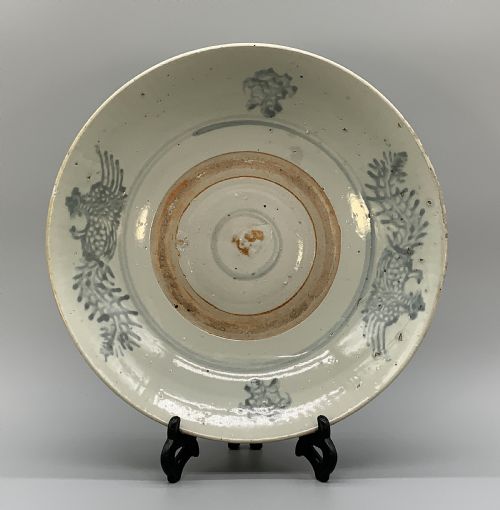


Antique Chinese Ceramic Plate
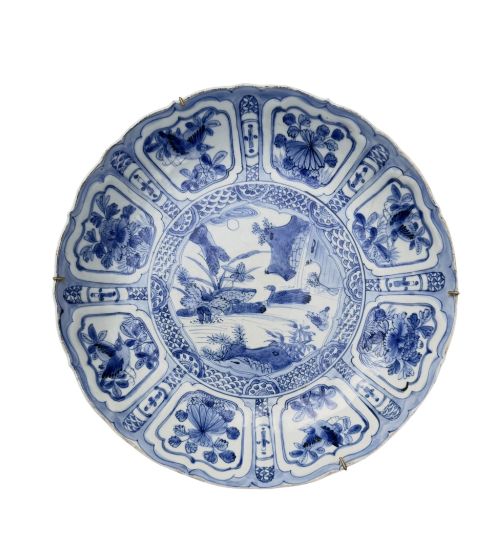
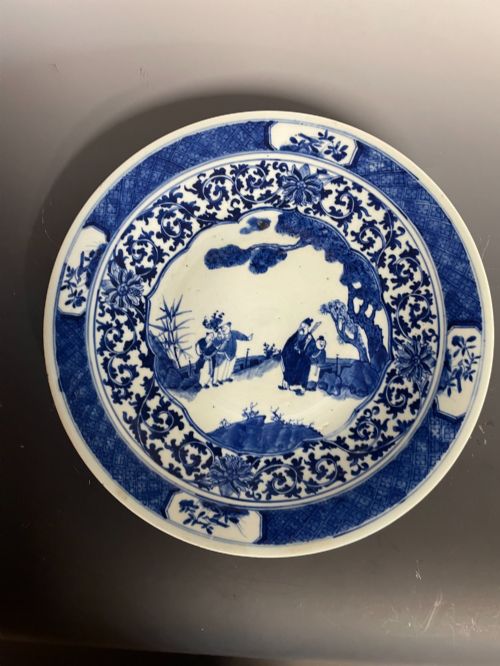
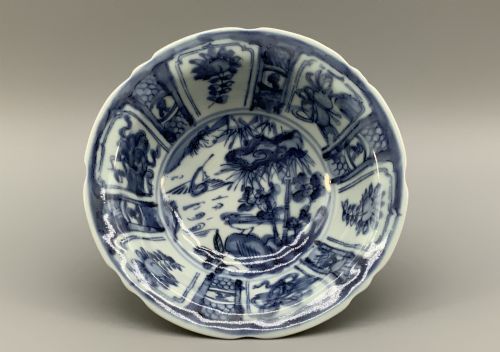
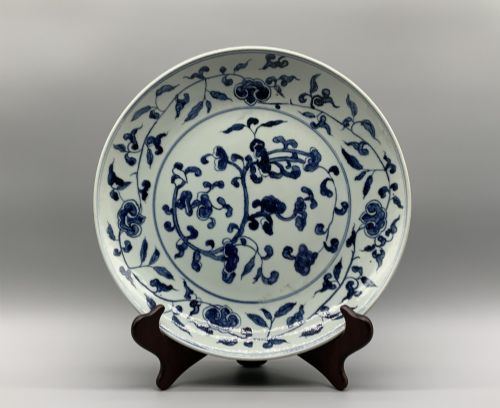
These antique chinese ceramic plate options bring centuries of porcelain artistry and vibrant enamel palettes directly to modern interiors.
Antique Chinese Ceramic Plate
An antique chinese ceramic plate encompasses a diverse range of circular dishes, large chargers, and deep bowls created for domestic use, export, and imperial courts. The selections span multiple periods, most notably the eighteenth and nineteenth centuries, alongside earlier Ming and Yuan dynasty examples.
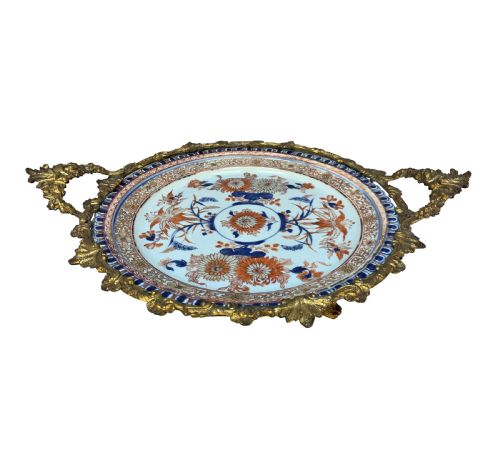
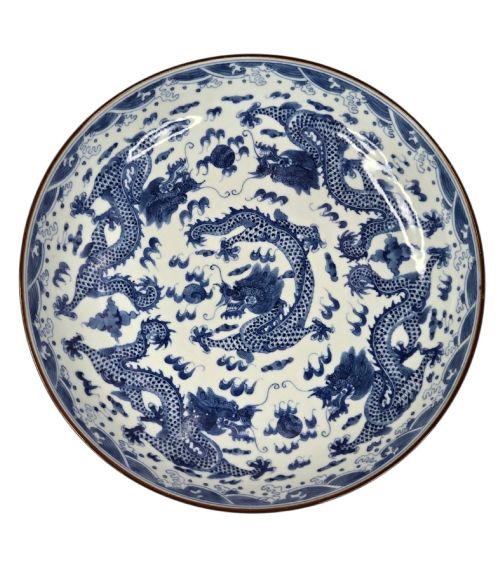
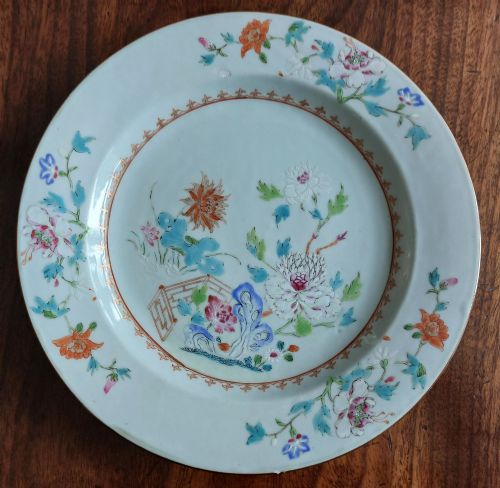
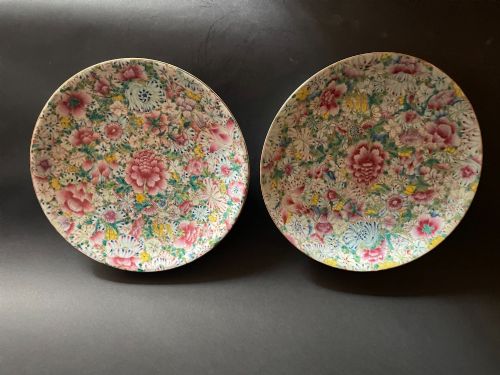
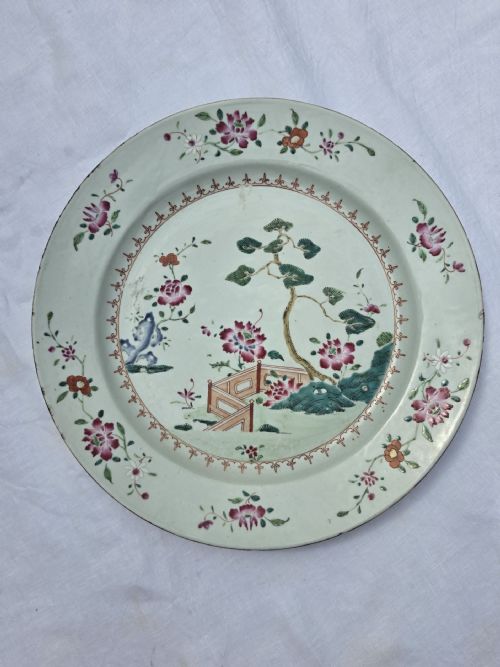
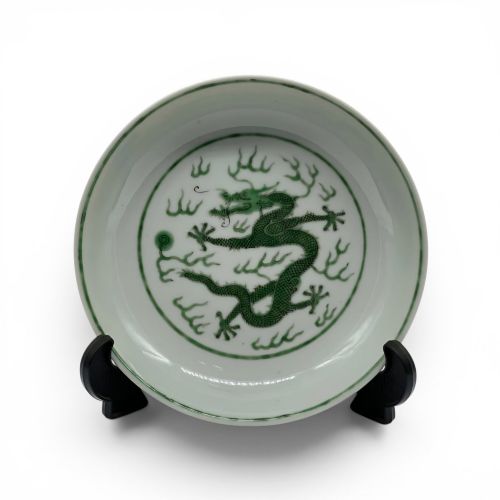
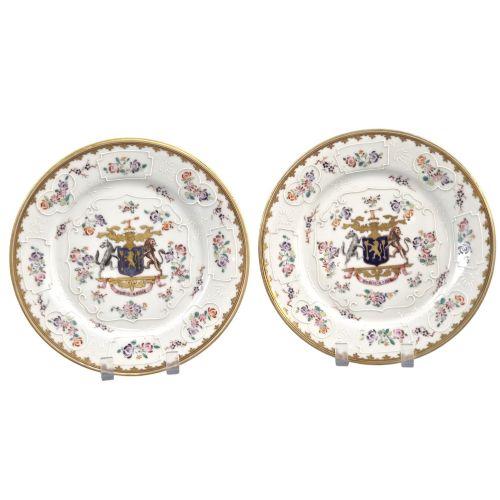
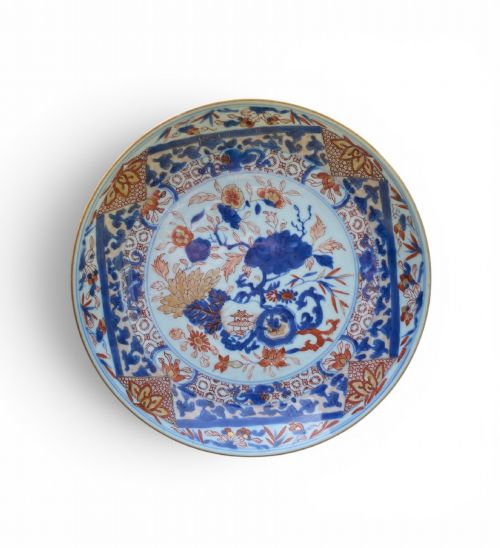
Buyers frequently encounter blue and white porcelains alongside colourful famille rose, famille verte, and Canton wares featuring floral, dragon, and armorial designs. Forms vary from simple round plates to lobed, octagonal, and foliate-rimmed dishes produced in kilns across China.
How they were made
Potters utilised fine ceramic and porcelain bodies, shaping them by hand or on the wheel before applying cobalt underglaze pigments for blue and white designs. Artisans then layered polychrome enamels, gold leaf, and iron-red details over the fired glaze.
Many pieces underwent secondary firing processes to set intricate enamel palettes such as famille rose and Canton decorations. Specialised wares like Longquan celadon received thick, jade-like glazes over carved or moulded clay bases.
Listings feature porcelain, earthenware, and ceramic pieces utilising cobalt glaze, gold leaf, and enamel across the Qing dynasty and Victorian eras.
What varies in quality
Quality rests upon the crispness of the painted brushwork, the depth and clarity of the cobalt underglaze, and the precision of moulded details like floral scrolls or five-clawed dragons. Imperial pieces show superior control in their enamel application and symmetry.
The fineness of the porcelain paste and the smoothness of the glaze application distinguish standard export items from exceptional imperial-style dishes. Condition of the overglaze enamels and gilding also influences the distinction between average and high-grade specimens.
C J Mason
The Antique Chinese Ceramic Plate Glossary
- Famille rose
- A major palette of Chinese porcelain introduced in the eighteenth century, distinguished by opaque pink or rose-coloured enamels derived from gold.
- Celadon
- A type of ceramic glaze originating in China that produces a jade-green hue over a grey or white clay body. The thick glaze often conceals carved or moulded floral and scroll patterns.
- Charger
- A large decorative plate or dish used historically for serving food or as a centrepiece on a dining table. They measure significantly larger than standard dinner plates.
- Underglaze blue
- A method of decoration where cobalt blue pigment is applied directly to the unfired ceramic body before glazing and high-temperature firing. This technique protects the blue design beneath a clear glossy surface.
- Armorial
- Ceramic ware decorated with a European family's coat of arms, typically commissioned through trade during the seventeenth and eighteenth centuries.
Antique Chinese Ceramic Plate: Frequently Asked Questions
How do I date an antique Chinese plate?
Dating relies on stylistic shifts in painting techniques, reign marks, and the specific characteristics of the porcelain paste and glaze. Examining the foot rim and the natural ageing of the ceramic body also provides vital clues.
Changes in the colour palette, such as the emergence of famille rose in the eighteenth century, help narrow the period of production alongside any recorded historical provenance.
Were these plates used for dining or display?
While many standard plates served practical dining functions, large chargers and armorial dishes were primarily designed for display on sideboards or walls. Wealthy households utilised elaborate chargers as centrepieces during formal banquets.
Export wares often recorded family crests or specific European tastes, bridging the gap between utilitarian dining items and status symbols.
What is the difference between export and imperial wares?
Export wares were manufactured in massive quantities specifically for trade markets in Europe and beyond, often featuring hybrid motifs tailored to foreign buyers. Imperial pieces were made under strict supervision for the court and emperors.
Imperial items typically display finer paste, superior enamel work, and specific marks denoting the ruling emperor, whereas export pieces show broader commercial variations.
How should I display a charger safely?
Heavy chargers require secure wall mounts with coated wire brackets designed specifically to distribute the weight evenly across the rim and base. Alternatively, sturdy table stands with deep ledges keep the dish upright without placing stress on the edges.
Keep displayed pieces away from direct sunlight to protect vulnerable overglaze enamels and gold leaf details from fading over time.