


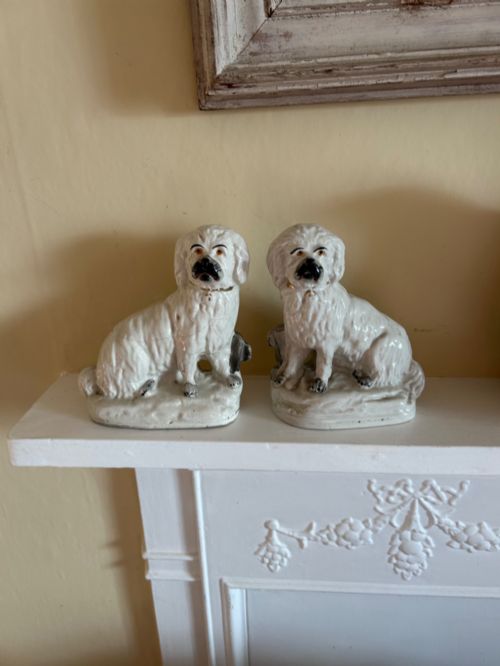


White Glaze Figurine
A white glaze figurine captures human, animal and divine subjects in lustrous ceramic, bringing tactile historic character to any interior.
White Glaze Figurine
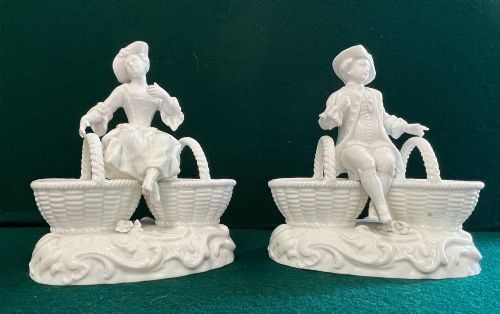
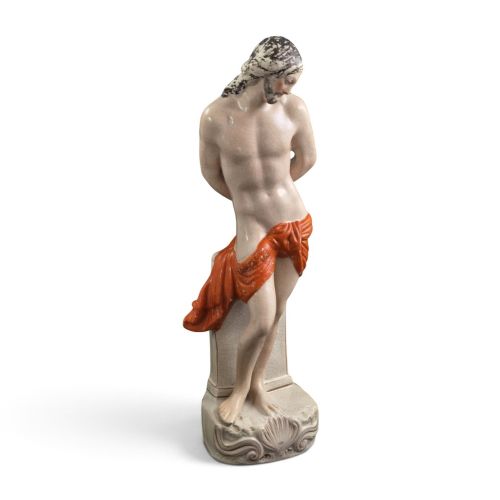
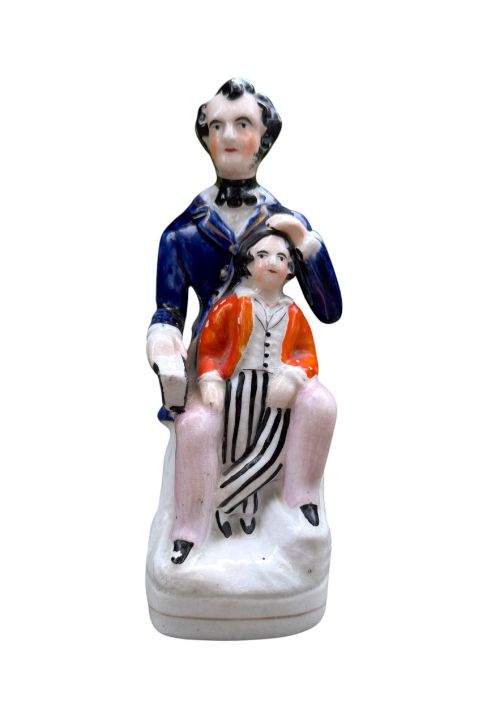
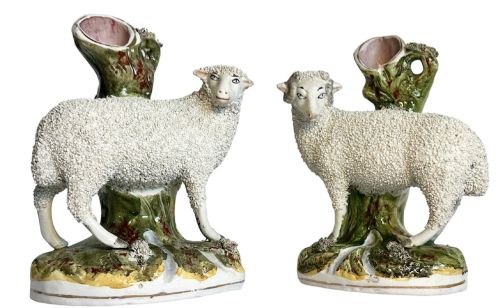
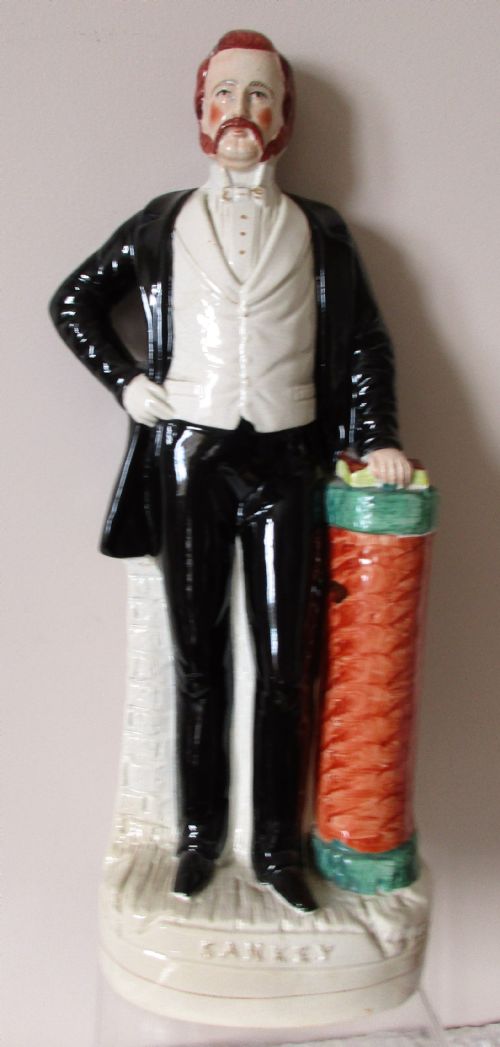
A white glaze figurine embodies sculptural ceramic artistry across several centuries, encompassing everything from utilitarian earthenware pottery to delicate porcelain statuary. When exploring this selection, buyers encounter diverse forms ranging from portrait figures and historical groups to animal pairs and spill vases.
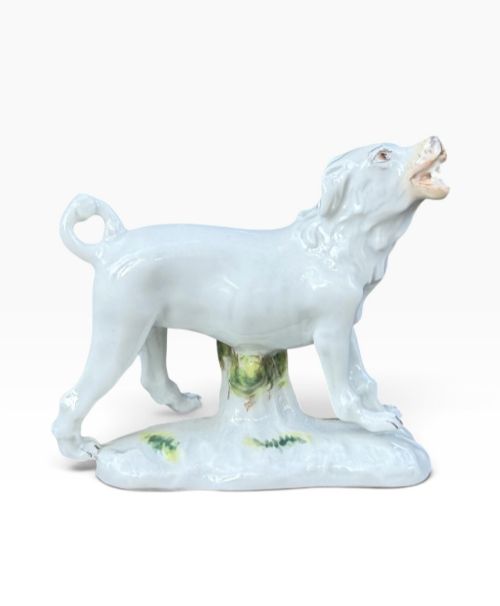
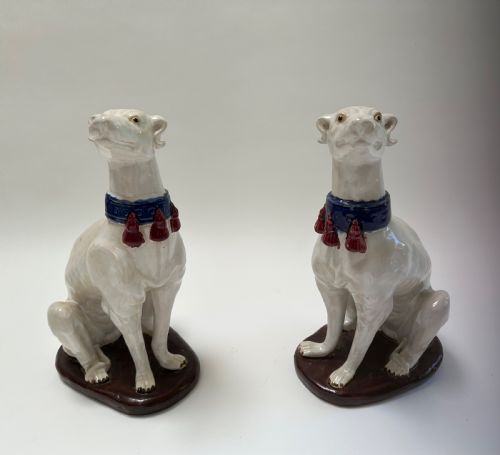
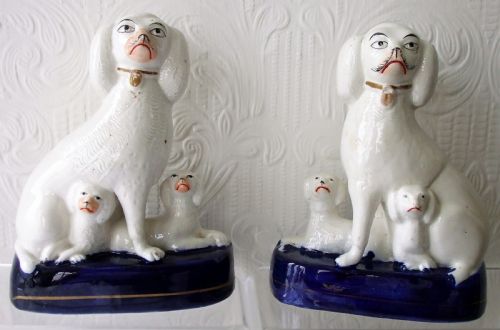
The material takes many historical shapes, including Staffordshire spaniels, German porcelain dogs, Dutch Delftware animals and French soft paste groups. These pieces span periods from the Georgian era through the Victorian epoch and into early twentieth century Art Deco design.
Animal subjects, particularly poodles, spaniels and greyhounds, appear frequently alongside human portraiture and allegorical subjects. Buyers frequently discover matched pairs designed to sit symmetrically on mantelpieces or cabinets.
Materials and methods of production
Makers utilised earthenware, porcelain, ceramic and soft paste bodies, coating them with lead glazes, enamel paints or gold leaf highlights. Firing techniques evolved from early pottery kilns to sophisticated porcelain factories, determining the final surface texture and translucency of the piece.
Potters shaped these figures using press moulds or slip casting before applying the characteristic white glaze, sometimes adding enamel details or lustre accents by hand. Subsequent kiln firings fixed the surface decoration, sealing the earthenware or porcelain body beneath a protective vitreous layer.
Poodles and spaniels gaze out eternally from mantelpieces, doubling as faithful hearthside sentinels without the need for midnight walks.
Distinctions in quality and execution
The integrity of the ceramic body and the uniformity of the glaze surface distinguish high workshop standards from utilitarian production. Crisply defined mouldings and well preserved decorative paintwork indicate superior historic craftsmanship.
Meissen·Thomas Parr·Paul Scheurich·Theo Voss·Vion and Baury
The White Glaze Figurine Glossary
- Blanc de Chine
- A French term for white porcelain originating from the Dehua kilns in China, later used to describe European white glazed porcelain figures.
- Spill vase
- A hollow ceramic figure incorporating a cylindrical holder designed to store wooden spills used for lighting fires or pipes.
- Flatback
- A Staffordshire figure moulded with a flat, undecorated rear side intended to sit flush against a wall or mantelpiece.
- Soft paste
- An early artificial porcelain body composed of clay and glass frit, fired at lower temperatures than true hard paste porcelain.
White Glaze Figurine: Frequently Asked Questions
How do I date a Staffordshire figure?
Examine the base for ventilation holes, potting style and the presence of flatback construction, which became common during the Victorian era. Earlier Georgian pieces often show different clay bodies and glazing characteristics compared to late nineteenth century output.
Historical subjects, costume details and maker marks also provide reliable clues for narrowing down the decade of manufacture.
Where were these figures displayed?
Victorian households typically placed ceramic figures and spaniel pairs on mantelpieces, sideboard tops and parlor tables for decorative effect. Spill vases served a dual function as ornaments and practical fire lighters.
Larger figural groups and porcelain animals occupied prominent positions in drawing rooms to demonstrate taste and refinement.
How should I clean my figurine?
Dust the glazed ceramic surface gently with a soft, dry brush to prevent the accumulation of dirt in recessed mouldings. Avoid harsh chemical cleaners or abrasive cloths that might damage delicate enamel paints or gold leaf highlights.
Handle porcelain and earthenware items with care, supporting the base and avoiding vulnerable extremities like ears or fingers.
Are these figures waterproof?
Many earthenware and pottery figures are porous beneath their glaze and can seep moisture if filled with water for prolonged periods. Spill vases were intended to hold dry wooden splints rather than fresh floral arrangements.
Inspect the interior of hollow pieces to determine whether the glaze fully seals the ceramic body before exposing it to liquid.