
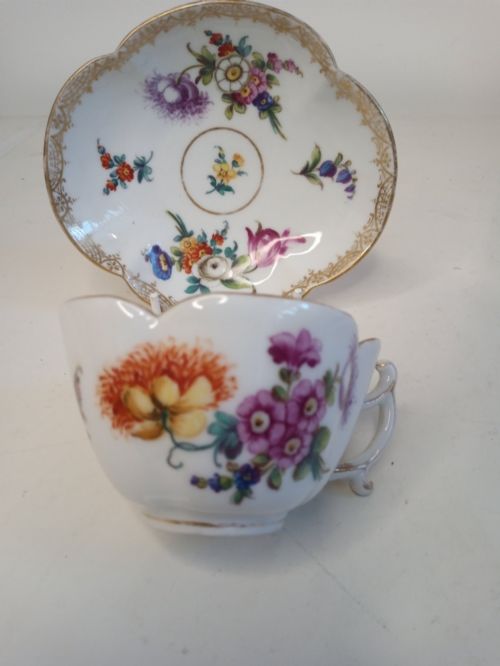


White Floral Teacup
White floral teacup examples bring hand-painted botanicals and fine ceramic bodies to the table, offering a glimpse into centuries of domestic dining tradition.
White Floral Teacup
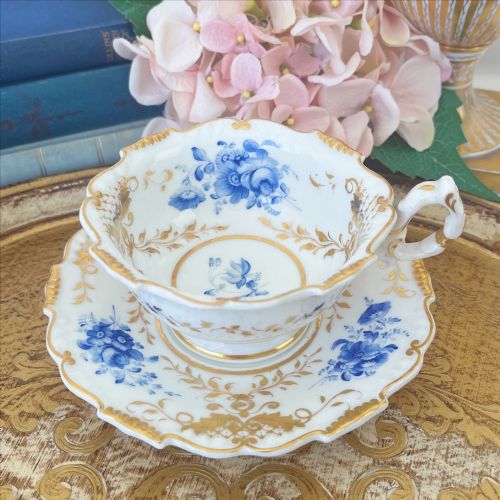
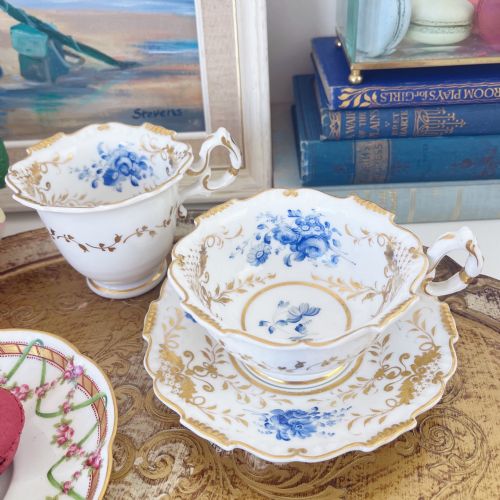
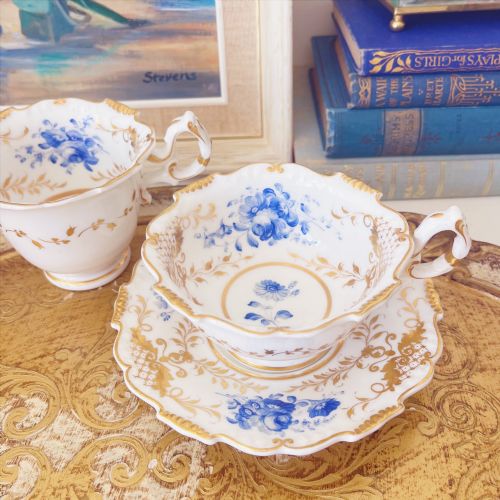
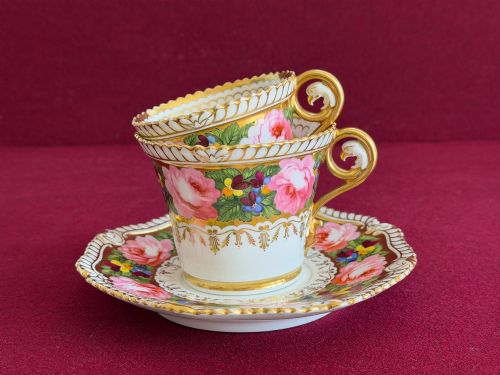
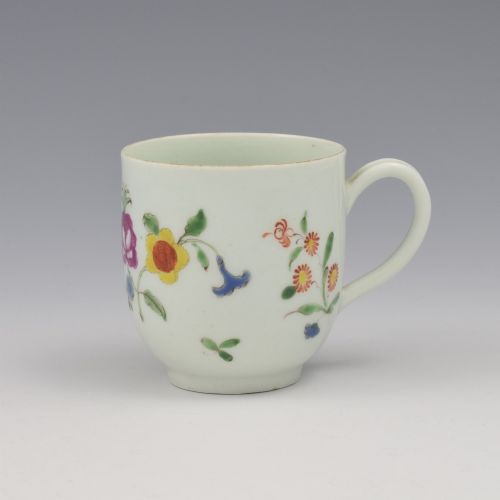
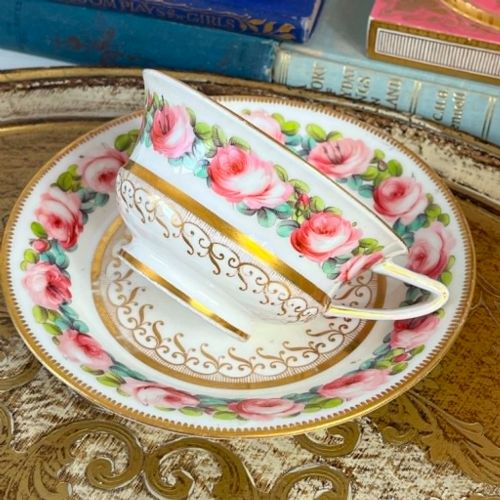
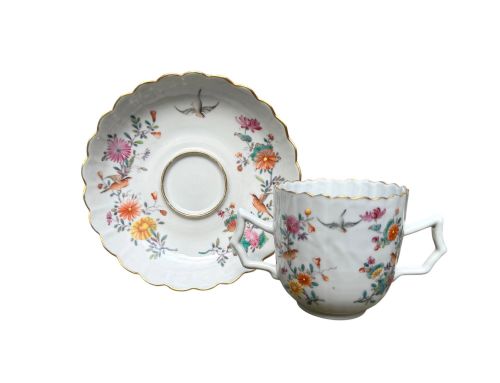
A white floral teacup brings delicate botanical illustration and pale ceramic backgrounds together, spanning forms from individual cabinet pieces to full tea sets. When searching for a white floral teacup, buyers encounter examples ranging from eighteenth-century porcelain to twentieth-century bone china.
The selections on this page draw from periods including the Georgian and Regency eras alongside later Victorian and Edwardian manufacturing. Teacups and saucers appear alongside larger tea services, breakfast sets, and demitasse cups.
Origins stretch across English potteries and continental European factories, with pieces decorated by hand-painted motifs and gilt accents. These items reflect changing domestic habits across the eighteenth, nineteenth, and early twentieth centuries.
Materials and Construction
Potters built these vessels using porcelain and bone china, shaping bodies on the wheel or casting them in moulds. Artisans applied white glazes to create smooth surfaces ready for ceramic pigments and enamel decoration.
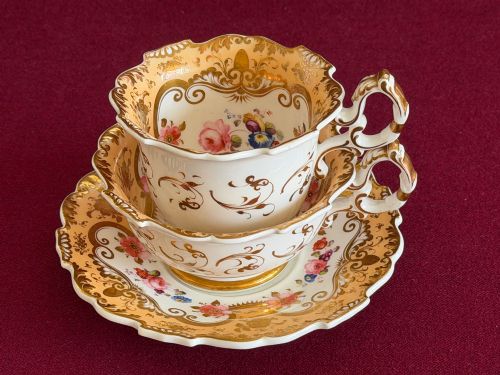
Painters executed floral subjects by hand, adding gold leaf, gilding, and gold gilt to rims, handles, and borders. Kiln firings set the enamel colours and fixed the metallic highlights to the ceramic body.
Listings feature porcelain and bone china bodies decorated with enamel, gold leaf, and gilding across the eighteenth, nineteenth, and early twentieth centuries.
Markers of Quality
Quality rests upon the fineness of the porcelain body and the skill evident in the hand-painted floral decoration. Superior pieces display crisp brushwork, balanced composition, and precise application of gold leaf or gilding.
The refinement of the potting, particularly the thinness and translucency of the china, distinguishes finer items from heavier utilitarian wares. Preservation of the enamel colours and metallic highlights over centuries also marks out superior survivals.
H and R Daniel·Chamberlain Worcester·Richard Chaffers·Coalport·Royal Albert·Meissen·Yates·Minton·Wileman Foley Shelley·Hirsch Dresden·KPM
The White Floral Teacup Glossary
- Bone china
- A type of porcelain containing bone ash, known for its strength, milky white colour, and translucency. It allowed makers to produce thinner and more delicate vessel walls.
- Demitasse
- A small cup used for serving strong black coffee, typically paired with a matching saucer. These cups often feature elaborate hand-painted floral or gilt decoration.
- Gilding
- The application of gold leaf or gold paint to ceramic surfaces, used to highlight rims, handles, and borders. High-quality gilding shows depth and remains bright after firing.
- Famille rose
- A palette of opaque enamel colours dominated by pink, introduced to Chinese porcelain in the eighteenth century. This style influenced European factories producing floral wares.
- Trio
- A matching set comprising a teacup, a coffee cup and a saucer, or a teacup, saucer and tea plate. They were popular components of nineteenth-century tea services.
White Floral Teacup: Frequently Asked Questions
Were these teacups meant for everyday use?
Many eighteenth and nineteenth-century teacups were produced for wealthy households to use during formal social gatherings. Finer cabinet cups served a decorative function rather than practical dining.
Tea services often formed part of larger domestic dining sets reserved for guests or special occasions. Over time, changing domestic habits shifted these items from daily utility to display and collection.
How can I tell the period of a teacup?
Examine the paste, glaze characteristics, and potting weight, as eighteenth-century porcelain often differs in translucency from Victorian bone china. Shape profiles and handle designs also shift noticeably between the Georgian era and the Edwardian period.
Maker marks, where present on the base, provide direct evidence of the factory and active dates. Hand-painted pattern numbers can further narrow down the manufacturing decade.
What is the difference between a teacup and a coffee cup?
Historical tea and coffee cups often formed part of trios, where the coffee cup featured a deeper, straighter cylindrical profile. Teacups typically possessed a wider, shallower bowl suited to cooling tea before drinking.
Coffee cups designed for demitasse service were smaller still, intended for concentrated brews. Handle shapes also varied, with coffee cups frequently featuring simpler loop handles.