
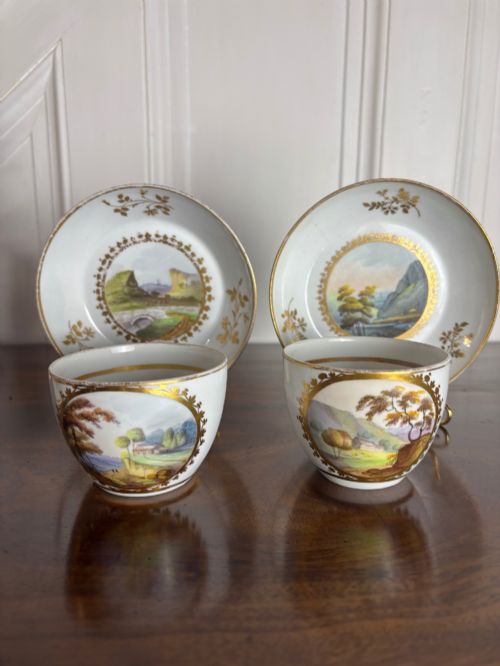


English China Teacup
An english china teacup carries centuries of domestic elegance, offering a tangible link to Georgian, Regency and later tea rituals.
English China Teacup
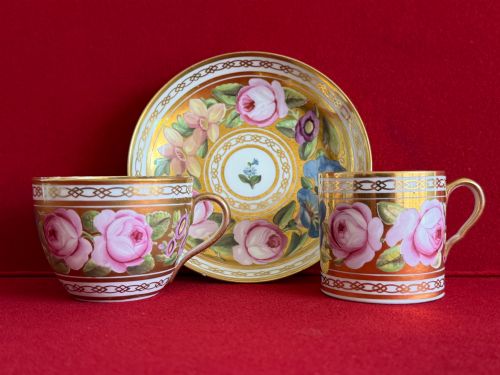
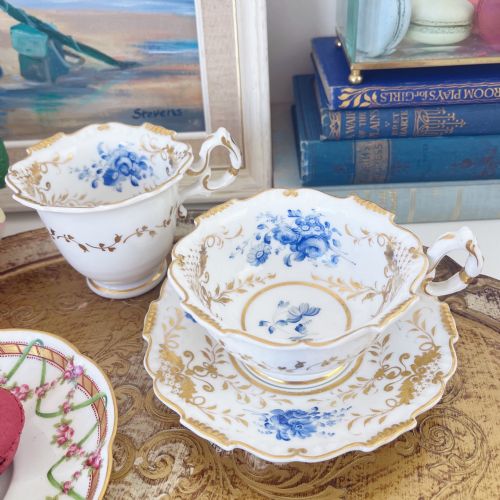
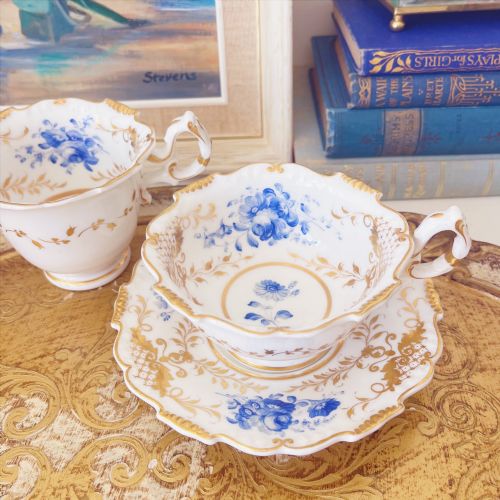
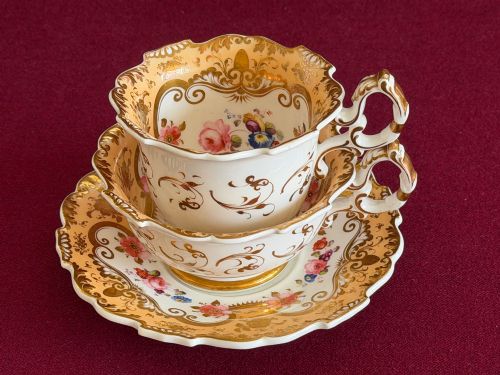
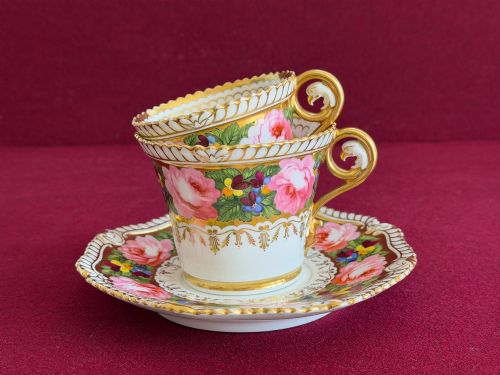
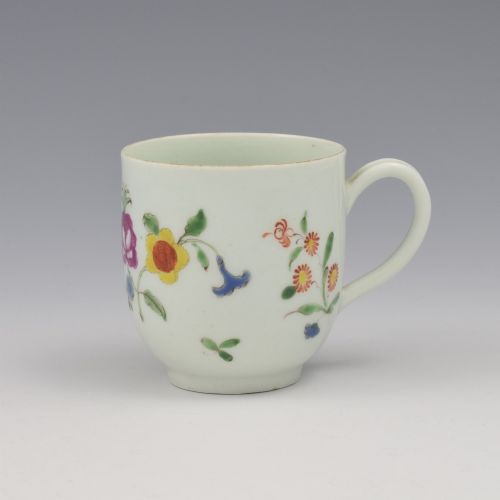
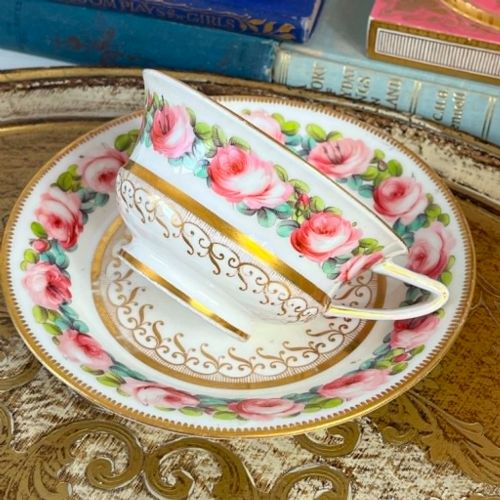
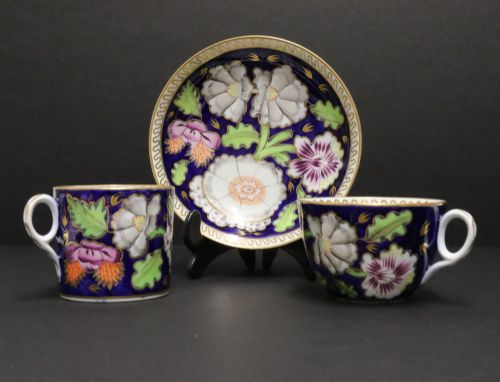
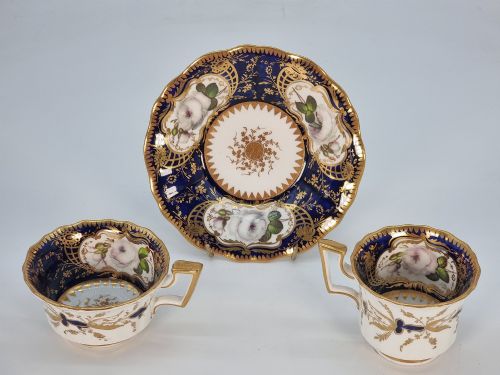
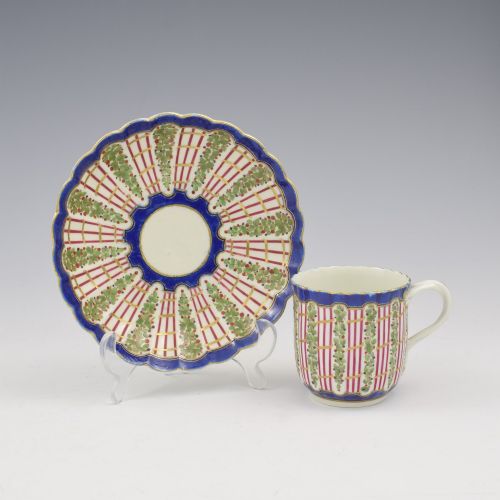
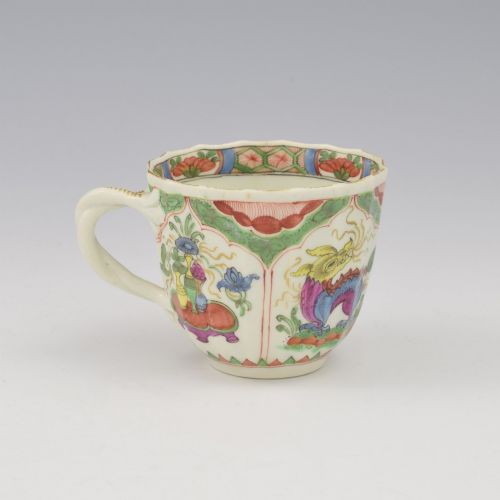
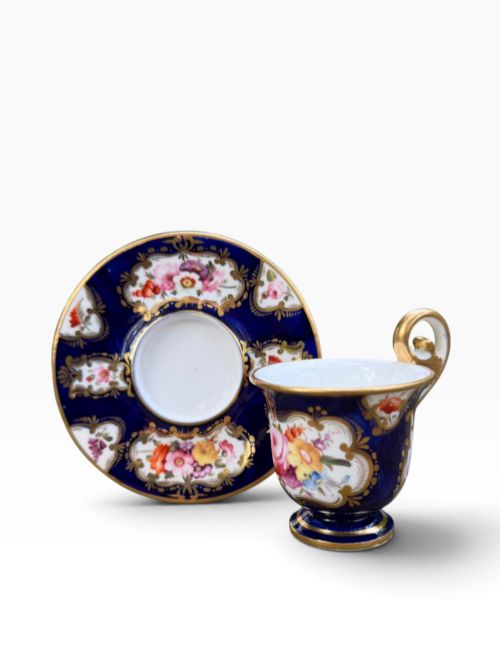
An english china teacup encompasses delicate vessels and matching saucers, trios and services designed for hot beverages. The pieces seen here span from the eighteenth century through the georgian, regency, victorian and edwardian eras into the nineteen-thirties.
Collectors frequently encounter forms ranging from simple tea bowls to elaborate cabinet trios and full afternoon tea sets. Prominent factories such as worcester, coalport and daniel dominate the selections across these periods.
How they were made
Potters utilised porcelain, soft-paste porcelain and bone china as the primary bodies for shaping these vessels. Techniques combined thrown or moulded forms with handpainted enamels and delicate gilding.
Gold leaf and rich ground colours were applied by hand, often requiring multiple firings to fix the intricate patterns and gilded details securely onto the ceramic surface.
Listings feature bone china and porcelain forms decorated with gold leaf, enamel and handpainted landscapes.
What varies in quality
The standard of painting and the crispness of the porcelain paste separate standard domestic wares from high cabinet pieces. Skilled brushwork in specialised patterns demonstrates superior artistry by named decorators.
Complexity of shape, such as fluting or bespoke moulding, alongside the richness of the gilding and enamel preservation, dictates the overall standing of an individual cup or saucer.
John Rose Coalport·H and R Daniel·Chamberlain Worcester·Richard Chaffers·Flight Barr and Barr·Royal Worcester·Royal Albert
The English China Teacup Glossary
- Trio
- A matched set consisting of a teacup, coffee cup or saucer, and a tea plate. These groupings were popular during the georgian and regency periods for formal hospitality.
- Tea bowl
- A handleless drinking vessel derived from chinese porcelain imports. Early eighteenth-century english ceramics frequently replicated this traditional oriental form.
- Soft-paste porcelain
- An artificial ceramic compound fired at lower temperatures than hard-paste porcelain. It produces a warm, creamy body common in early english factories.
- Gilding
- The application of gold leaf or liquid gold to ceramic surfaces for decoration. High quality examples feature heavy burnished gold detailing.
- Fluting
- Vertical grooves or channels moulded into the body of a cup or saucer. This technique added structural strength and visual texture to porcelain wares.
English China Teacup: Frequently Asked Questions
What is a tea trio?
A tea trio combines a teacup, saucer and matching plate for serving. These sets formed a standard part of eighteenth and nineteenth century tea ware.
They allowed hosts to serve guests with a coordinated service during formal afternoon tea gatherings.
How do I date an english teacup?
Dating relies on factory marks, ceramic body composition, and decorative styles. Georgian pieces often show soft-paste porcelain, while later Victorian items use bone china.
Shape and handle design also change distinctively between the eighteenth century and the edwardian era.
Can I use antique teacups?
Most collectors display these delicate porcelain pieces rather than use them daily. Early glazes and handpainted enamels can wear down with frequent washing and hot liquids.
Gentle handling preserves the fragile gold leaf and intricate painted scenes found on cabinet items.
Why are some cups handleless?
Early tea bowls followed Chinese ceramic traditions where handles were omitted. Drinking hot tea from a handleless bowl required cupping the vessel carefully in the hands.
Handles became standard on english teacups as local manufacturing styles evolved through the georgian period.