
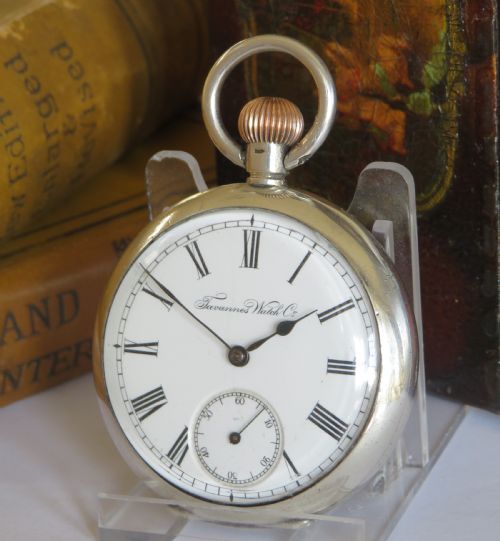
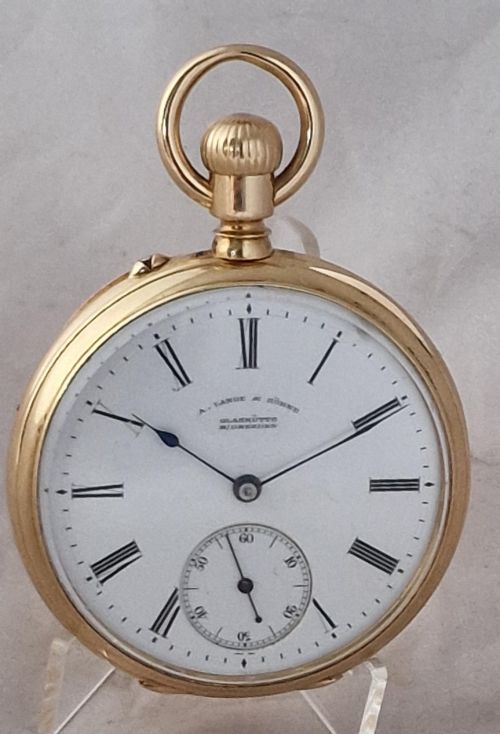
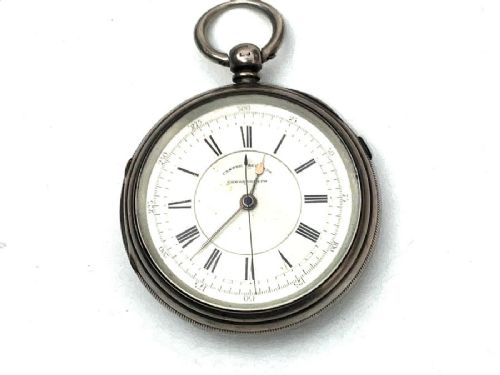
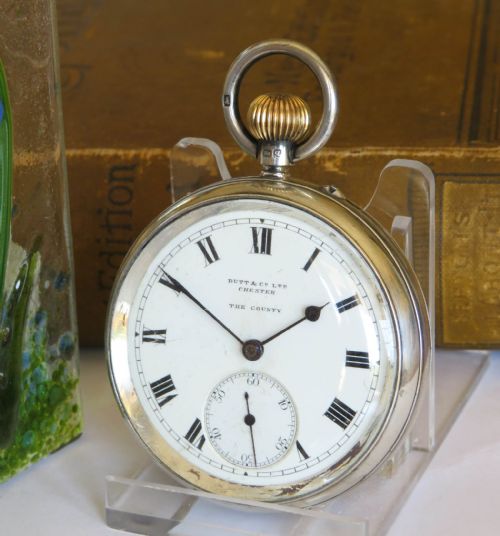
White Enamel Fob Watch
These white enamel fob watch pieces combine precise mechanical timekeeping with clean dial aesthetics, offering both historical utility and classic pocket wear.
White Enamel Fob Watch
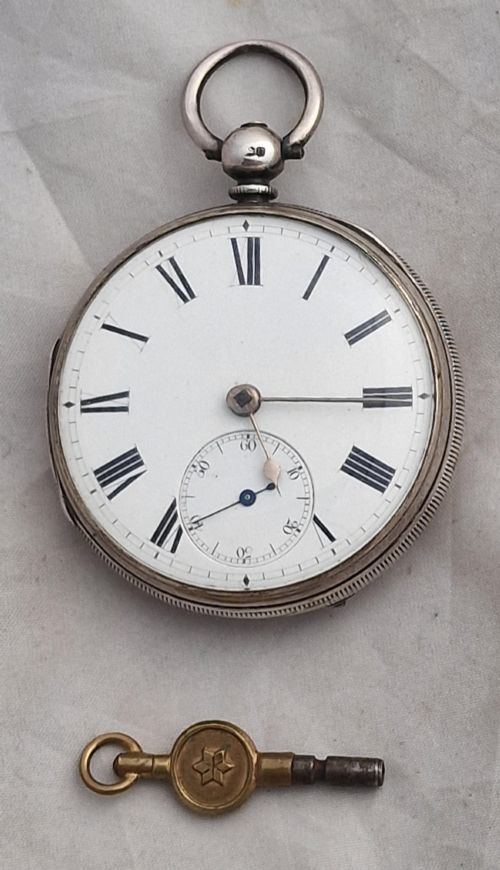
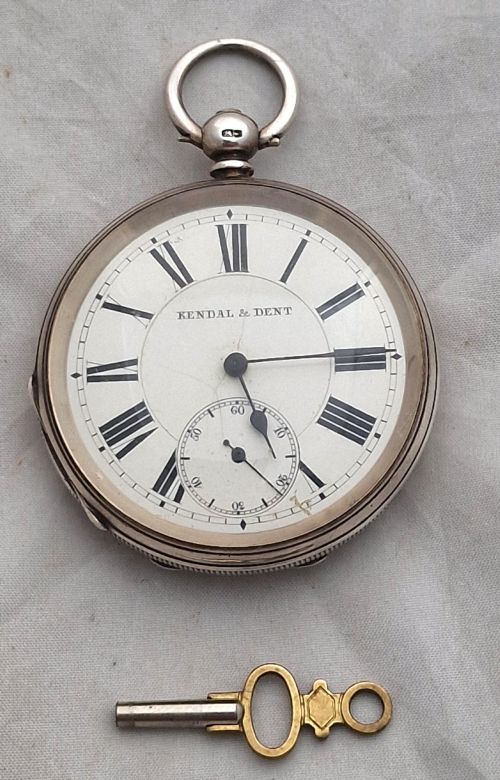
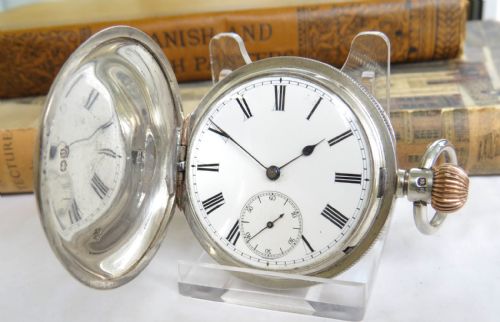
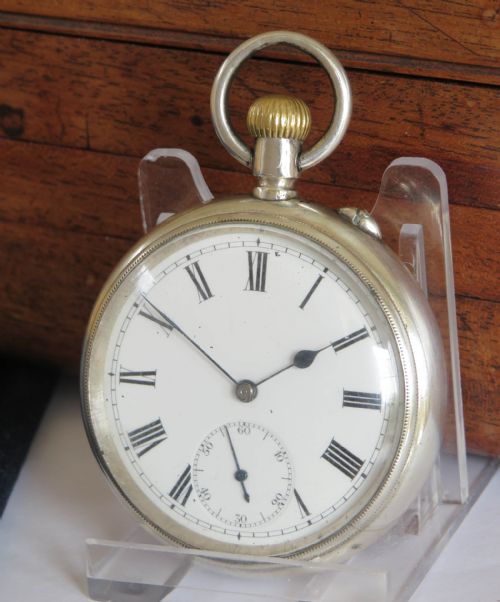
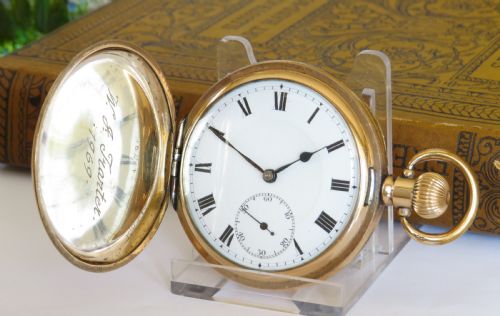
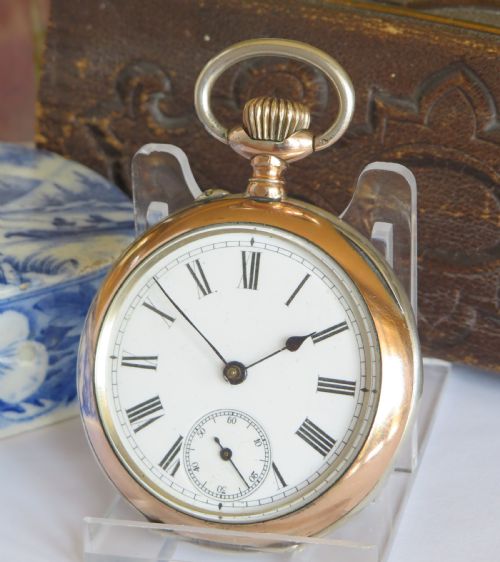
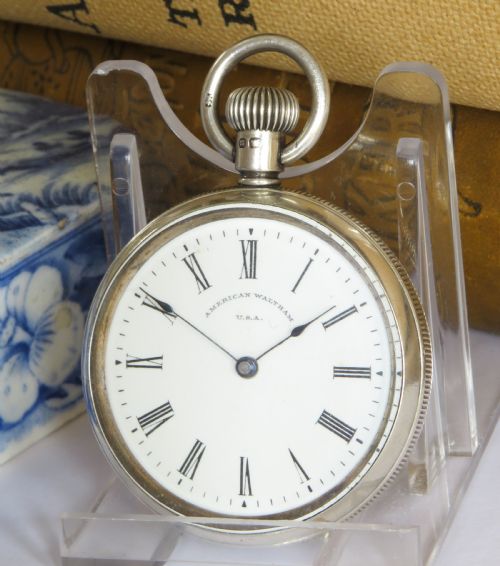
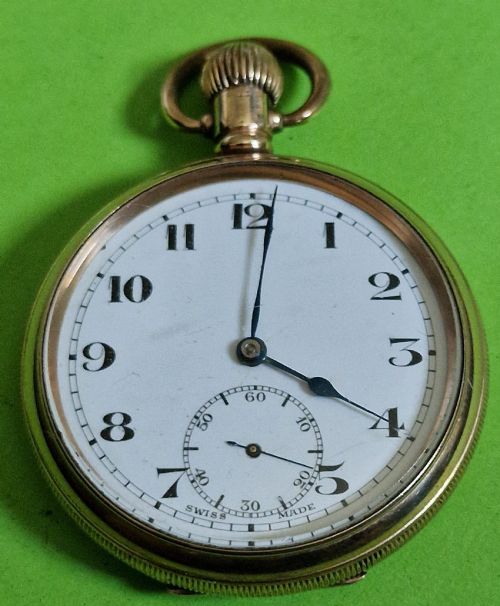
When you search for a white enamel fob watch, you enter a field defined by pocket-worn timepieces spanning the Victorian, Edwardian, and Art Deco periods. These items range from open-faced designs to full hunter and half hunter configurations intended for portable timekeeping.
The pieces appearing in this category originate from decades between the late nineteenth century and the 1930s. They represent various European and American horological traditions produced across multiple eras.
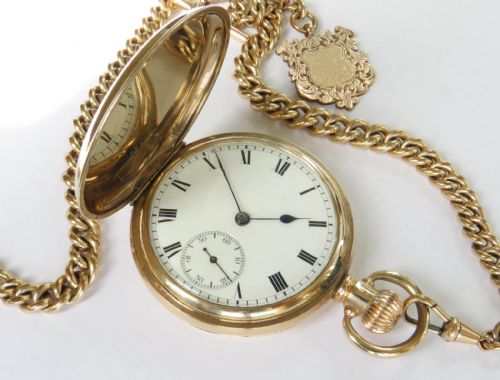
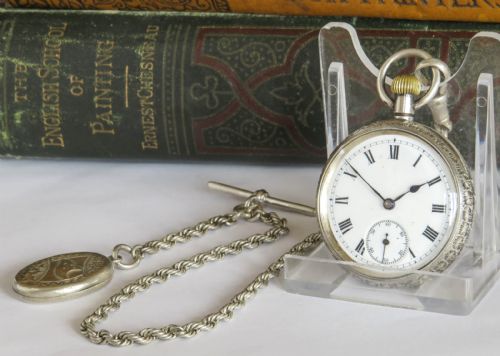
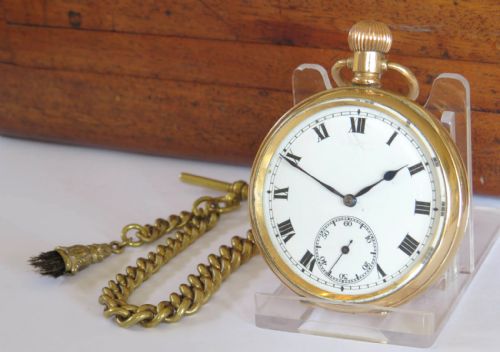
Buyers will encounter these objects paired with silver albert chains or gold filled housings, reflecting their traditional daily use on waistcoats and lapels.
Materials and construction
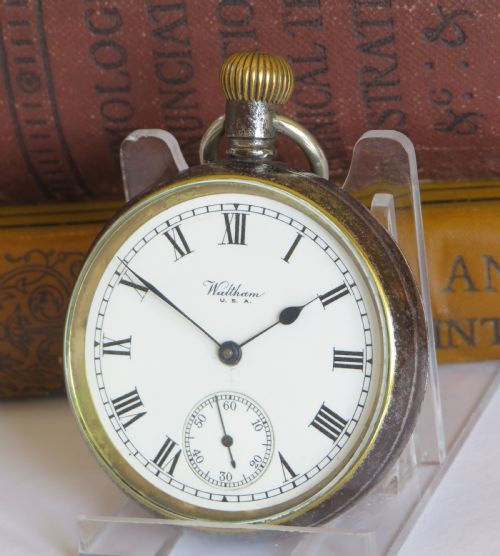
The construction of these pieces relies on metal housings formed from silver, gold plate, gold filled compositions, brass, nickel, and steel, paired with protective glass crystals. Enamel provides the smooth white surface for the dial faces, fused onto metal substrates to create crisp marker grounds.
Internal movements incorporate intricate brass and steel mechanical components driven by button wind or fusee mechanisms. Skilled watchmakers housed these delicate gear trains within sturdy outer cases designed to withstand daily handling.
Many of these timepieces still tick with the exact rhythm that once made Victorian commuters rush for their morning trains.
Distinctions in quality
Quality differences emerge in the fineness of the metal cases, ranging from standard nickel and brass to solid gold and hallmarked silver. Superior examples feature complex mechanical movements with higher jewel counts and refined finishing by established makers.
The integrity of the white enamel dial surface further separates tiers of execution, alongside the precision and responsiveness of the internal gear work during winding.
Kendal & Dent·Lange & Sohne·Longines·Waltham·Stauffer
The White Enamel Fob Watch Glossary
- Fob watch
- A small pocket watch designed to be attached to a ribbon or chain called a fob. These items were widely carried in pockets or pinned to garments.
- Full hunter
- A pocket watch featuring a spring-loaded metal cover that snaps shut to protect the glass dial. This casing style shields the face from scratches during daily wear.
- Fusee
- An antique conical pulley mechanism used in older pocket watches to equalize the diminishing power of the mainspring as it unwinds. It ensures even tension for more accurate timekeeping.
- Half hunter
- A pocket watch case featuring a small glass window or central aperture in the outer cover. This allows the wearer to read the hands without opening the case entirely.
- Silver albert chain
- A decorative metal chain attached to a pocket watch, named after Prince Albert. It threads through waistcoat buttonholes to secure the timepiece against drops.
White Enamel Fob Watch: Frequently Asked Questions
What is the difference between open faced and hunter watches?
Open faced designs expose the glass crystal and dial directly to the air without a protective metal lid. This allows for immediate time checking at a glance.
Hunter models enclose the dial behind a hinged metal cover that springs open via a button release. This added shell provides extra security against impact.
How do I wear a fob watch today?
These timepieces slide easily into waistcoat or jacket pockets while secured by an attached chain fastened to a buttonhole. They also suspend comfortably from lapel pins on tailored garments.
Modern collectors often store them safely in padded display pouches or use specialised desktop stands. Their compact scale makes them adaptable for various display methods.
How do I identify Victorian pieces from later eras?
Victorian examples often display ornate hand-engraved silver cases and traditional fusee movements characteristic of nineteenth-century British workshops. Hallmarks stamped inside the case metal provide exact assay office dates.
Later Edwardian and Art Deco pieces transition toward cleaner geometric dial layouts and standardised Swiss or American movements. These shifts reflect evolving industrial manufacturing techniques of the early twentieth century.