

Antique Pocket Watches Silver
These antique pocket watches silver selections span Victorian workhorses to mid-century military pieces, offering solid silver construction and mechanical utility for daily carry.
Antique Pocket Watches Silver
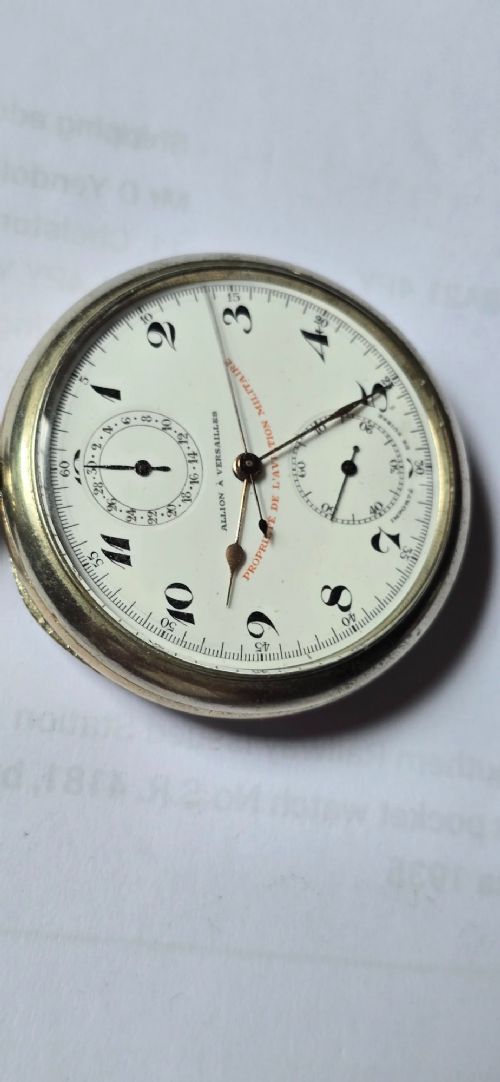
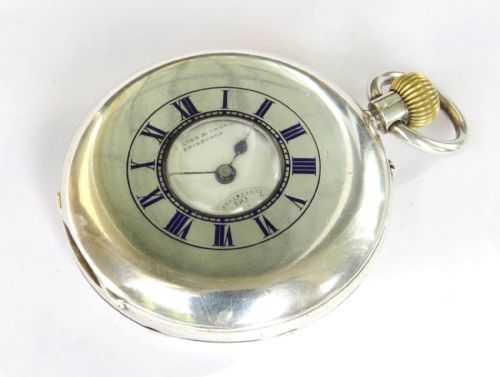
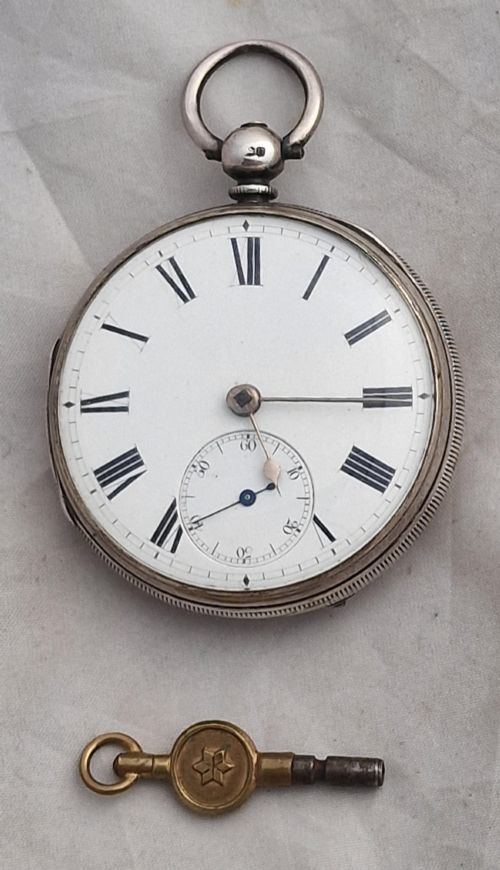
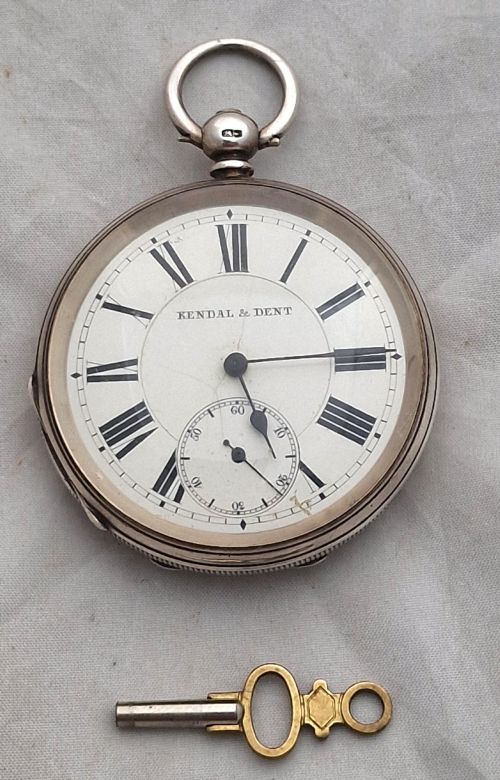
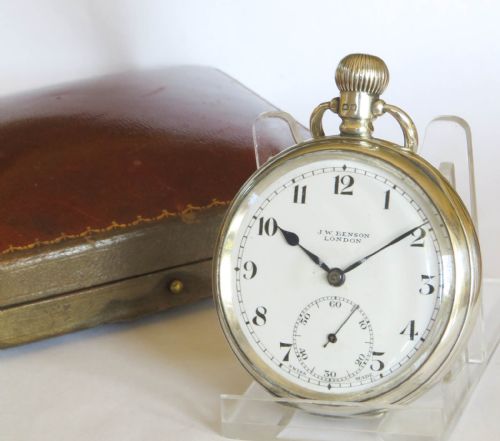
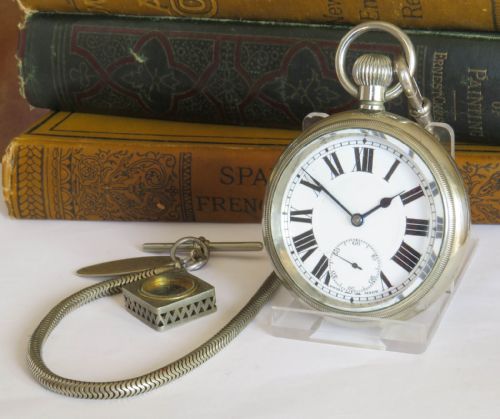
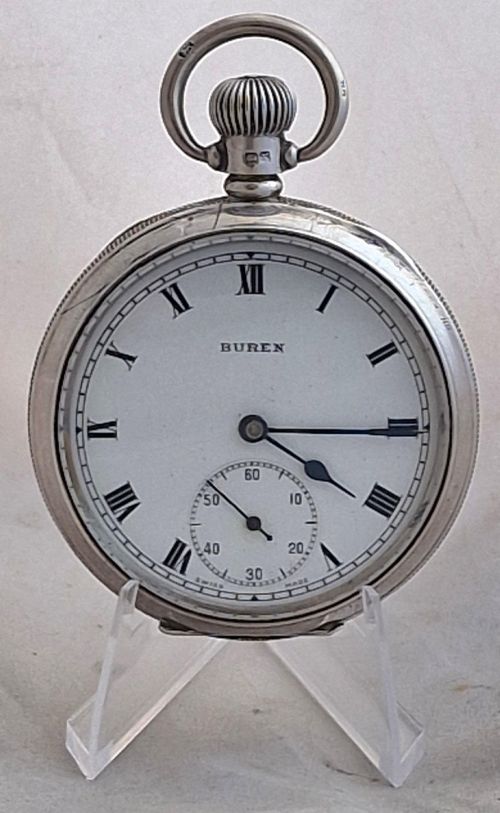
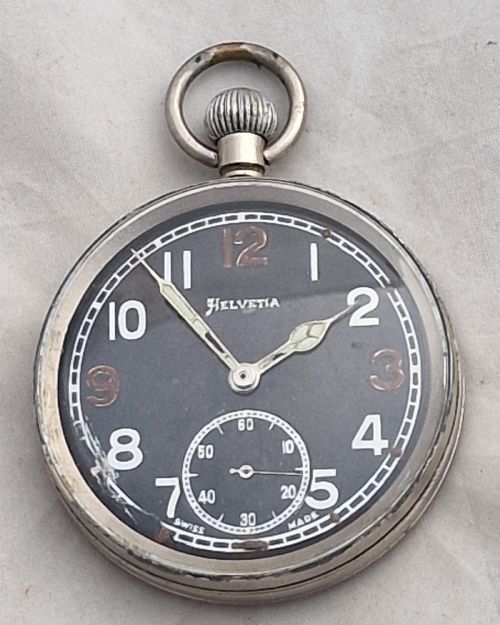
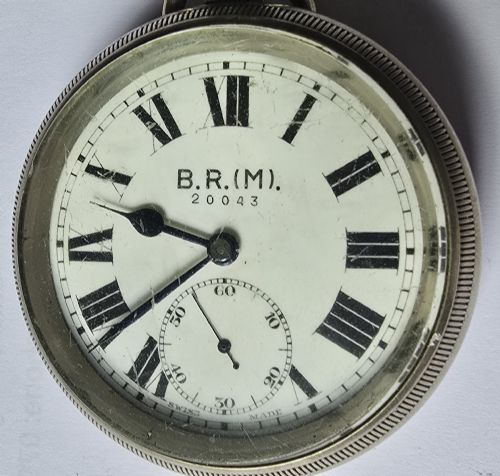
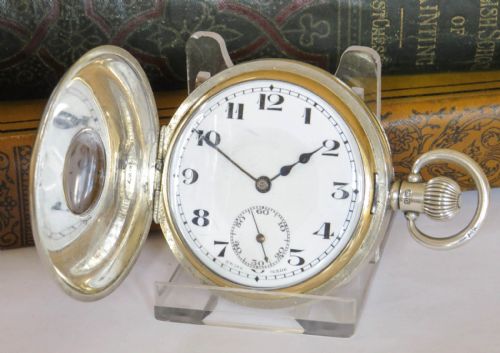
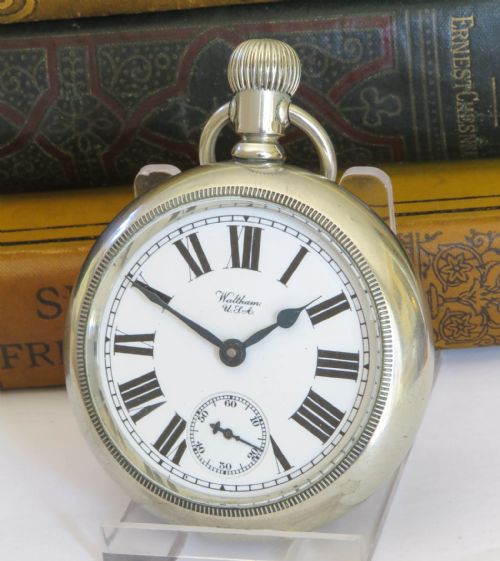
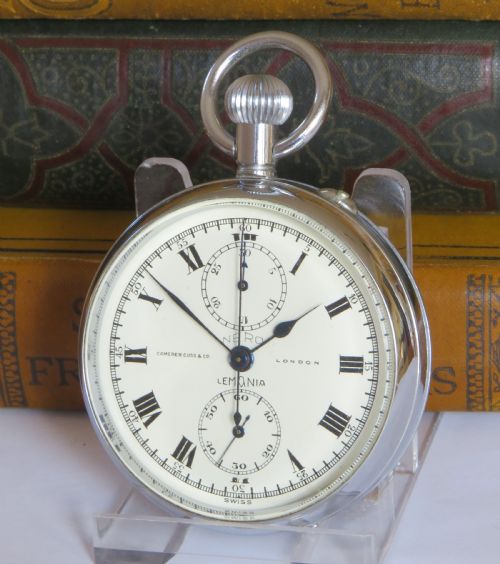
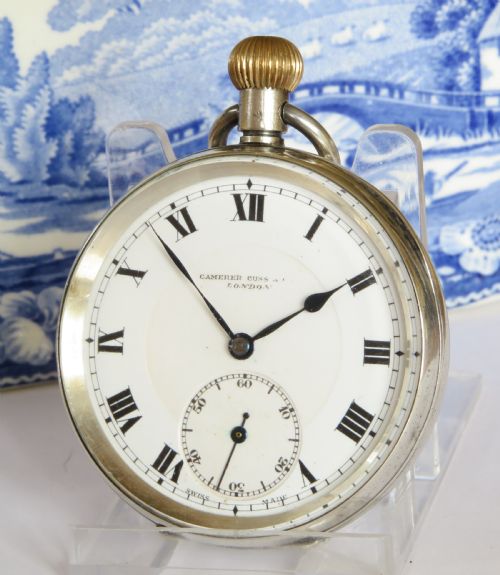
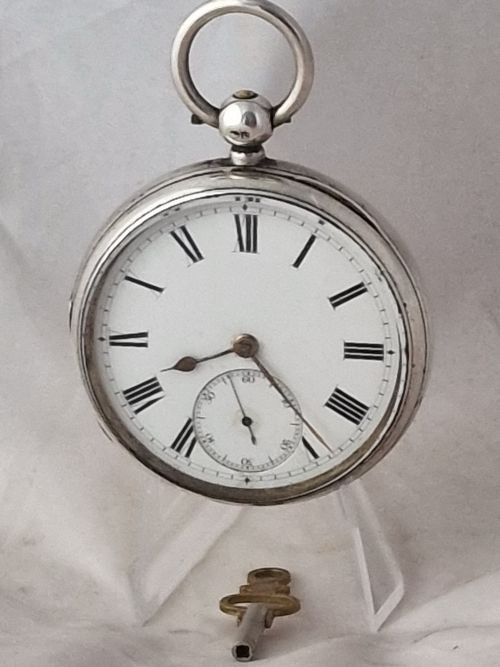
When you search for antique pocket watches silver, you encounter timepieces housed in sterling silver or standard silver cases, often accompanied by matching chains, fobs or sovereign cases. The specimens on this page range from Victorian fusee models and Edwardian half hunters to 1920s chronographs and military issues.
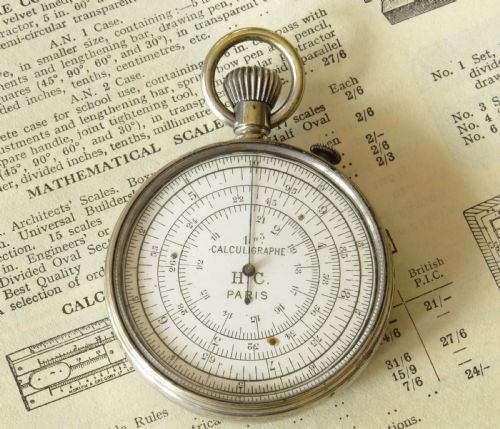
The assortment includes pocket watches alongside related items such as watch chains, double sovereign cases and scientific calculators made in silver, brass, steel and nickel. Most pieces date from the late nineteenth century through to the mid-twentieth century, reflecting diverse makers and regional railways.
Materials and Construction
Cases are formed predominantly from silver and sterling silver, sometimes accented with glass crystals over the dial and enamel details on military or presentation pieces. Internal movements rely on brass, steel and nickel components assembled by horologists.
Associated watch chains and fobs utilise sterling silver links, dog clips and T-bars, constructed to secure the timepiece to a waistcoat or jacket buttonhole.
Listings feature periods spanning from the Victorian era and 1880 through to 1950, incorporating silver, sterling silver, steel, brass and enamel.
Variations in Quality
Quality rests in the precision of the movement and the crispness of the case hallmarks, alongside the complexity of complications such as chronographs or half hunter hinged covers. Pieces bearing signatures from established makers or railway companies display finer finishing on the internal bridges and dials.
The integrity of the silver case, the presence of matching albert chains and original fobs, and the legible preservation of enamel dials distinguish standard utility timepieces from presentation pieces and specialised military equipment.
Kendal and Dent·Hinds London·J W Benson·Buren·Guinand·Waltham·Nero Lemania·Camerer Cuss·Aaron Lufkin Dennison·Record·Limit Revue·Elgin·Tavannes·Cyma·Octava
The Antique Pocket Watches Silver Glossary
- Half Hunter
- A pocket watch featuring a case with a glass-centred outer cover that allows the user to read the hands without opening the case.
- Fusee
- A conical pulley mechanism used in older watches to maintain even tension on the gear train as the mainspring unwinds.
- Albert Chain
- A silver chain attached to a pocket watch, traditionally secured through a buttonhole with a T-bar.
- Chronograph
- A timepiece equipped with a sweep seconds hand that can be started, stopped and reset to zero for timing events.
- Sovereign Case
- A small metallic container designed to hold gold sovereign coins, frequently suspended from a watch chain.
Antique Pocket Watches Silver: Frequently Asked Questions
How do I wind an antique pocket watch?
Most pieces require you to gently rotate the crown clockwise until you feel resistance. Older fusee models may use a separate key inserted into the dial or back plate.
Avoid overwinding the spring, as this can damage the internal gearing. Stop turning the moment the mainspring reaches its tension limit.
What is an albert chain used for?
An albert chain connects a pocket watch to a waistcoat or jacket. The T-bar slips through a buttonhole while the watch rests safely in the pocket.
Chains often feature attached fobs, medallions or sovereign cases, adding weight and decorative flair to the setup.
How do I tell a hunter from an open face watch?
An open face watch has the dial exposed directly behind the glass crystal without any metal cover. You can check the time instantly with a glance.
A hunter watch has a spring-loaded metal lid that protects the dial, requiring you to press a crown button to pop the cover open.
Can I wear these watches every day?
Many mechanical pieces remain reliable for daily wear if handled with care. Keep them away from moisture and strong magnetic fields.
Regular servicing by a professional horologist ensures the brass and steel gears continue to run accurately.