

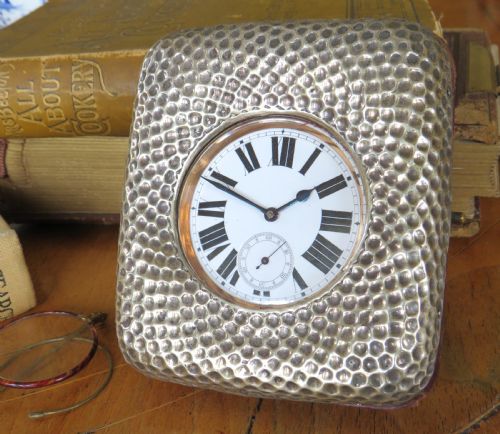


White Dial Clock
A white dial clock offers a clear, legible face set within periods ranging from the eighteenth century to the twentieth.
White Dial Clock
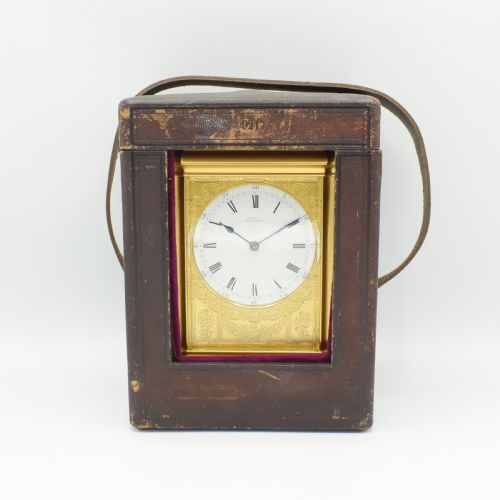
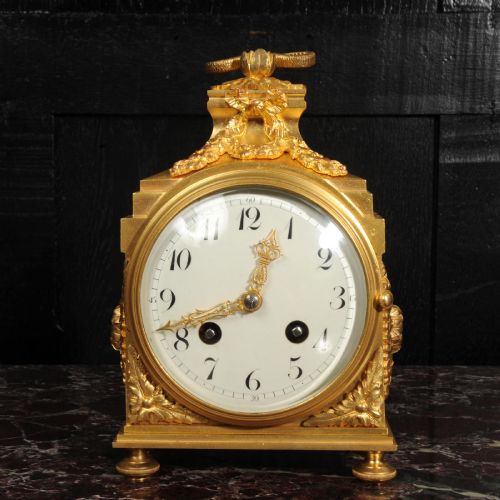
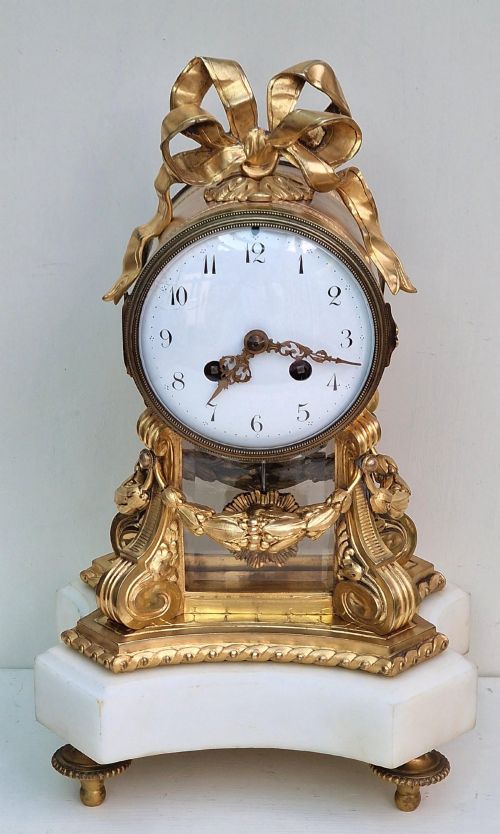
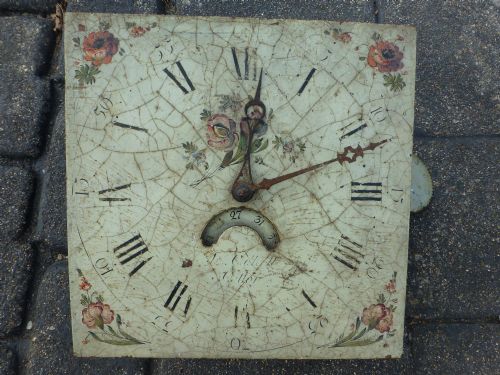
A white dial clock encompasses diverse forms including carriage clocks, wall clocks, mantel clocks, and architectural faces from French, British, and maritime origins. When exploring a white dial clock, buyers encounter examples spanning the Georgian, Victorian, and Edwardian eras, constructed from materials like brass, marble, mahogany, and iron.
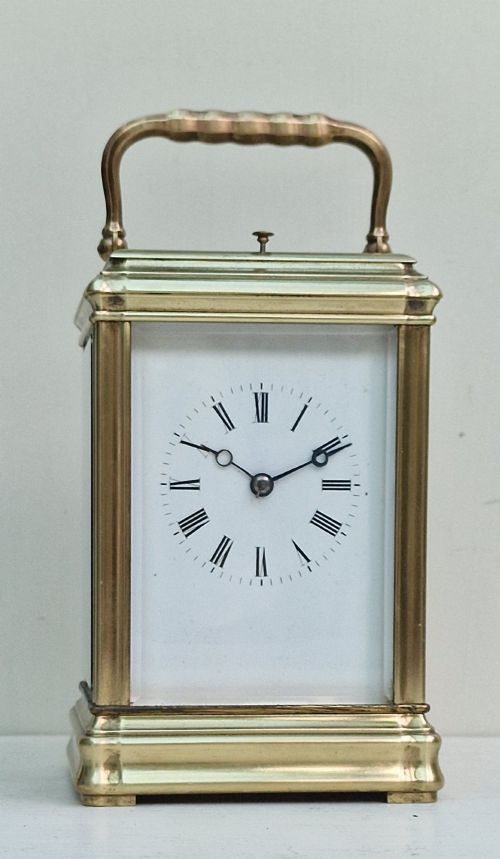
The most common variants on this page are French carriage clocks and nineteenth-century mantel clocks featuring white enamel or porcelain dials. These pieces reflect periods from the eighteen-eighties to nineteen-hundred, housed in brass, gilt brass, or ormolu cases.
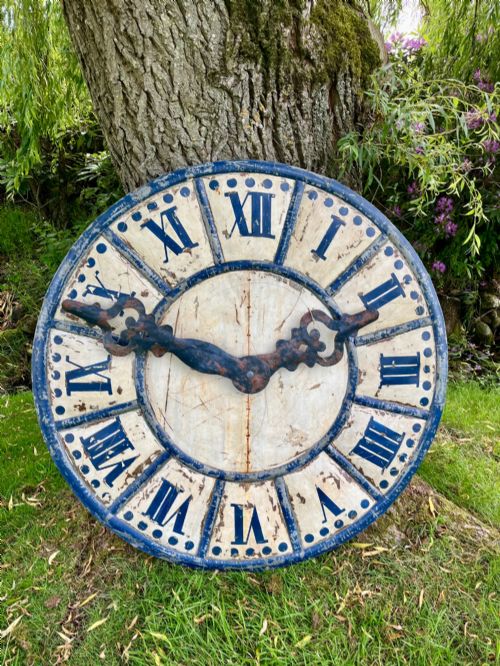
Wall-mounted variants such as fusee dial clocks and bulkhead clocks also appear frequently alongside larger tower clock faces and miniature travel pieces. Each white dial clock demonstrates the functional shift toward clear legibility across domestic, maritime, and public spaces during the nineteenth and early twentieth centuries.
Materials and construction methods
Makers constructed these clocks using robust metallic housings of brass, ormolu, steel, and iron, frequently paired with mahogany or rosewood cabinetry. White dials were predominantly formed from enamel on copper, painted metal, or white wood, fired or lettered to achieve high contrast against black numerals.
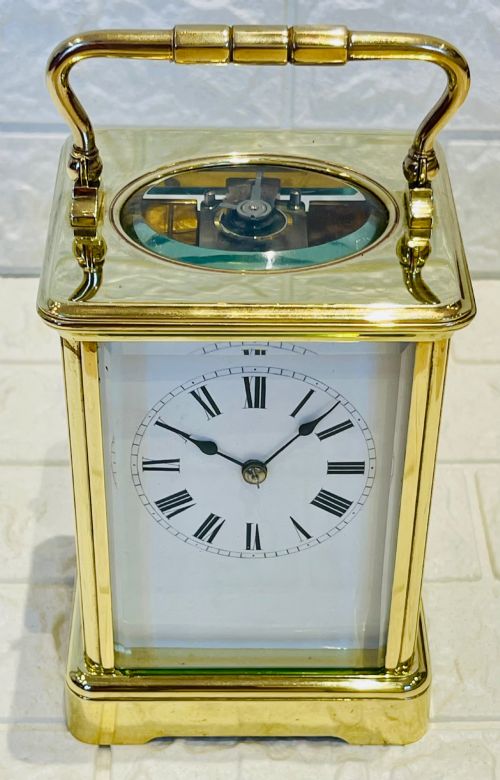
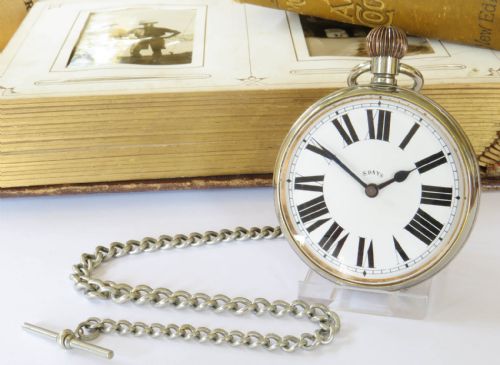
Movements relied on brass gear trains, often featuring platform escapements, fusee mechanisms, or bell-striking complications. Glass panels protected delicate dials, particularly in carriage clocks and pocket watch formats, allowing visibility of the internal mechanics from multiple angles.
White Dial Clock Retail Price Guide 2026
Typical asking prices for white dial clock among the pieces listed under this phrase on Sellingantiques today, from the lower quarter to the upper quarter. They describe what is for sale here now, not the wider market.
Wall-mounted fusee dial clocks and portable carriage clocks dominate the domestic timepieces recorded here.
Evaluating craftsmanship and condition
Quality separates through the crispness of dial lettering, the density and execution of the brass or ormolu casting, and the complexity of the movement. Pieces with repeating mechanisms, alarm complications, or engraved gorge cases represent finer workshop standards than standard time-only models.
The preservation of the original white enamel dial without hairline fractures or professional repainting elevates a piece. Superior examples retain matching serial numbers across components and demonstrate refined finishing on internal escapements and striking trains.
Pickford of London·Edward White Birmingham·Sacre·Delépine-Barrois·Gontard & Bolviller Paris·Paul Garnier·Thomas Field of Bath·Samuel White Bideford
The White Dial Clock Glossary
- Carriage clock
- A portable spring-driven clock designed for travel, typically featuring a brass frame with glass panels.
- Fusee movement
- A conical pulley mechanism that ensures even tension on the mainspring as it unwinds, improving timekeeping accuracy.
- Enamel dial
- A fused glass surface applied to a metal base, providing a durable and bright white background for clock numerals.
- Platform escapement
- A small, self-contained escapement unit mounted on the balance wheel bridge, common in nineteenth-century French clocks.
- Ormolu
- Gilt bronze decoration applied to clock cases, providing a rich golden finish characteristic of French decorative arts.
White Dial Clock: Frequently Asked Questions
What is a carriage clock?
A carriage clock is a small, portable spring-driven timepiece originally designed for officers and travellers during the nineteenth century. These clocks are housed in brass frames with glass sides that allow the movement to be seen.
Most examples sit on small feet and feature a swinging handle on top. They often include striking or repeating mechanisms and white enamel dials.
How do fusee movements work?
A fusee movement uses a conical pulley connected to the mainspring by a cord or chain. This clever design compensates for the diminishing power of the mainspring as it unwinds.
By equalising the driving force delivered to the gear train, the clock maintains a more consistent rate throughout its running period.
How are nineteenth-century clocks dated?
Dating these clocks involves examining maker signatures, serial numbers, case styles, and mechanical signatures. French movements often stamp maker marks and numbers on the backplate.
Stylistic cues such as ormolu mount designs, dial typography, and wood types also help narrow down the period of manufacture.
How should I care for an antique clock?
Antique clocks require stable room environments away from direct sunlight, excessive moisture, and rapid temperature changes. Regular professional servicing keeps the brass pivots and gear trains clean and properly lubricated.
When winding or moving the clock, handling the case gently prevents damage to delicate escapements and glass panels.