


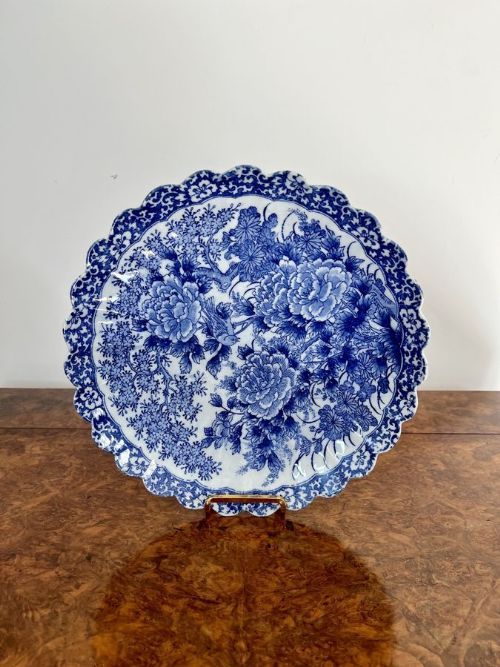

White Ceramic Decorative Plate
These white ceramic decorative plate options span centuries of international ceramic artistry, offering collectors everything from tin-glazed earthenware chargers to delicate porcelain cabinet services.
White Ceramic Decorative Plate
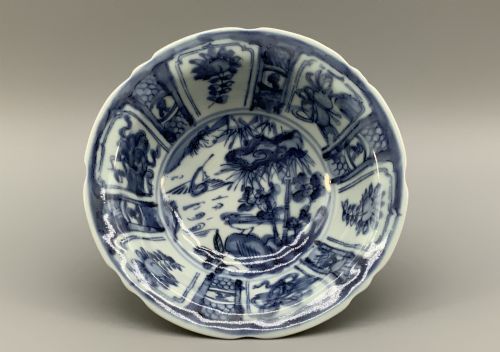
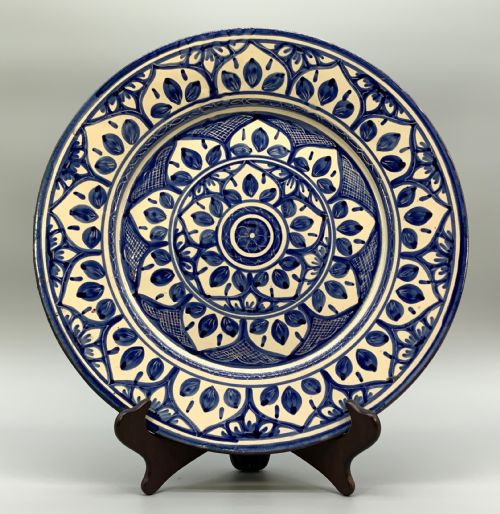
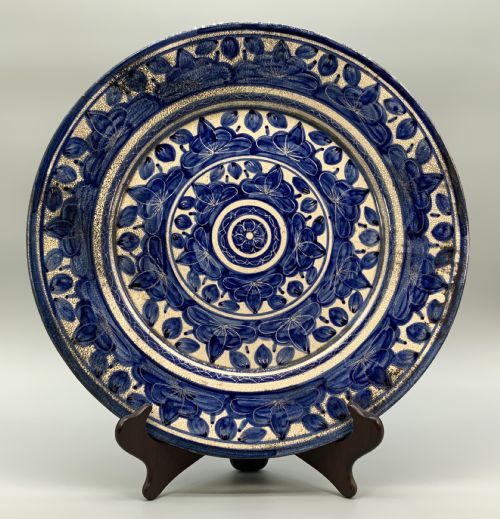
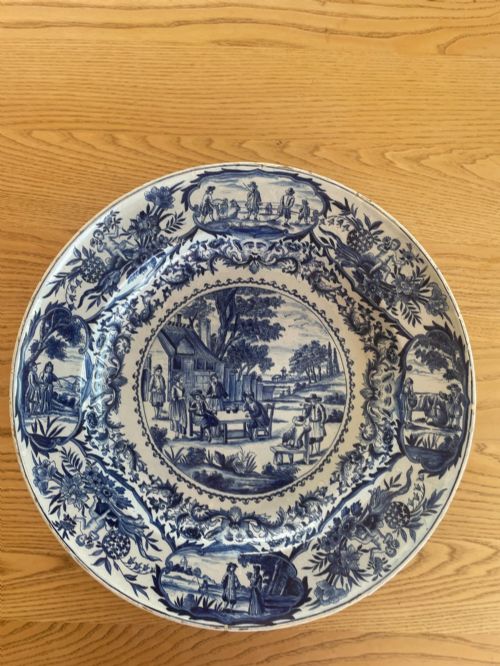
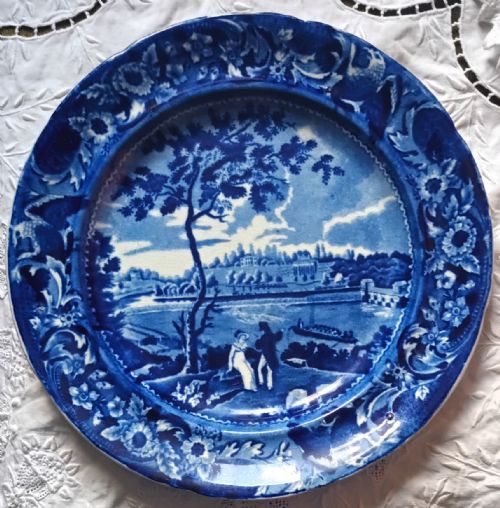
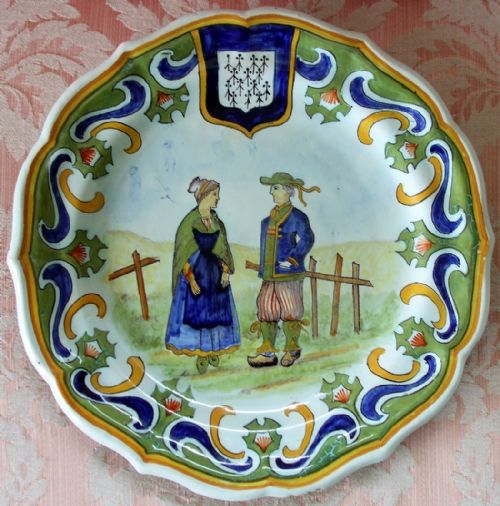
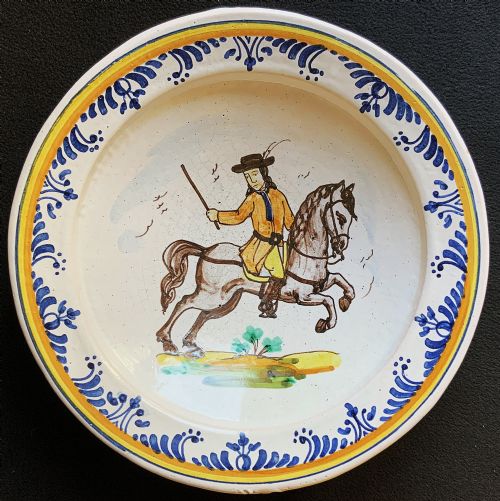
A white ceramic decorative plate encompasses a diverse array of tablewares and display pieces shaped from porcelain, earthenware, and stoneware across global traditions. When exploring white ceramic decorative plate entries, buyers encounter everything from 18th-century tin-glazed chargers to Victorian transferware and Japanese Imari porcelain.
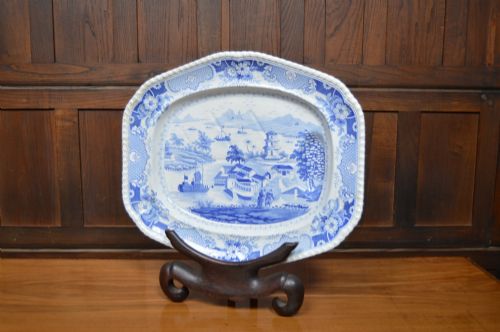
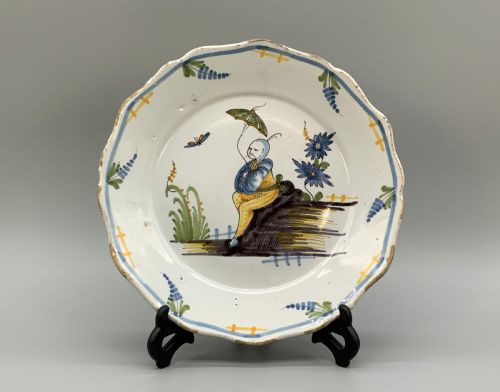
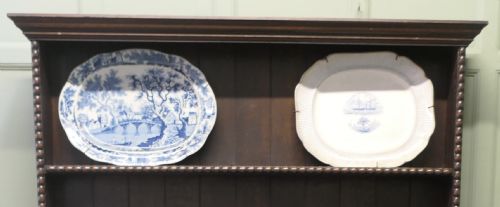
The selection ranges from large continental delft faience dishes bearing manganese and yellow pigments to English blue and white transfer-printed pottery. Many examples feature painted chinoiserie motifs, topographical views, or foliate borders designed for formal display rather than daily dining.
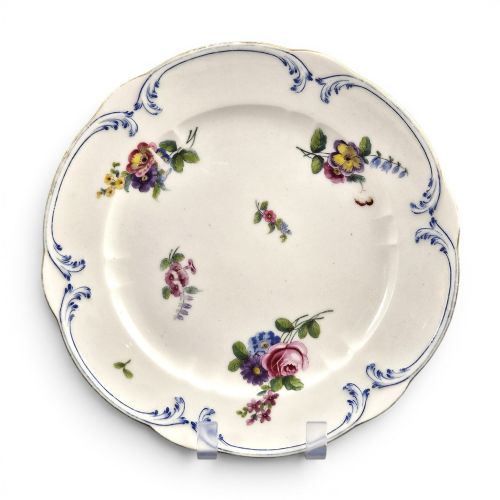
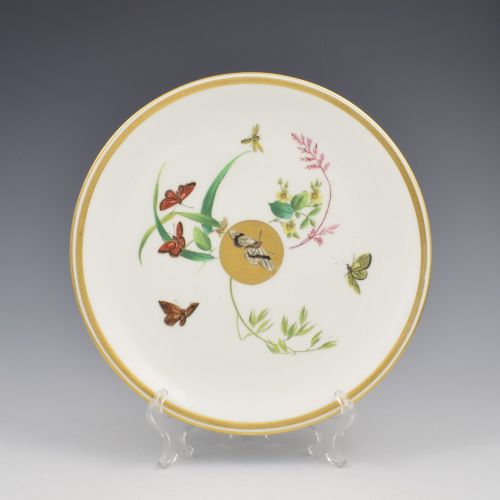
Earliest forms frequently manifest as heavy tin-glazed earthenware chargers originating from English, Dutch, and Spanish workshops. Later Victorian and continental pieces introduce refined porcelain bodies decorated with gilding, enamel, and hand-painted landscapes.
Assessing a white ceramic decorative plate
Quality rests in the crispness of the painted or printed design, the uniformity of the white glaze, and the precision of the moulding. Superior examples exhibit deliberate brushwork or sharp transfer details, whereas lesser items show blurred pigments or uneven glaze pooling.
The sophistication of the ceramic body itself marks a clear division, separating thick, heavy earthenware from thin, translucent soft-paste or hard-paste porcelain. Intricate additions such as gilded sun motifs, hand-painted topographical details, and well-executed relief work elevate individual pieces within their respective periods.
Door pushes made of enamel reveal that even Victorian finger-guards received delicate decorative ceramic treatment.
Ambroise Michel·Stubbs·John Ridgway·Helena Wolfsohn·Minton·Wedgwood·Flight Barr And Barr
The White Ceramic Decorative Plate Glossary
- Charger
- A large decorative plate intended for display on a sideboard or wall rather than for individual dining use. These substantial dishes often display the most ambitious painted or tin-glazed designs of their era.
- Transferware
- Pottery decorated by applying a printed design from an engraved copper plate onto the ceramic surface via tissue paper. This mechanised process allowed for intricate pictorial scenes such as topographical views and architectural landscapes.
- Imari
- Japanese porcelain decorated in underglaze blue, iron red, and gold, named after the port from which it was shipped to Europe. The style gained immense popularity and influenced Western ceramic production.
- Soft-Paste Porcelain
- A ceramic material composed of white clay mixed with ground glass and other vitreous substances, fired at lower temperatures than hard-paste porcelain. It produces a warm, creamy body prized by 18th-century European factories.
White Ceramic Decorative Plate: Frequently Asked Questions
What is a white ceramic decorative plate used for?
These items served primarily for display on sideboards, walls, or dining tables rather than everyday food service. Wealthy households utilised large chargers and cabinet plates to showcase artistic motifs, family crests, or fashionable imported styles.
Over time, changing interior fashions transformed utilitarian serving platters and dessert plates into purely ornamental objects. Collectors today continue to display them on walls or specialised stands to highlight their historical patterns.
How do I date an antique plate?
Dating relies on observing characteristics such as the composition of the ceramic body, glaze textures, and painting styles. Potters often applied factory marks, reign characters, or pattern names to the reverse of the piece to record its origin.
Stylistic cues like chinoiserie figures, transfer-printed topographical scenes, or Victorian aesthetic movement motifs help narrow the manufacturing period. Comparing potting techniques with documented examples from specific centuries provides a reliable timeline.
How should I care for a white ceramic decorative plate?
Antique ceramics require gentle handling and should be kept away from sudden temperature fluctuations and moisture. Dusting with a soft, dry cloth prevents the accumulation of dirt on painted surfaces and glazes.
Displaying pieces on secure, padded brackets or stands prevents accidental tipping and structural stress. Harsh chemical cleaners and dishwashers must be strictly avoided to protect fragile overglaze enamels and gilding.