

White Ceramic Bowl
When you search for a white ceramic bowl, you uncover centuries of porcelain, earthenware, and glaze handled across diverse periods.
White Ceramic Bowl
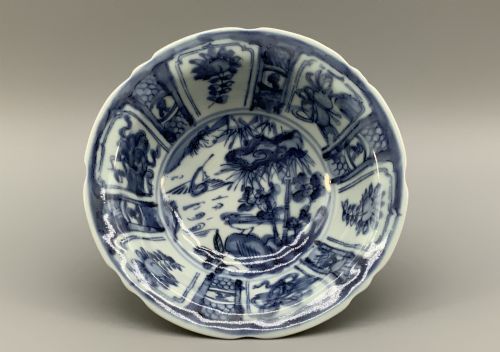
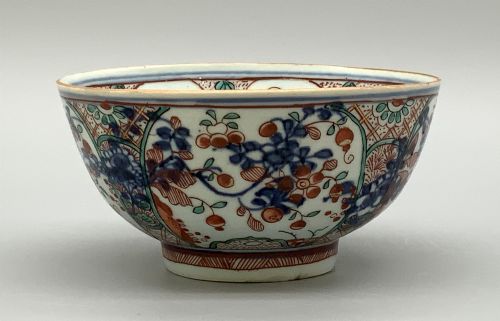
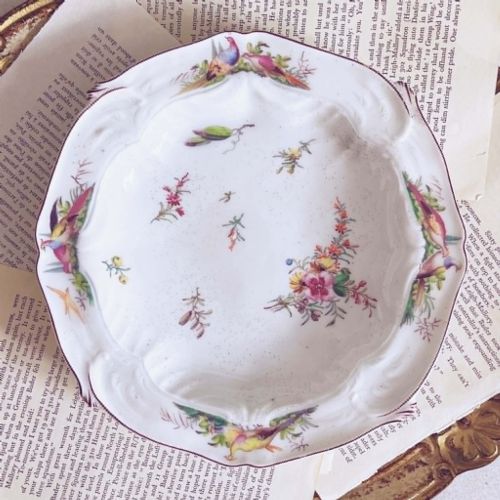
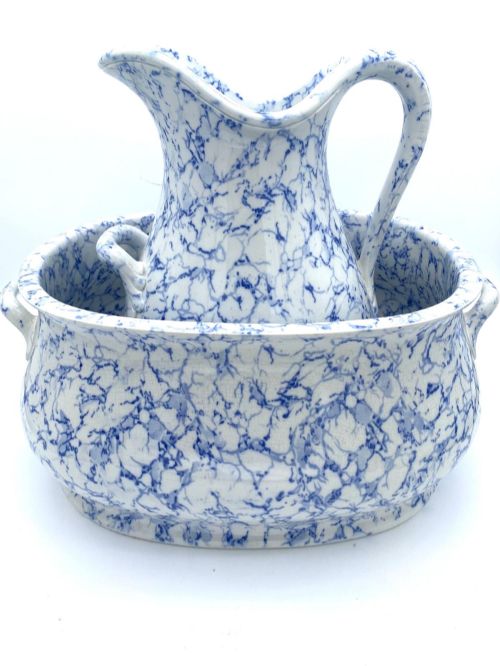
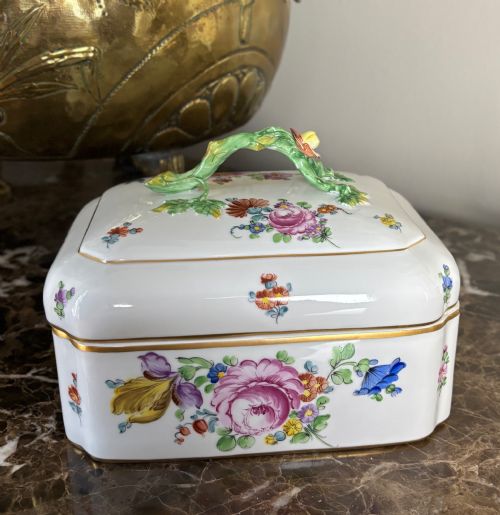
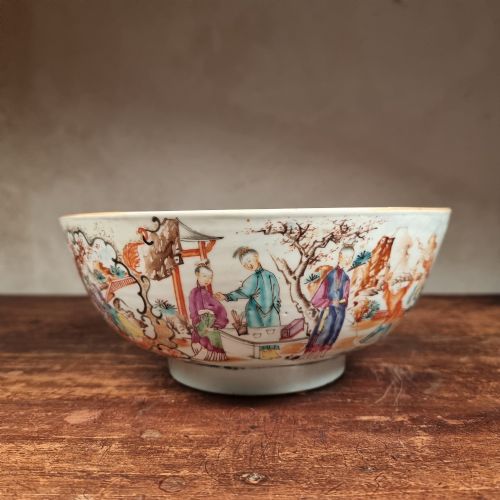
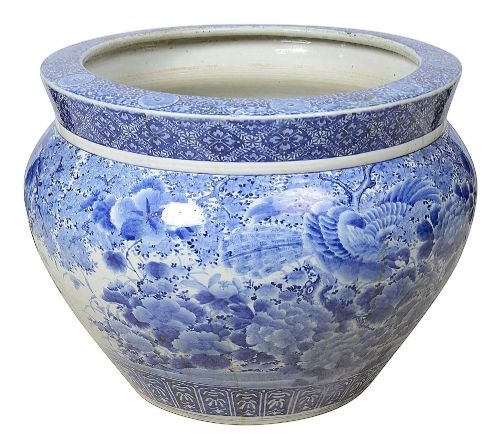
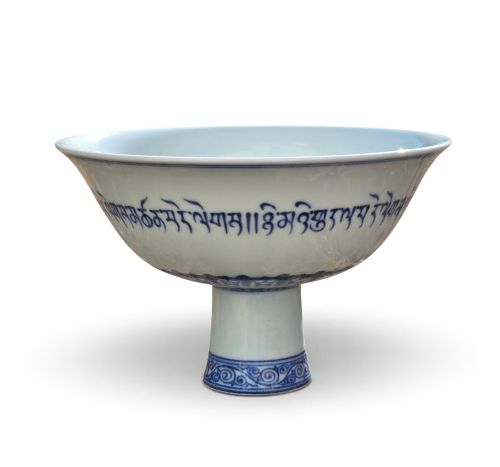
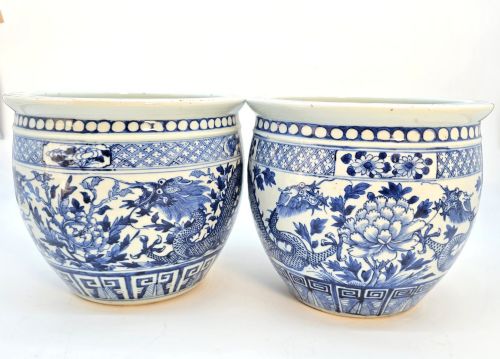
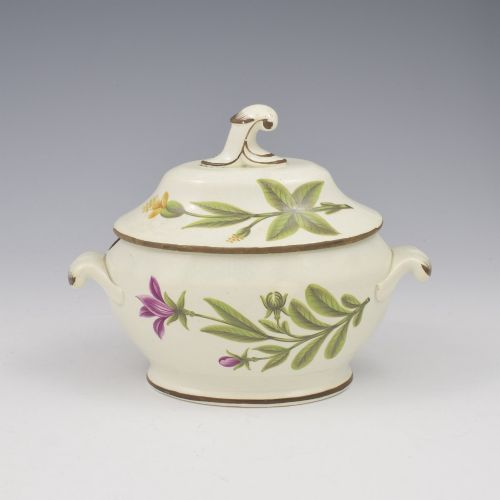
A white ceramic bowl encompasses varied forms from sugar basins and punch bowls to large jardinières and dessert dishes. The listings present items spanning the seventeenth to the twentieth centuries, crossing Chinese, Japanese, and European kilns.
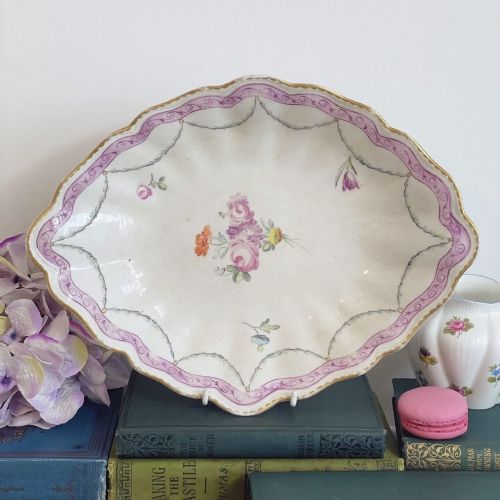
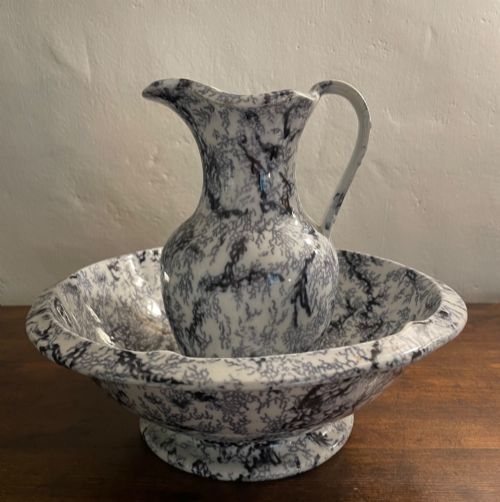
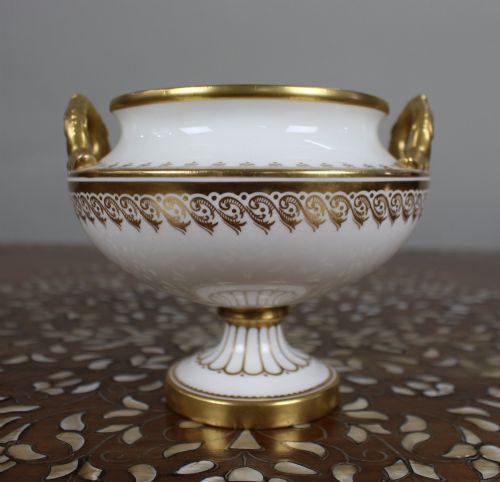
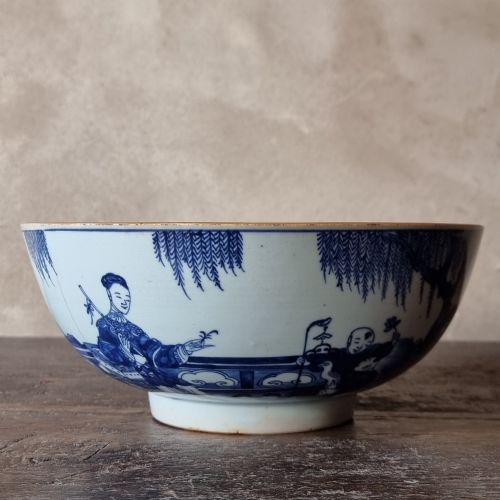
Most entries showcase refined porcelain, soft-paste porcelain, or earthenware, often featuring underglaze cobalt, polychrome enamels, or transfer-printed scenes. Forms range from simple provincial vessels to elaborate footed bowls with butterfly handles.
Origin points stretch from eighteenth-century English factories like Derby, Worcester, and Spode to Qing Dynasty Chinese workshops and Japanese Meiji period kilns. Collectors meet everything from functional tableware to decorative display pieces.
How they were made
Potters shaped these vessels using ceramic pastes and earthenware bodies, sometimes applying soft-paste porcelain recipes or felspar compositions. Hand-thrown or moulded forms received glazes that provided the characteristic smooth surfaces.
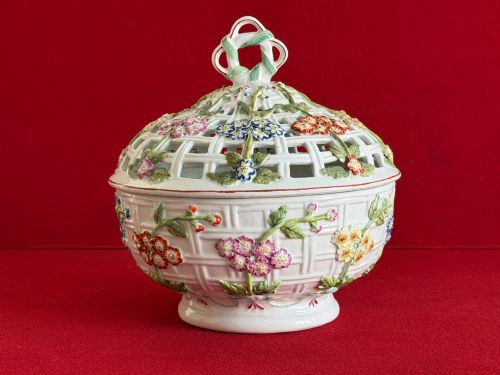
Decoration relied on handpainted polychrome pigments, blue and white cobalt underglaze, and transfer-printing techniques. Artisans often added gold leaf highlights or applied intricate reticulated patterns to baskets and dishes.
Several bowls feature handles shaped like delicate butterflies, ready to flutter off the dessert table.
What varies in quality
Quality rests upon the crispness of the moulding, the precision of the handpainted or transfer-printed details, and the stability of the glaze. Earlier pieces from established factories show finer detail in figures and botanical motifs.
The refinement of the paste and the purity of the white ground separate standard utility wares from exhibition pieces. Superior examples maintain balanced proportions, clear reign marks, and intact handles or covers.
The White Ceramic Bowl Glossary
- Porcelain
- A vitrified ceramic material made by heating raw materials, often including kaolin, to high temperatures. It yields a hard, white, non-porous body.
- Earthenware
- Porous pottery fired at lower temperatures, typically glazed to ensure it holds liquids. This material forms the base of many transfer-printed bowls and tureens.
- Soft-paste porcelain
- An artificial porcelain compound invented in Europe to imitate Chinese wares, composed of white clay and powdered glass. It fires at lower heats than true hard-paste porcelain.
- Cobalt underglaze
- A blue pigment applied to ceramic bodies before glazing and firing. It withstands high temperatures without fading.
- Reticulated
- A decorative openwork pattern formed by cutting or piercing geometric or floral designs through the clay wall before firing.
White Ceramic Bowl: Frequently Asked Questions
How do I clean an antique ceramic bowl?
Wash these pieces gently by hand in lukewarm water using a mild, non-abrasive detergent. Avoid soaking items with exposed earthenware bodies or gold leaf.
Dry them immediately with a soft cloth to protect the glaze and any delicate handpainted decoration.
Can I use these bowls for daily food service?
Many of these vessels served functional roles for sugar, punch, or fruit in past centuries. However, older soft-paste bodies and historic glazes can be fragile and sensitive to modern thermal shock.
Displaying them or using them gently for dry items preserves their structural integrity.
What is the difference between porcelain and pottery?
Porcelain uses refined materials fired at high temperatures until the body vitrifies and becomes impermeable. Pottery or earthenware employs coarser clay bodies fired at lower heats.
Porcelain rings slightly when struck and often shows translucency under strong light.
How can I identify the period of a bowl?
Examine the style of painting, the handling of the clay body, and any factory marks stamped or painted underneath. Comparing the form to documented pieces from makers like Worcester or Spode aids dating.
Matching stylistic clues such as Chinoiserie motifs or Regency handles narrows down the era.