




Victorian Cream Bowl
A victorian cream bowl is a functional or decorative vessel designed for dairy or table use, offering tactile history and period charm.
Victorian Cream Bowl
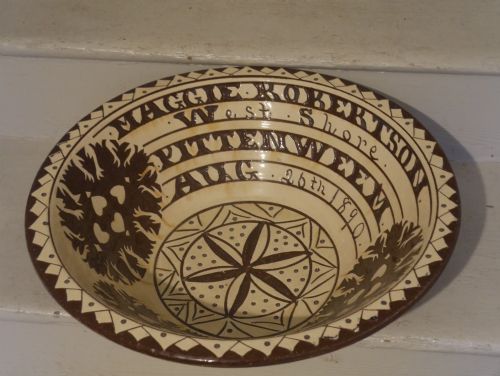
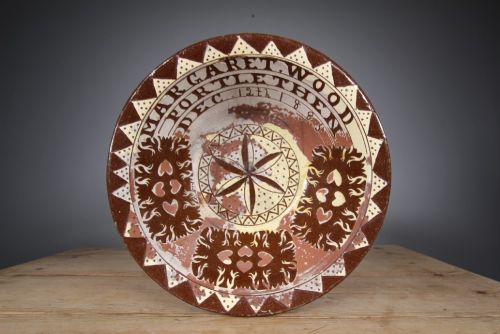
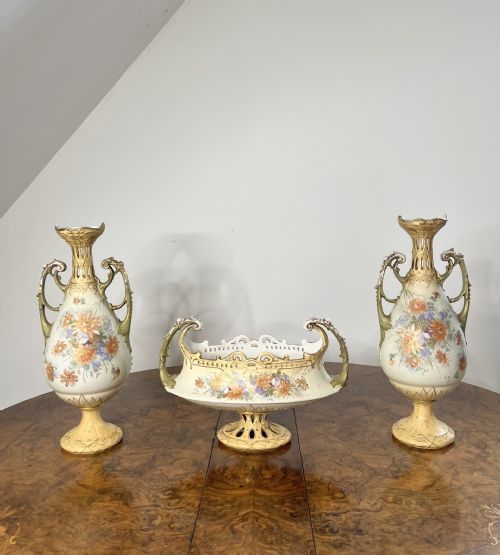
The victorian cream bowl spans utilitarian dairy earthenware and refined ceramic or silver tableware from the nineteenth century. Buyers encounter robust terracotta and slipware dairy vessels alongside decorated porcelain dessert tureens and silver service sets.
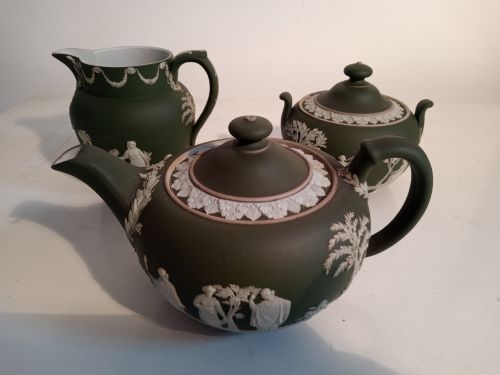
Many examples originate from Scottish potteries like Seaton or major English factories such as Copeland, Wedgwood, and Mintons. Forms range from heavy glazed kitchen pans to delicate pedestal tureens made for cream and dessert service.
Materials and Manufacture
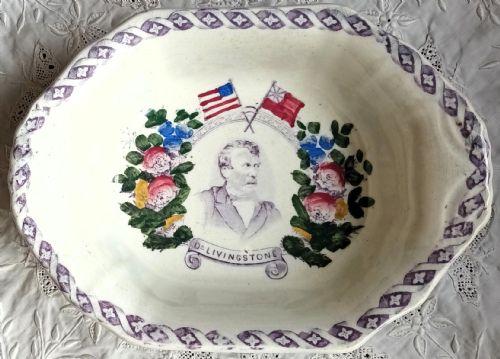
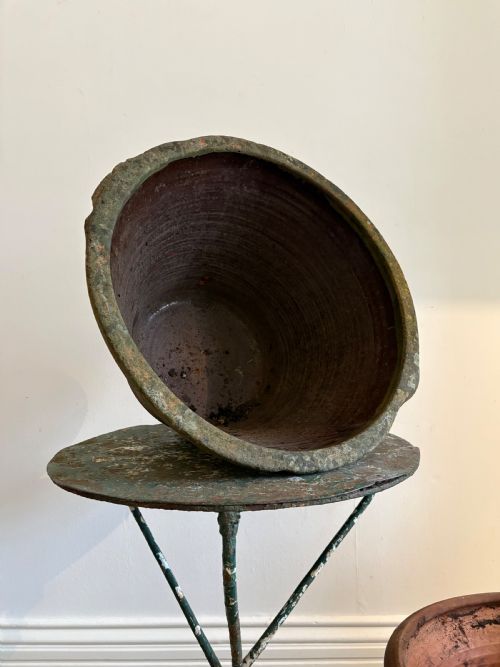
Pottery bowls utilise earthenware, stoneware, and porcelain bodies finished with coloured glazes, slip decoration, or hand-painted details. Heavier dairy items often feature terracotta with internal glazing to hold liquids effectively.
Metal versions combine sterling silver or silver plate with glass inserts such as cranberry glass or opaline glass. Makers applied traditional throwing, moulding, and smithing techniques appropriate to each ceramic body or precious metal.
Nineteenth-century dairies relied on heavy terracotta pans so heavy that moving them required two pairs of hands.
Assessing Quality and Execution
Quality rests in the crispness of moulding, the depth and execution of hand-painted or slip-trailed decoration, and the stability of form. Finer pieces display careful glaze control and balanced proportions rather than hasty commercial production.
For silver and plated items, the preservation of original chasing, hallmarks, and structural integrity defines the standard. Ceramics demonstrate excellence through sophisticated ceramic bodies and well-preserved surface finishes.
Mann & Co·Mintons·Doulton Lambeth·Roberts and Belk·George Fox·Robert Hennel·Hukin & Heath
The Victorian Cream Bowl Glossary
- Slipware
- Pottery decorated with a thin mixture of clay and water applied before firing. This technique creates tactile surface patterns found on traditional dairy bowls.
- Majolica
- A type of earthenware coated with an opaque tin glaze and painted with brightly coloured metallic oxides. It produces rich, glossy surfaces popular in nineteenth-century tableware.
- Tureen
- A deep, covered bowl used for serving soups, sauces, or cream. These pieces frequently include matching ceramic or silver stands.
- Spongeware
- Pottery decorated by dabbing pigment onto the biscuit body using a sponge. This method yields a mottled, rustic pattern typical of country wares.
Victorian Cream Bowl: Frequently Asked Questions
What was a victorian cream bowl used for?
These vessels served practical dairy tasks like setting cream from milk, as well as formal table service for cream, sauce, or desserts. Utilitarian dairy bowls stayed in the dairy or kitchen, while porcelain and silver versions appeared in the dining room.
Heavier terracotta and slipware pans handled bulk food preparation. Finer silver-plated or ceramic cream sets accompanied tea and dessert courses for guests.
How do I care for antique ceramic bowls?
Wash ceramic and glass pieces gently by hand using warm water and mild soap. Avoid abrasive sponges or harsh detergents that can damage nineteenth-century glazes and painted surfaces.
Keep earthenware and porous ceramics away from prolonged moisture exposure. Display them safely on stable surfaces away from direct sunlight.
Are silver cream bowls solid sterling?
Victorian examples appear in both solid sterling silver and silver plate. Hallmarks stamped onto the metal indicate the assay office, date letter, and maker for solid pieces.
Silver-plated items use a base metal underneath a layer of silver. Examining the marks clarifies the specific material composition of each set.