


White Ironstone Bowl
White ironstone bowl finds bring heavy, durable ceramic utility and transfer print or gilt decoration to any modern interior.
White Ironstone Bowl
A white ironstone bowl is a sturdy ceramic vessel originating from the nineteenth century, built for heavy domestic or institutional use. Collectors encounter utilitarian basins, footed serving pieces, and decorative table items spanning the Georgian, Victorian, and Regency eras.
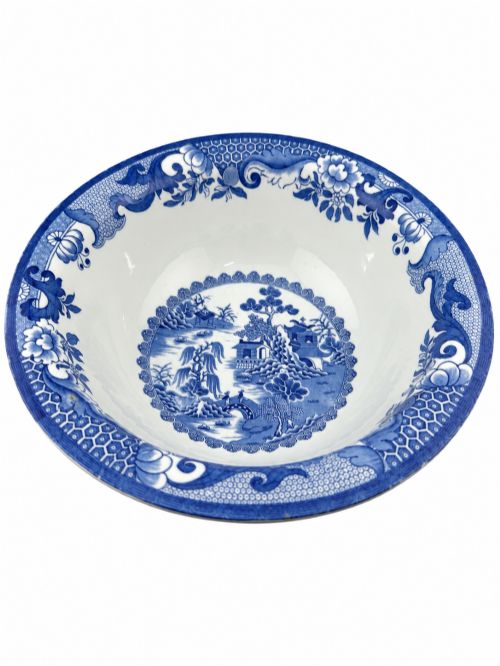
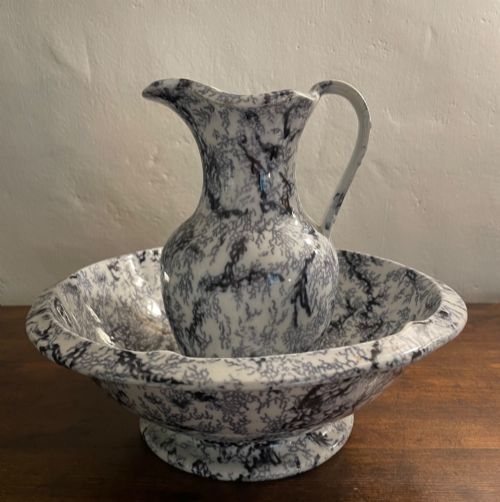
The pieces listed on this page encompass various forms, including large comports, footed fruit dishes, and mess bowls. Many incorporate transfer printing, enamel colours, and gilt accents alongside the characteristic heavy ceramic body.
How they were made
Potters formed these items using durable ironstone and earthenware clay bodies, fired at high temperatures to create a dense, heavy ceramic. A thick glaze was applied over the surface to provide a smooth, wipeable finish capable of withstanding daily use.
Decoration often involved blue and white transfer printing or hand-painted enamel highlights, sometimes finished with gold leaf or gilt details. These techniques created the distinctive patterns seen on nineteenth-century tableware.
The listings here span the 19th century, incorporating ironstone, earthenware, glaze, and gilt materials across various bowls and comports.
What varies in quality
The sophistication of the decoration dictates the standing of a piece, moving from plain utilitarian white ironstone to elaborate hand-painted Chinoiserie patterns and gilt trim. Crispness in the transfer print and the application of enamel or gold leaf reveal the care taken during production.
Form and intended function also separate standard kitchenware from grand table service items like comports and chestnut baskets. Pieces designed for display or officer messes often exhibit finer modelling and more ambitious decorative programmes.
The White Ironstone Bowl Glossary
- Ironstone
- A heavy, durable type of earthenware patented in the nineteenth century to imitate Chinese porcelain. It resists chipping far better than standard pottery.
- Comport
- A raised serving dish or pedestal bowl used for fruit or sweetmeats at the table. These pieces often feature footed bases.
- Transfer Print
- A method of applying detailed designs to ceramics by engraving a copper plate, pulling the image on tissue, and transferring it onto the bisquified clay before glazing.
- Chinoiserie
- European artistic style reflecting Chinese motifs and landscapes. This aesthetic appears frequently on nineteenth-century tablewares with hand-painted enamels.
White Ironstone Bowl: Frequently Asked Questions
What is white ironstone?
White ironstone is a heavy, durable ceramic developed in the nineteenth century as a tough alternative to porcelain. It was widely utilised for domestic vessels and institutional tableware.
The dense clay body and thick glaze make these bowls resilient and practical. They remain popular for contemporary display and everyday use.
How do I date a white ironstone bowl?
Dating relies on maker marks, ceramic weight, glaze characteristics, and decorative styles such as transfer printing or Regency motifs. Nineteenth-century pieces often display specific potting techniques unique to that era.
Examining the foot ring and any backstamps provides further clues to the exact decade of manufacture. Comparing the pattern style to known archives helps confirm the period.
Were these bowls used for food?
Many of these vessels served practical culinary and dining functions, ranging from mess bowls to fruit comports and serving tureens. They were designed for daily service in homes and institutions.
Over time, their robust nature ensured many survived heavy handling in kitchens and dining rooms. Today, collectors utilise them both as decorative accents and functional serving pieces.
What makes a bowl a comport?
A comport is a raised pedestal bowl traditionally used for serving fruit or dessert at the end of a meal. The elevated base lifts the contents above the main table surface.
These pieces often feature decorative handles or intricate moulding around the rim. They represent some of the more decorative forms found within nineteenth-century tableware.