




Vintage Kitchen Bowl
These vintage kitchen bowl items span centuries of utility, bringing heavy copper, warm turned hardwood and robust ceramic to the table.
Vintage Kitchen Bowl
A vintage kitchen bowl encompasses domestic vessels from eras ranging from the seventeenth century through to the Edwardian period and the 1930s. When you search for a vintage kitchen bowl, you encounter sturdy utilitarian forms including dairy bowls, jam pans, dough troughs and heavy mortars.
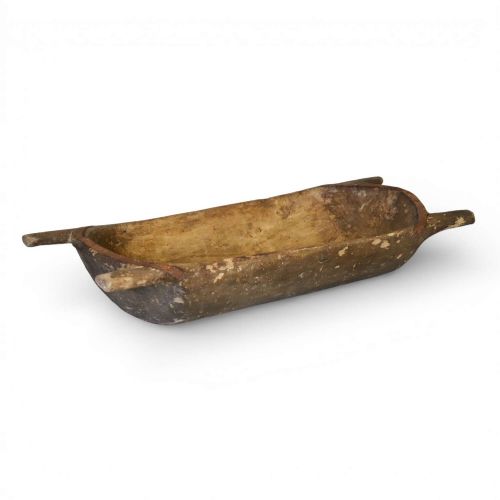
The objects stem from various regional traditions, featuring French farmhouse kneading troughs alongside English sycamore dairy bowls and heavy copper preserve pans. These pieces served practical domestic and apothecary functions before entering the decorative sphere.
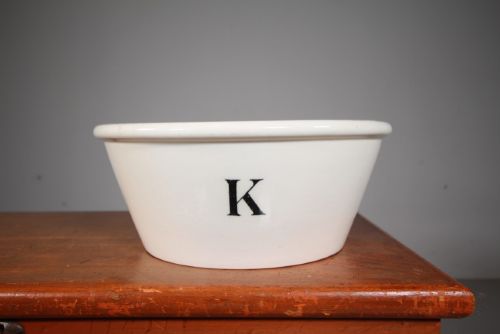
Ceramic, ironstone and glazed pottery sit alongside turned treen and heavy metal vessels on this page. Each format reflects the daily preparations of past kitchens, from cream setting to mortar grinding.
Materials and construction methods
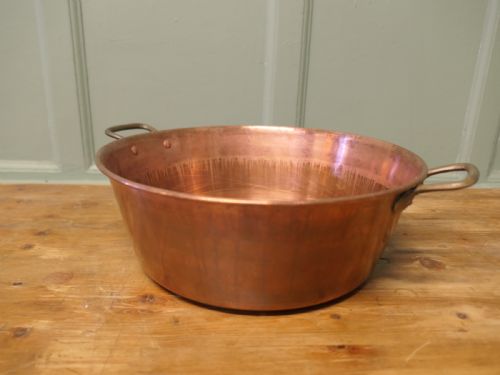
Metal vessels rely on heavy copper, brass and cast iron, often shaped with hand-bewed or riveted brass handles. Copper preserve pans and jam pans demonstrate substantial weight and traditional metalworking techniques.
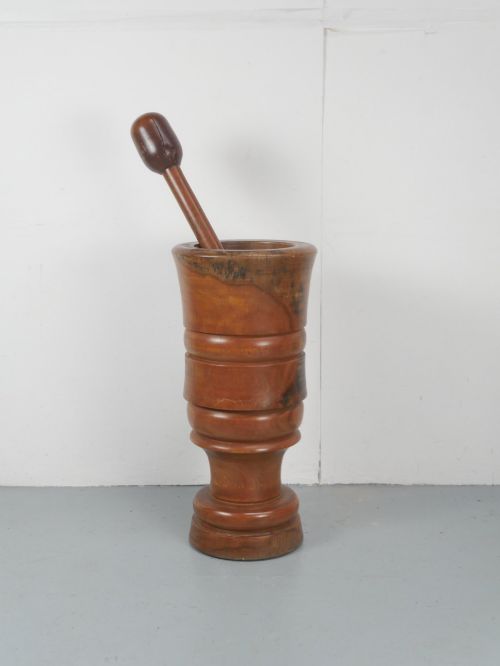
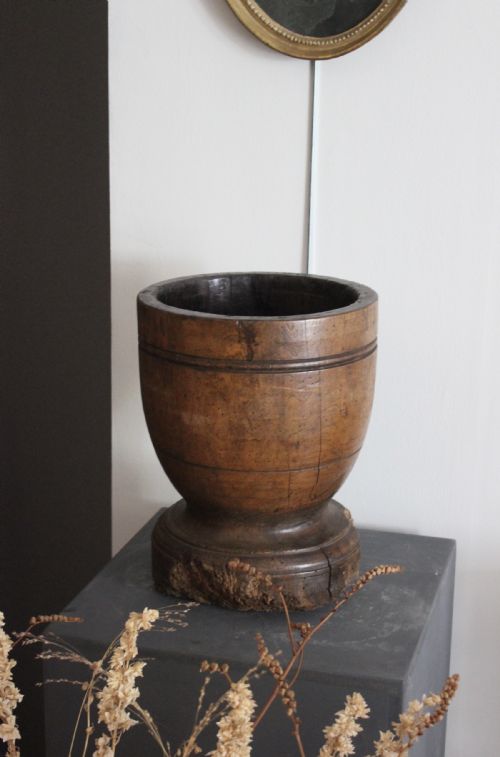
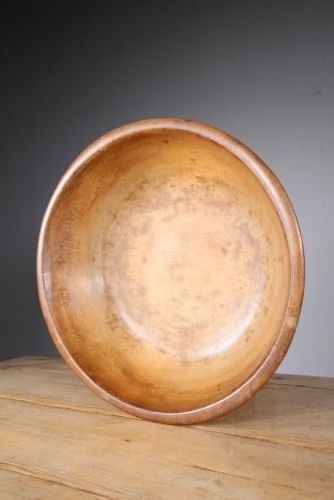
Wooden items utilise turned hardwood, sycamore and beech, shaped into solid dairy bowls and treen mortars. Natural grain and patination reveal decades of manual use and traditional carpentry.
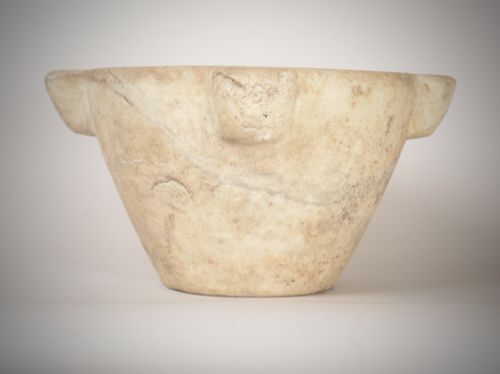
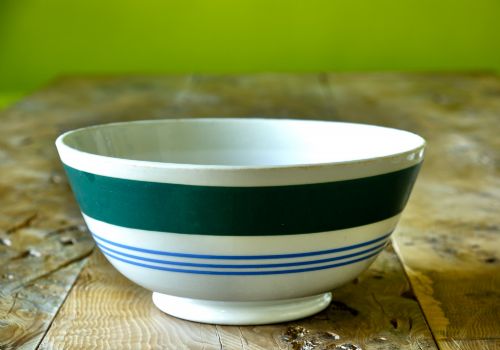
Ceramic pieces involve ironstone, glazed pottery and white marble, providing dense, durable bodies designed for heavy kitchen labour. Stone mortars harness solid marble and stone for grinding tasks.
Vintage Kitchen Bowl Retail Price Guide 2026
Typical asking prices for vintage kitchen bowl among the pieces listed under this phrase on Sellingantiques today, from the lower quarter to the upper quarter. They describe what is for sale here now, not the wider market.
Materials span heavy copper, brass, ceramic, turned hardwood, marble, stone and canvas across the listed items.
Assessing quality and character
Quality rests in the integrity of the material and the depth of natural patina accumulated through generations of domestic labour. Sycamore dairy bowls and copper jam pans display superior craftsmanship when their surfaces show honest wear without structural compromise.
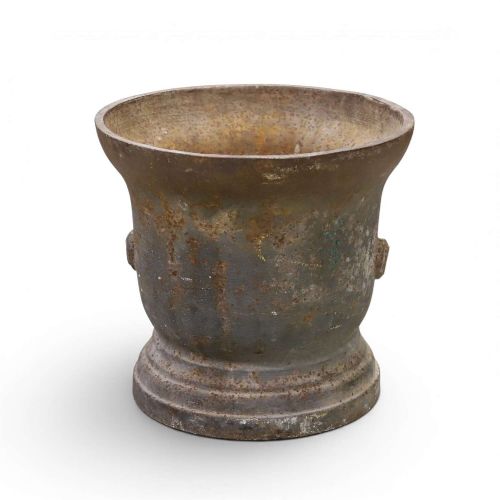
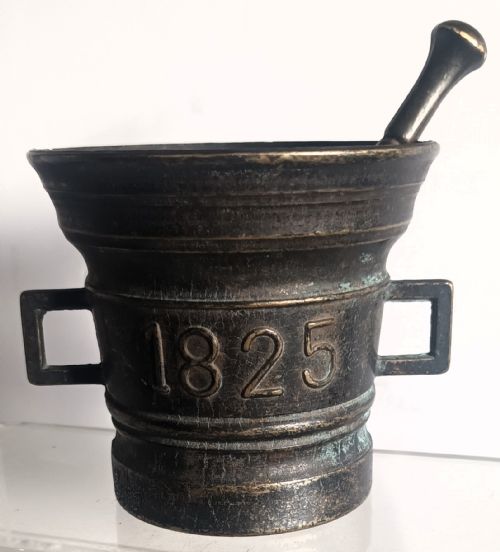
Weight and gauge distinguish robust utility wares from lighter examples, particularly in cast bronze mortars and heavy copper preserve pans. Thicker walls and solid forged handles separate workshop pieces from standard domestic output.
T G Green Pottery·Hodges and Sons
The Vintage Kitchen Bowl Glossary
- Ironstone
- A type of heavy durable earthenware patented in the nineteenth century. It bridges the gap between everyday pottery and fine porcelain.
- Preserve Pan
- A wide metal vessel utilised for boiling fruit and sugar jams. These pans often feature heavy copper bodies with riveted brass handles.
- Dairy Bowl
- A wide shallow vessel designed for setting milk and separating cream. Sycamore and earthenware versions appear frequently in domestic contexts.
- Mortar and Pestle
- A heavy bowl paired with a club-shaped tool for grinding ingredients. Examples are forged from bronze, brass, iron, marble and hardwood.
Vintage Kitchen Bowl: Frequently Asked Questions
What were vintage kitchen bowls used for?
These vessels performed heavy domestic tasks such as kneading dough, setting cream in dairies, and boiling fruit preserves over open fires or ranges.
Heavier stone and metal mortars ground spices and medicines in kitchens and apothecaries alike.
How do I date a wooden dairy bowl?
Dating relies on tool marks left by turning lathes, the species of timber used, and the depth of the surface patina.
Sycamore and beech vessels often display hand-turned ridges and signs of traditional agricultural use.
Are copper preserve pans safe to use?
Many buyers repurpose vintage copper pans as decorative planters or hearth accessories due to their age and heavy metal composition.
Original jam pans were designed for high-heat sugar boiling but require careful assessment before modern food preparation.
What is the difference between ironstone and pottery?
Ironstone offers a denser, heavier body patented for industrial durability and resistance to chipping during heavy kitchen work.
Standard pottery utilises softer earthenware clays finished with coloured glazes and bands.