

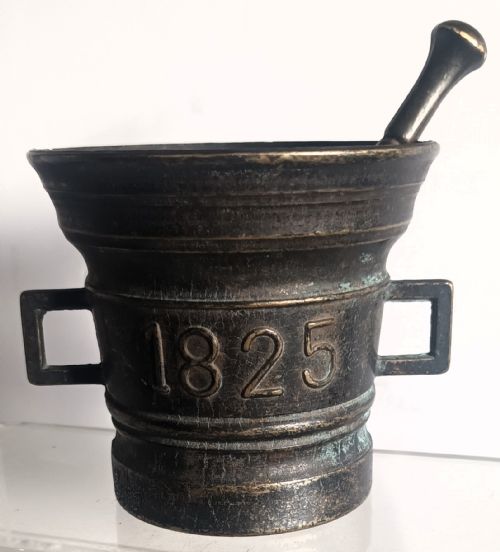


Vintage Country Kitchen Bowl
These vintage country kitchen bowl pieces are heavy, honest workers of domestic history that bring tactile warmth and enduring utility to any modern space.
Vintage Country Kitchen Bowl
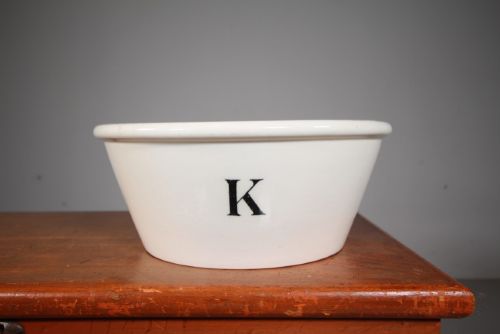
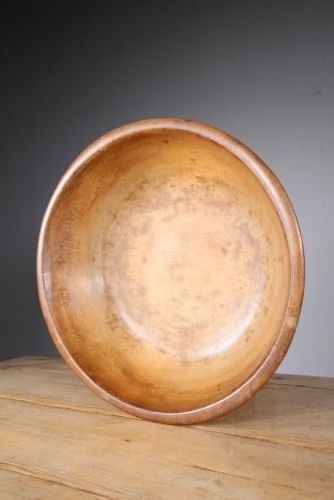
When you search for a vintage country kitchen bowl, you encounter a robust selection of utilitarian vessels shaped by centuries of domestic and apothecary labour. The listings span from seventeenth century folk art pieces through Georgian and Edwardian eras up to nineteen-forties pottery.
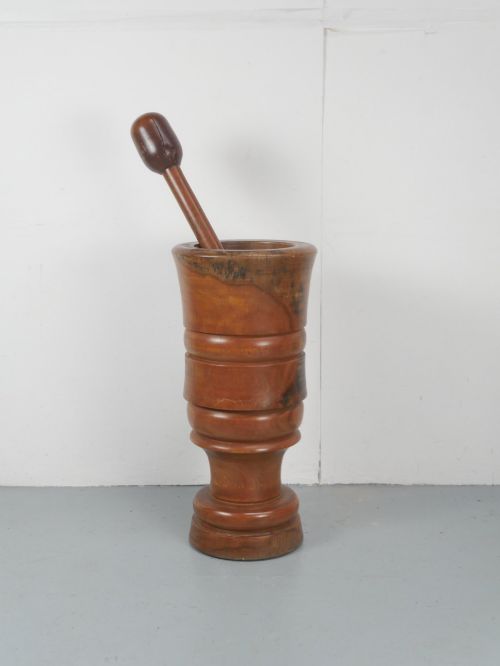
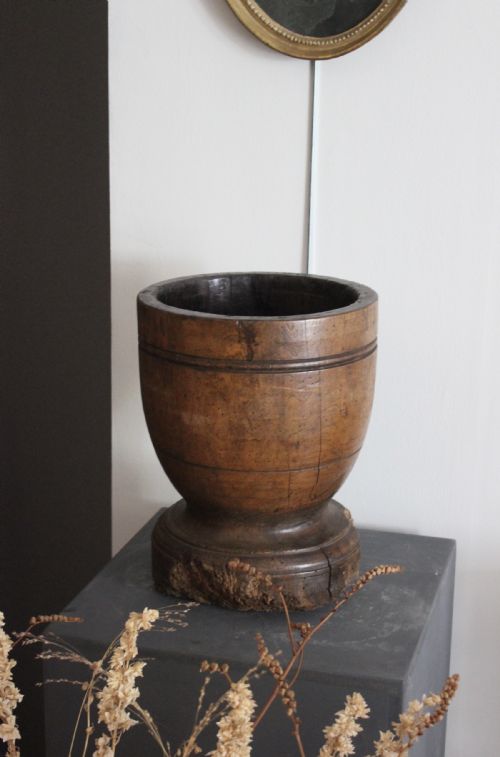
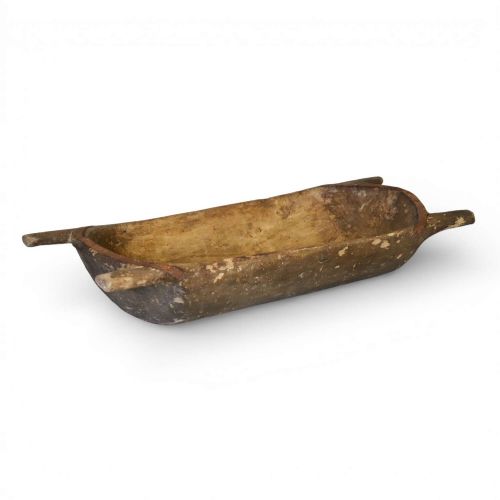
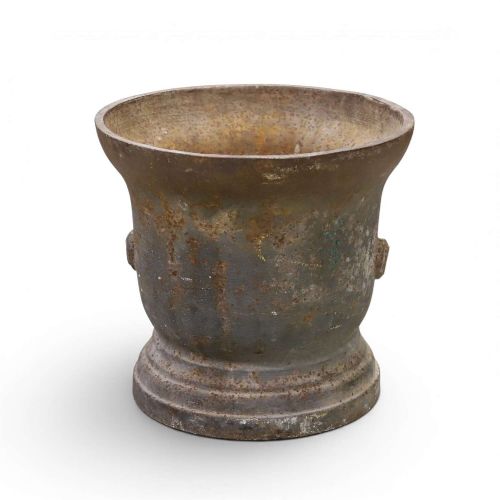
The most common forms you meet here include large mixing bowls, kneading dough troughs, and heavy mortars alongside dairy bowls. These objects originate from English and French traditions, reflecting vernacular domestic life across different centuries.
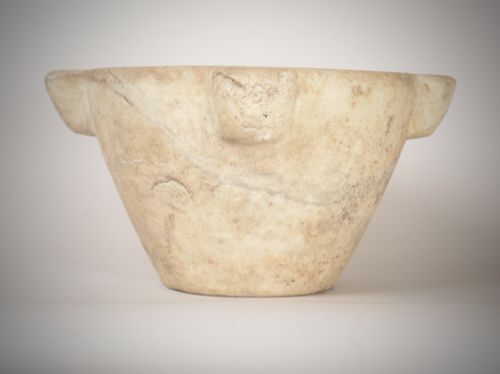
Materials range widely across these utilitarian forms, encompassing ceramic and ironstone alongside turned hardwood, solid wood, sycamore, marble, stone, cast iron, and enamel. Each piece carries the distinct character of its period and intended kitchen or dairy function.
Materials and construction
Wood pieces such as sycamore dairy bowls and treen mortars were turned or hollowed from solid timber, developing a rich patina through decades of daily use and washing. Hardwood and treen construction relied on the natural grain and density of the wood to withstand vigorous mixing and pounding.
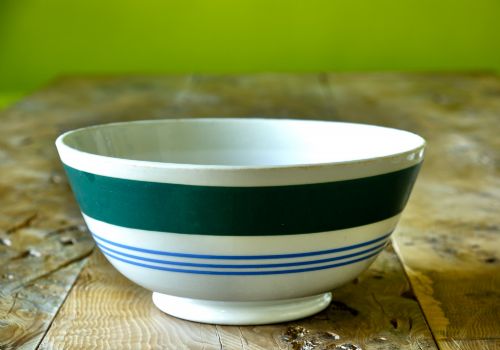
Ceramic, ironstone, and pottery vessels were fired in kilns, sometimes finished with coloured bands or glaze, while metal examples utilised heavy cast iron or bronze poured into moulds. Marble and stone mortars were laboriously carved from solid blocks to create stable, non-porous surfaces for grinding ingredients.
Vintage Country Kitchen Bowl Retail Price Guide 2026
Typical asking prices for vintage country kitchen bowl among the pieces listed under this phrase on Sellingantiques today, from the lower quarter to the upper quarter. They describe what is for sale here now, not the wider market.
Some dough bowls still whisper of old flour and French farmhouses.
Assessing quality and character
Quality in these utilitarian vessels rests upon the integrity of the material and the depth of the surviving surface patina. Pieces that retain their original heft, honest tool marks, and uncompromised structural form stand apart from lesser examples.
The distinction also lies in the balance of the form and the harmony between the material and its domestic purpose, whether it is a turned wooden bowl or a cast iron mortar. Maker marks, where present, add historical clarity to the craftsmanship.
T G Green Pottery
The Vintage Country Kitchen Bowl Glossary
- Treen
- Small handmade wooden domestic objects produced before the widespread adoption of plastics. These items include treen bowls and mortars shaped by turners.
- Ironstone
- A type of heavy durable pottery patented in the nineteenth century. It bridges the gap between earthenware and porcelain.
- Patina
- The surface sheen and darkening acquired by wood, metal, and stone through age and handling. This visual depth is prized by collectors.
- Dough bowl
- A large vessel used historically for mixing and rising bread dough. These are typically carved from single pieces of wood or formed in large ceramic formats.
- Mortar
- A heavy bowl used with a pestle for crushing and grinding substances. Examples in this category range from cast iron and bronze to marble and wood.
Vintage Country Kitchen Bowl: Frequently Asked Questions
How were these bowls used historically?
They served essential domestic and apothecary roles, functioning as kneading troughs for bread, dairy bowls for separating cream, and heavy mortars for pounding ingredients.
Their robust construction allowed them to withstand daily labour in busy English and French kitchens.
How do I care for a wooden dough bowl?
Wooden bowls require gentle cleaning with mild soap and warm water, avoiding prolonged soaking to protect the timber and its historic surface.
Periodically treating the wood with food-safe mineral oil helps maintain the grain and prevents the material from drying out.
How can I tell the age of a kitchen bowl?
Age is indicated by the manufacturing material, tool marks, and the presence of a rich surface patina developed through decades of use.
Stylistic markers and regional forms also help align pieces with periods ranging from seventeenth century folk art to Edwardian and later pottery.