
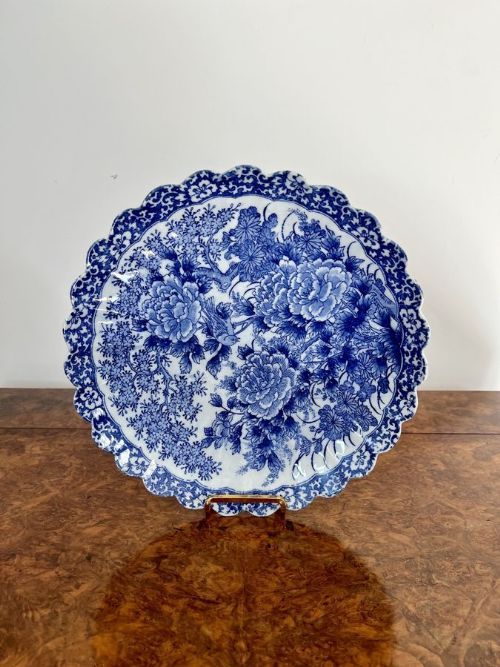


White Blue China Platter
A white blue china platter brings centuries of blue and white ceramic artistry to the table.
White Blue China Platter
When searching for a white blue china platter, buyers encounter serving vessels from the eighteenth, nineteenth, and early twentieth centuries. These pieces originate from English earthenware potteries, Chinese export kilns, and Dutch delftware workshops.
Materials and production methods
Potters shaped these dishes using earthenware, ironstone, pearlware, and porcelain, applying cobalt blue oxides beneath transparent glazes before firing. Transfer printing allowed factories to apply intricate designs such as landscapes and architectural scenes onto large meat platters.
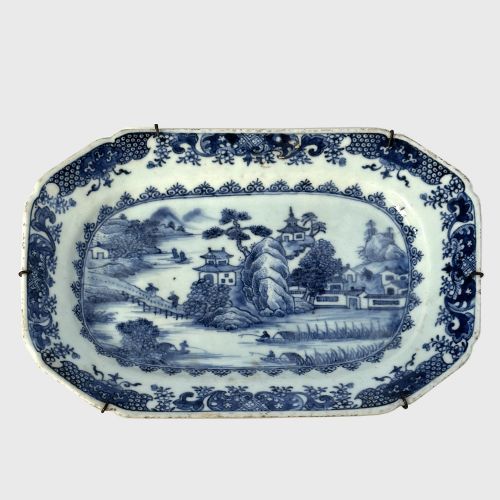
Earlier Chinese export and European examples often relied on handpainted brushwork over ceramic bodies, while nineteenth-century Staffordshire works utilised refined stone china and ironstone to achieve durable serving surfaces.
An eighteenth-century potter once painted a blue mark on a dish that outlived empires.
Qualities of distinction
The depth and clarity of the cobalt blue transfer print or handpainted decoration dictate the visual impact of each dish. Crispness in the glazed surface and the preservation of original edges on large platters separate utilitarian kitchenware from finer display pieces.
Makers' marks, such as those from Mason's, Spode, or Brameld, provide tangible evidence of factory origin and period craftsmanship. The weight, structural integrity, and presence of specialised elements like drainers or reservoirs further define the standard of the ceramic.
Brameld and Co·Copeland and Garrett·Mason·Royal Worcester·Spode
The White Blue China Platter Glossary
- Ironstone
- A dense, durable type of heavy pottery patented in the nineteenth century. It resists chipping and served as a sturdy body for large meat platters.
- Transfer printing
- A decoration technique where an engraved copper plate transfers a design onto paper and then onto the ceramic body. This method enabled mass production of complex blue and white patterns.
- Pearlware
- A refined earthenware developed in the late eighteenth century featuring a faint bluish glaze that pooled in recesses. It bridged the transition from creamware to whiter ceramics.
- Charger
- A large ornamental plate used traditionally for display or as a base plate during formal dining. These items frequently display intricate Chinese export or European pastoral scenes.
- Drainer
- A perforated ceramic insert placed inside a meat platter to allow juices to pool beneath the roast. They are scarce survivals from nineteenth-century dining services.
White Blue China Platter: Frequently Asked Questions
How were these platters used?
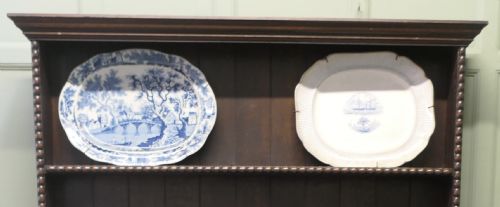
These large ceramic vessels served joints of meat, fish, and side dishes at formal dining tables. Many included integrated wells or separate drainers to catch juices during carving.
In domestic settings, they transitioned from kitchen service to wall display or sideboard decoration when not in active use during meals.
How do I care for antique ceramic platters?
Wash these pieces gently by hand using warm water and mild soap, avoiding dishwashers entirely. Sudden temperature changes can crack the historic glaze or ceramic body.
Store them securely on stable surfaces or use coated wire hangers if displaying them safely on walls.
What is ironstone?
Ironstone is a heavy, durable earthenware developed in the nineteenth century to imitate Chinese porcelain. It provided a robust surface for large serving platters subject to heavy daily use.
Potters like Mason utilised this dense body for transfer-printed patterns depicting landscapes and exotic motifs.
How do I date a blue and white platter?
Examine the back of the dish for factory marks, impressed stamps, or pattern names. The style of the ceramic body, such as pearlware versus ironstone, also points to specific decades in the eighteenth and nineteenth centuries.
Design motifs like Chinoiserie, floral borders, or transfer-printed historical scenes offer additional clues regarding the period of manufacture.