



Ceramic Oval Serving Platter
A ceramic oval serving platter brings both utility and distinct historic character to the table, spanning English, Continental and Asian workshops from the eighteenth century onward.
Ceramic Oval Serving Platter
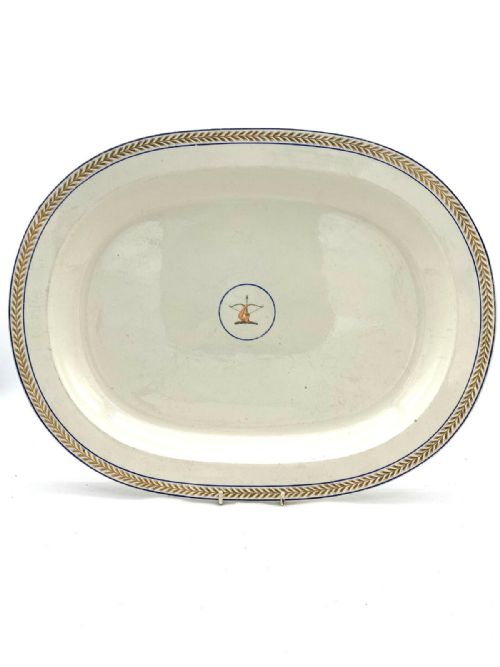
When you search for a ceramic oval serving platter, you encounter a diverse selection of serving dishes, meat platters, chargers and trays intended for presentation and dining. These pieces range from substantial eighteenth-century creamware and ironstone items to finely painted nineteenth-century porcelain and earthenware.
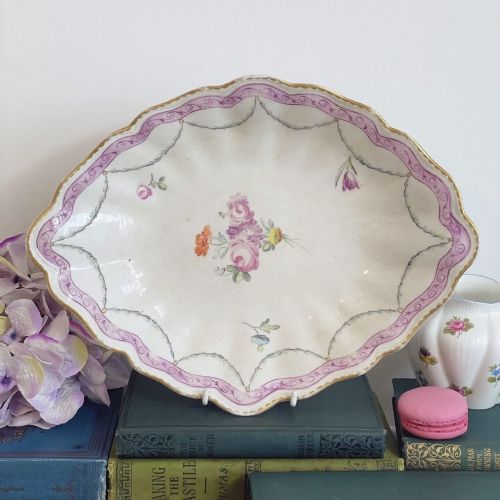
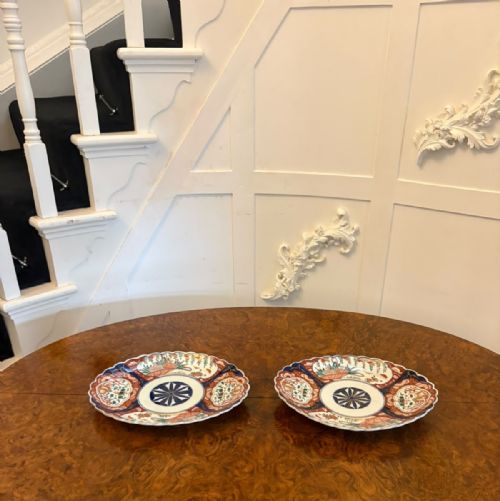
English factories such as Derby, Worcester, Coalport and Wedgwood provide many of the domestic examples on this page, often decorated with blue and white transfer prints, armorials or handpainted floral motifs. Alongside these sit Continental porcelain works, Chinese export porcelain and Japanese Meiji period Imari wares.
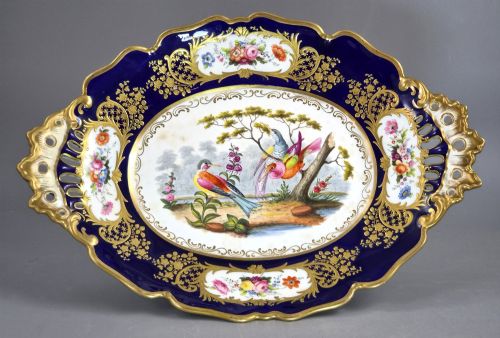
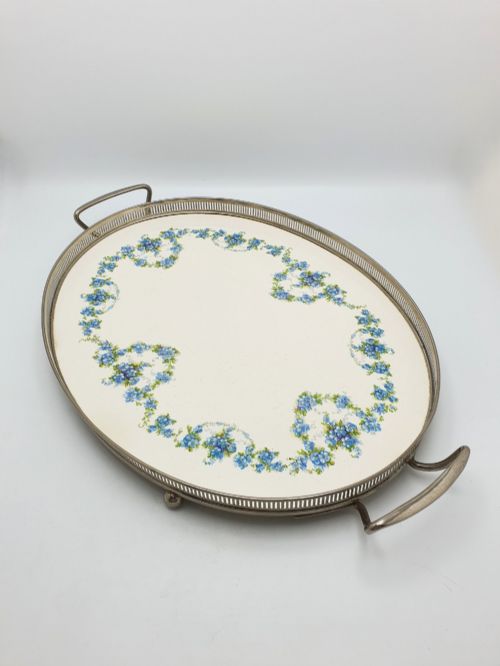
The selection extends from Georgian serving plates through Victorian meat platters to early twentieth-century decorative trays. Buyers frequently meet blue and white transfer printed patterns alongside polychrome florals, exotic birds and intricate Chinoiserie or Rococo revival styling.
Materials and production techniques
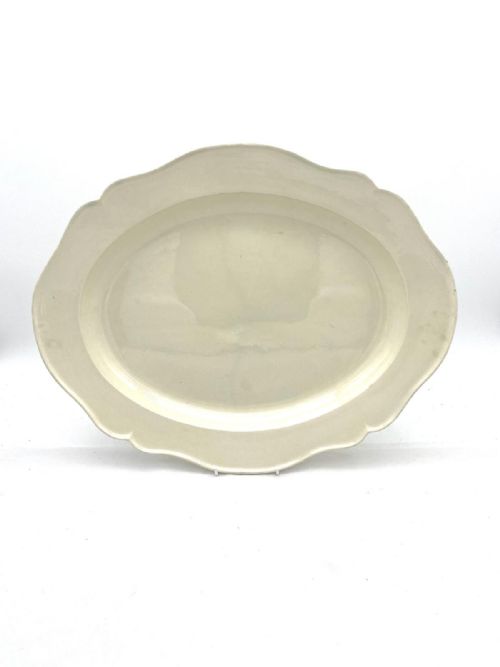
Potters shaped these platters using earthenware, creamware, ironstone and porcelain bodies, which were then fired and finished with transparent or opaque glazes. Ironstone provided a robust, heavy body suited for large meat dishes, while porcelain and creamware allowed for refined, thinner forms.
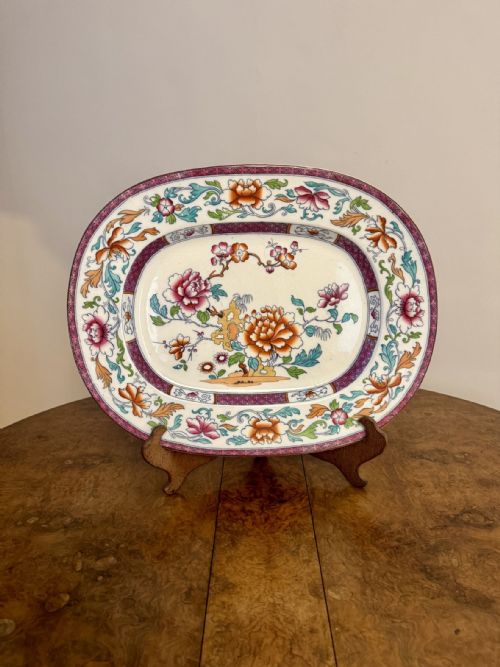
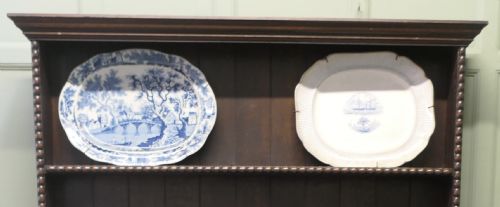
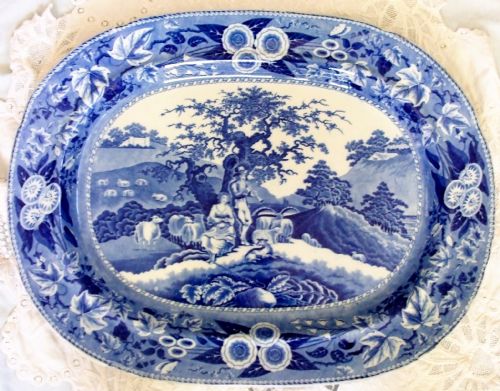
Decoration relied heavily on underglaze blue and white transfer printing, a technique that transferred intricate landscape or figural scenes onto the ceramic body before glazing. Alternatively, skilled artisans applied polychrome enamel painting by hand, occasionally augmenting the surface with gold leaf, gilding or specific colour grounds like bleu céleste.
Listings span both English earthenware bodies like creamware and ironstone, alongside imported Japanese Meiji Imari and Chinese export porcelains.
Distinctions in quality and execution
Quality rests upon the crispness of the moulding and the clarity of the ceramic body, particularly in heavier ironstone and creamware where weight and balance dictate utility. Finer porcelain versions display superior translucency, precise potting and careful control during the high-temperature kiln firing.
The standard of decoration marks the greatest divergence between pieces, separating factory output with neat, handpainted polychrome birds or flowers from simpler transfer-printed items. Artisanal precision in brushwork, the richness of cobalt blue or enamel palettes, and the preservation of gilt highlights elevate certain examples above standard utility wares.
H and R Daniel·Derby·Coalport·Wedgwood·Samson Paris·Royal Worcester·Royal Crown Derby·Meissen·Barr Flight and Barr
The Ceramic Oval Serving Platter Glossary
- Creamware
- A fine earthenware developed in England during the eighteenth century featuring a pale yellowish cream-coloured lead glaze. Wedgwood notably refined this practical body for armorial and everyday services.
- Ironstone
- A dense, durable type of earthenware patented in the nineteenth century to imitate porcelain. It resists chipping and forms the heavy base of large meat platters.
- Transfer printing
- A mechanical method of applying complex designs to ceramics using an engraved copper plate and thin paper. This technique enabled the mass production of detailed blue and white landscapes.
- Imari
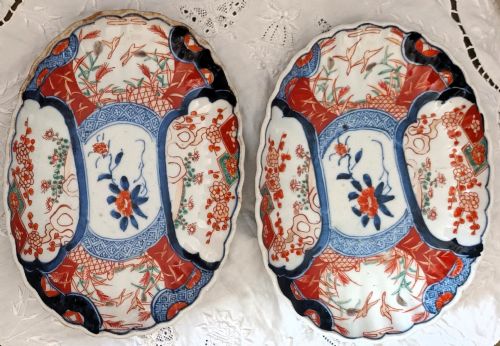
- A style of Japanese export porcelain characterised by a distinctive palette of underglaze blue, iron red and gold. These colourful patterns gained immense popularity in European interiors.
- Bleu céleste
- A bright sky-blue enamel ground colour used on porcelain. French factories such as Samson frequently employed this rich hue for decorative trays and dishes.
- Armorial
- A ceramic service or dish painted with a family coat of arms. Wealthy patrons commissioned these bespoke pieces from English and Chinese export workshops.
Ceramic Oval Serving Platter: Frequently Asked Questions
How were these large platters used originally?
These dishes served central functions at the dining table, carrying large joints of meat, fish or poultry during formal family meals and feasts. Ironstone and heavy earthenware versions handled the weight of heavy roasts, while finer porcelain items presented lighter desserts and fish courses.
Beyond the dining room, many of the decorative trays and chargers functioned as display pieces on sideboards or walls. Their painted scenes and armorials displayed the household's social standing and taste.
Can I use an antique ceramic platter for serving food today?
Many sturdy ironstone and earthenware pieces remain structurally sound for serving dry foods, bread or fruit at modern gatherings. However, historic glazes on eighteenth and nineteenth-century wares can be sensitive to modern detergents and thermal shock.
It is generally advisable to treat delicate porcelain and handpainted enamel pieces with care, avoiding dishwashers and microwave ovens. Hand washing in warm, mild soapy water preserves the historic glaze and any fragile gilding.
How do I distinguish eighteenth-century creamware from nineteenth-century ironstone?
Creamware possesses a lighter, more resonant earthenware body with a warm, buttery cream glaze that often pools gently around foot rims. It feels comparatively refined and lighter in the hand than later utilitarian wares. C
What is the difference between transfer print and handpainted decoration?
Transfer printing uses an engraved copper plate to stamp a precise, repeating ink pattern onto the ceramic surface before glazing. Under close inspection, the lines reveal a fine dot or grid matrix characteristic of printed media.
Handpainted decoration displays varied brushstroke thickness, subtle pooling of pigments and individual artistic nuances. Artisans applied colours directly onto the glaze or beneath it, resulting in unique variations on every single dish.