



White Bisque Figures
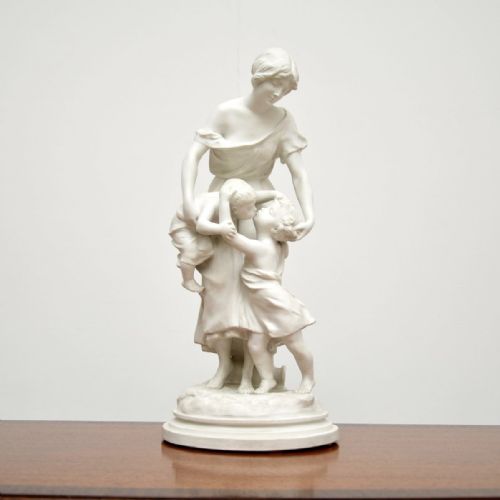
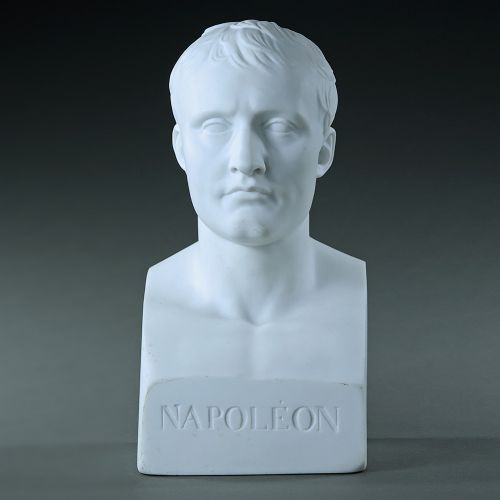
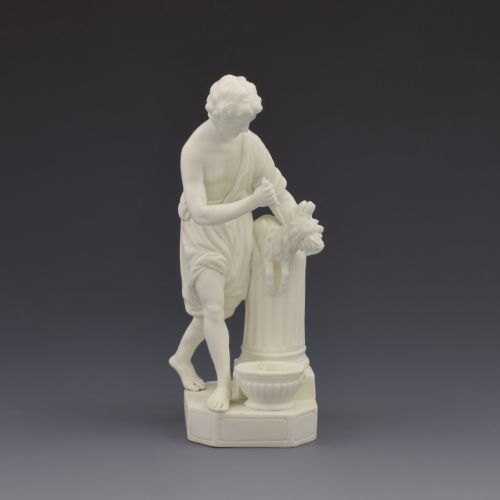
White bisque figures are unglazed porcelain sculptures that capture classical subjects and delicate human forms with a matte, marble-like finish.
White Bisque Figures
White bisque figures encompass unglazed ceramic sculptures, statuettes, and busts that range from intimate 18th-century porcelain groups to substantial 19th-century Victorian works. These pieces draw heavily on classical subjects, depicting figures such as Ariadne, the Three Graces, and classical women with doves or cornucopias.
The versions most commonly met on this page span the 19th century, including Victorian parianware, French biscuit porcelain, and English parian porcelain figures. Makers and factories across England, France, and Germany produced these ceramic sculptures to emulate carved marble for domestic display.
The selection includes individual figures, pairs such as 'Fast Sleep Wide Awake' or 'The Gardeners', and larger scale studies after notable sculptors. Subject matter frequently leans towards neoclassical themes, allegorical groupings, and portraits of figures like Princess Alexandra and Marie Antoinette.
Materials and Techniques
These pieces are made from porcelain compositions fired without glaze, creating the characteristic matte biscuit or parian surface texture. Soft-paste porcelain and specialised parian ware formulas allow the ceramic body to mature to a smooth, dense finish that resembles carved stone.
Makers utilised intricate mould-casting techniques to achieve the fine details seen in drapery, hair, and facial expressions on figures and busts. The absence of glaze ensures that light plays softly across the unglazed surface rather than reflecting off a glossy finish.
Markers of Quality
The reputation of the producing factory or modeller heavily influences the standing of a piece, with distinguished works bearing marks from established makers such as Copeland, Derby, or Chantilly. The subtlety of the biscuit finish and the proportional harmony of complex group compositions further distinguish superior sculptural examples.
Johann Heinrich Dannecker·Luca Madrassi·Triebner Ens And Co·Vion Et Baury·John Durham
The White Bisque Figures Glossary
- Bisque Porcelain
- Unglazed ceramic ware that has been fired once and retains a matte, porous texture resembling marble. It is also referred to as biscuit porcelain.
- Parian Ware
- A fine-grained unglazed porcelain developed in the 19th century to imitate carved marble for statues and busts. It takes its name from Parian marble from the island of Paros.
- Neoclassical
- A style spanning the 18th and 19th centuries that draws inspiration from the classical art and culture of ancient Greece and Rome. Figures often wear classical drapery and depict mythological or allegorical themes.
- Soft-Paste Porcelain
- An early ceramic composition fired at lower temperatures than hard-paste porcelain, producing a warm texture often found in 18th-century pieces. It provides a receptive base for unglazed biscuit figures.
- Figurine
- A small carved or moulded statuette representing a human or animal form. In ceramic collections, these range from single decorative figures to complex multi-figure groups.
White Bisque Figures: Frequently Asked Questions
What is the difference between bisque and parian porcelain?
Bisque porcelain is simply unglazed ceramic fired to a matte state, a method used across centuries from 18th-century factories onwards.
Parian ware is a specific 19th-century porcelain body formulated with a higher feldspar content to closely mimic the appearance and weight of carved white marble.
How should I clean unglazed white ceramic figures?
Because the surface of bisque and parian porcelain is porous and lacks a protective glaze, standard liquid cleaners can stain or become trapped in fine crevices.
Dust the piece gently with a soft dry brush or a dry microfibre cloth, avoiding harsh rubbing on delicate modelled areas like fingers and drapery.
Who were the Three Graces depicted in these ceramics?
The Three Graces are mythological figures representing charm, beauty, and creativity, frequently featured in neoclassical art and sculpture.
Derby and other period makers translated this classical subject into intricate biscuit porcelain figure groups for display in domestic interiors.
Were these figures meant to be functional or decorative?
White bisque and parian figures were created entirely for decorative display on mantelpieces, pedestals, and parlour tables as works of art.
They served as accessible alternatives to expensive marble sculptures, bringing classical mythology and portraiture into Victorian and Georgian homes.