




White Alabaster Sculpture
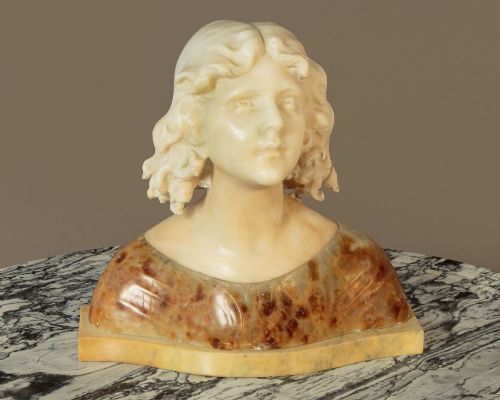
White alabaster sculpture captures the delicate translucence and expressive power favoured by nineteenth and early twentieth century European carvers.
White Alabaster Sculpture
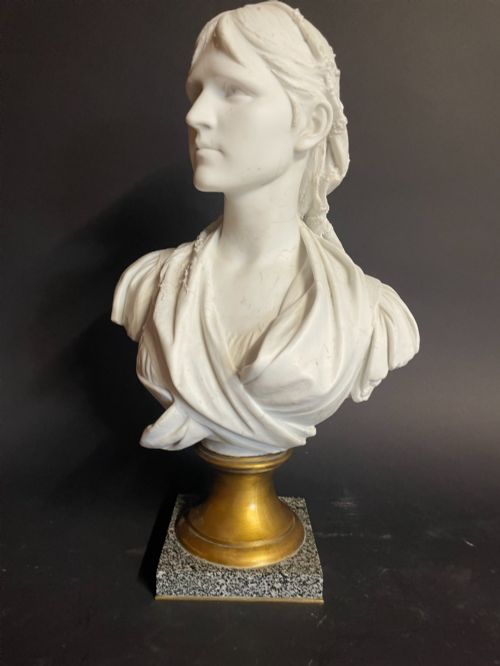
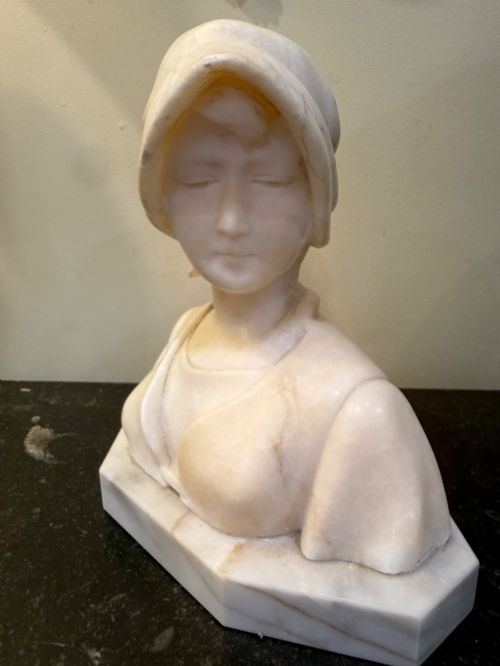
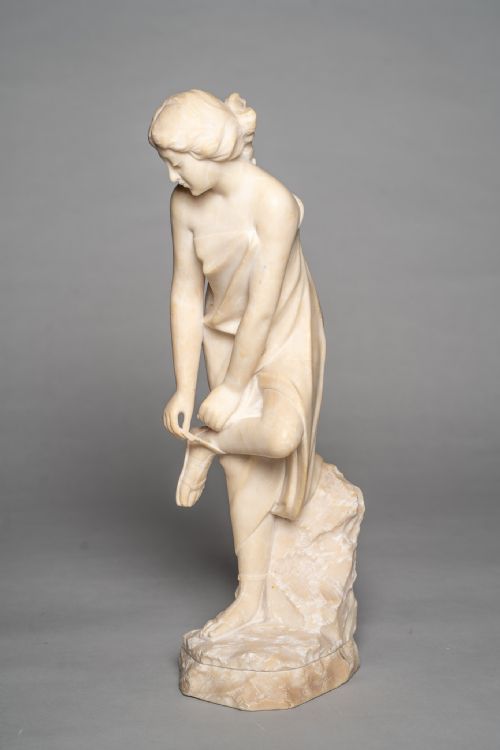
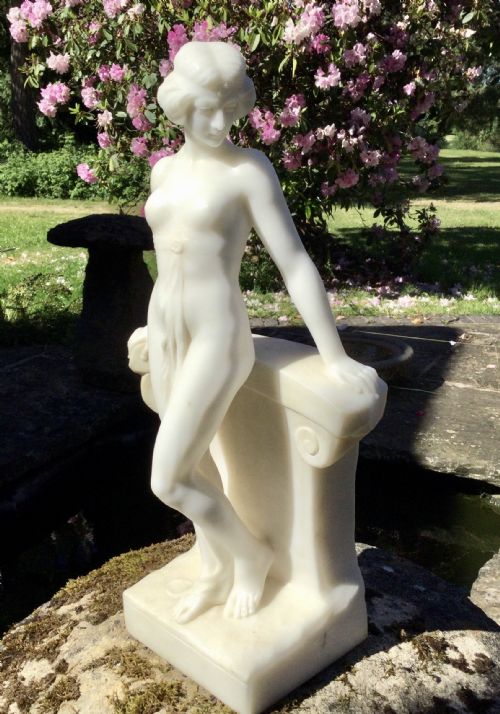
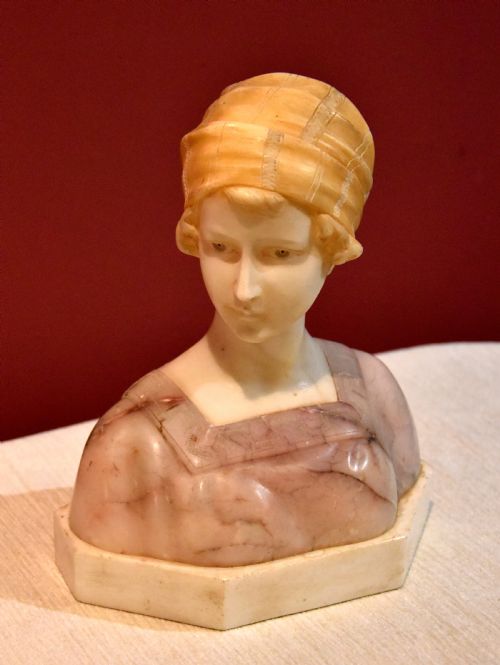
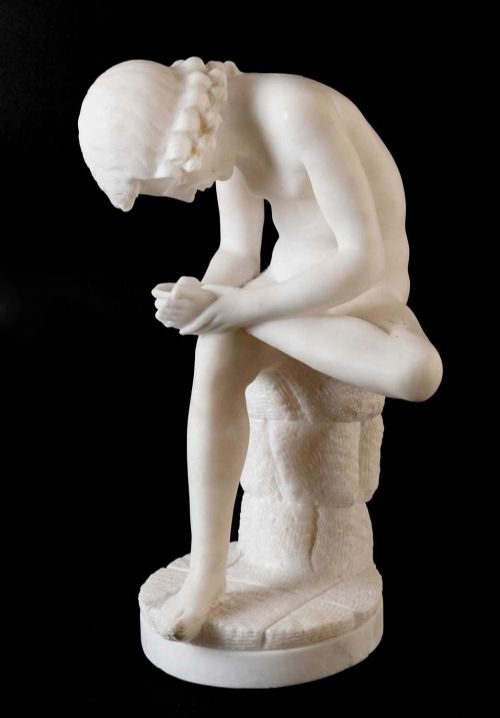
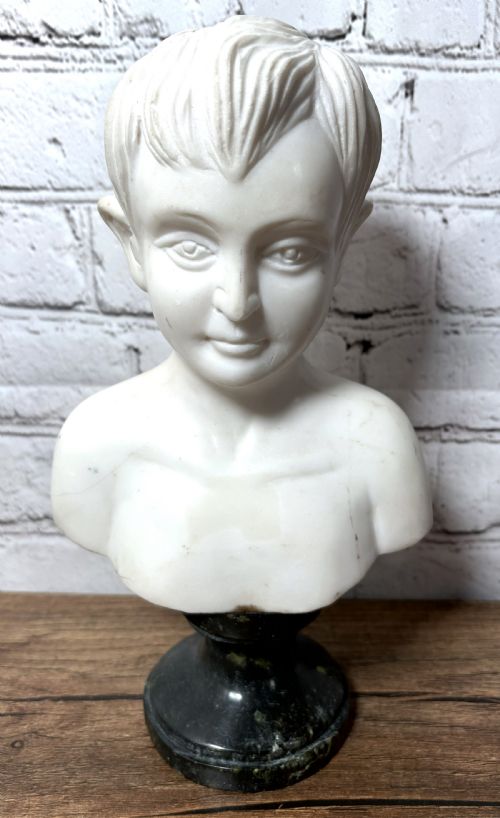
White alabaster sculpture encompasses carved portrait busts, figurative reliefs and classical figures produced across the nineteenth century and into the 1920s. A buyer exploring white alabaster sculpture encounters works ranging from intimate library busts of young women to large mythological figures and Grand Tour souvenirs. Italian and French workshops dominate these offerings, spanning Neoclassical, Art Nouveau and Art Deco movements.
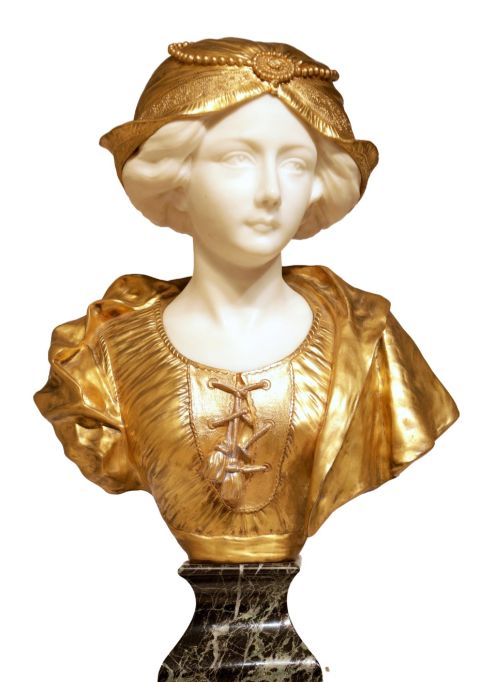
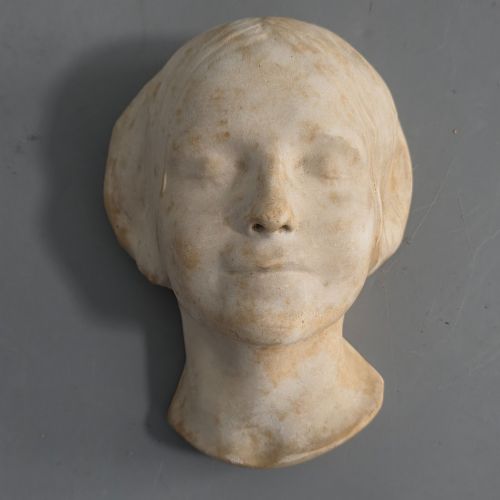
Portraits of young women, female allegories, and mythological deities form the core of the figurative works available. Sculptors utilised the soft stone to render flowing hair, draped garments and subtle facial expressions with remarkable intimacy. Alongside standalone figures, the listings feature profile plaques, wall hangings and sculptural groups depicting children or animals.
Materials and carving techniques
Carvers shaped white alabaster using hand chisels, gouges and rasps, finishing the surfaces with abrasives to achieve a smooth texture that mimics skin. Many pieces combine alabaster with white marble, gilt bronze or ormolu mounts to accent drapery or bases. Certain works integrate contrasting veined stone or metal elements to heighten decorative contrast.
Makers frequently signed their works directly into the plinth or base alongside foundry marks or inscribed titles. The stone itself requires careful interior carving due to its softness, allowing artisans to undercut hair and fabric in ways harder marbles resist.
White Alabaster Sculpture Retail Price Guide 2026
Typical asking prices for white alabaster sculpture among the pieces listed under this phrase on Sellingantiques today, from the lower quarter to the upper quarter. They describe what is for sale here now, not the wider market.
Materials documented across the inventory include carved alabaster, white marble, veined Carrara marble, brass, glass, and ormolu mounts.
Distinctions in quality and execution
The sensitivity of the carving dictates artistic success, particularly in portrait busts where subtle modulation brings stone to life. Signed pieces by recorded makers generally exhibit superior proportions and polish compared to unsigned commercial workshop output.
Affortunato Gory·Auguste Henri Carli·Fritz Kochendorfer·Antonio Frilli·Pugi·Cipriani·G.V. Vaerenbergh·P. Emilio Fiaschi·Joseph Gott·R. Lusili
The White Alabaster Sculpture Glossary
- Alabaster
- A fine-grained mineral commonly used for carving statues and decorative objects because it is soft enough to work easily and possesses a natural translucence.
- Bust
- A sculpted representation of a person from the chest or shoulders up, popular for portraiture during the Victorian and Edwardian periods.
- Grand Tour
- A cultural journey through Europe undertaken by upper-class young men in the eighteenth and nineteenth centuries, resulting in the acquisition of small sculptures and reliefs.
- Ormolu
- Gilt bronze mounts applied to furniture and sculpture bases, providing a rich metallic contrast to carved white stone.
- Relief
- A sculptural technique where the figures project from a flat background rather than standing in the round.
White Alabaster Sculpture: Frequently Asked Questions
Were these sculptures made for domestic display?
Most nineteenth-century alabaster busts and figures were created as parlour or library ornaments for middle and upper-class homes. Collectors also displayed them on dedicated plant stands and pedestals.
Larger mythological figures served as focal points in drawing rooms, while smaller portrait busts decorated mantelpieces and bookcases.
How do I identify the period of a piece?
Stylistic cues such as Neoclassical drapery, Art Nouveau hair styling or Art Deco geometric bases help assign a general timeframe. Inscribed dates, signatures and the presence of mixed media like ormolu also point to specific decades.
clothing styles and subjects, including Orientalist figures or classical goddesses, align with the dominant artistic tastes of the nineteenth and early twentieth centuries.
What is the difference between alabaster and marble?
Alabaster is softer than marble and allows light to penetrate slightly beneath the surface, giving it a warm, waxy glow. Marble is harder, heavier, and less translucent.
Sculptors favoured alabaster for indoor portraits and intimate figures where delicate undercutting of hair and fabric was desired.