


Whisky Decanter Stopper
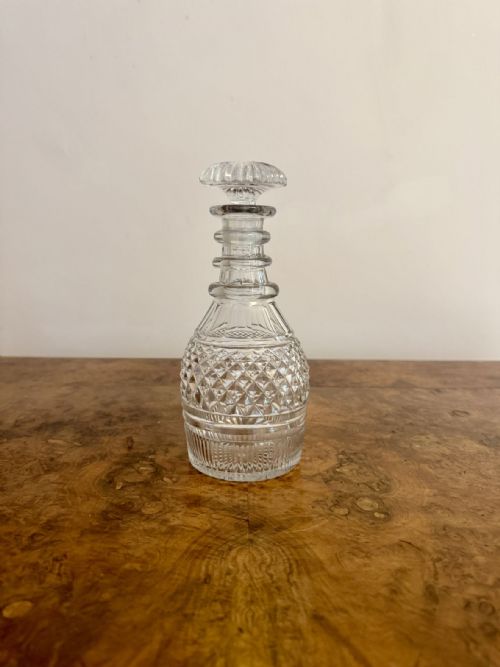
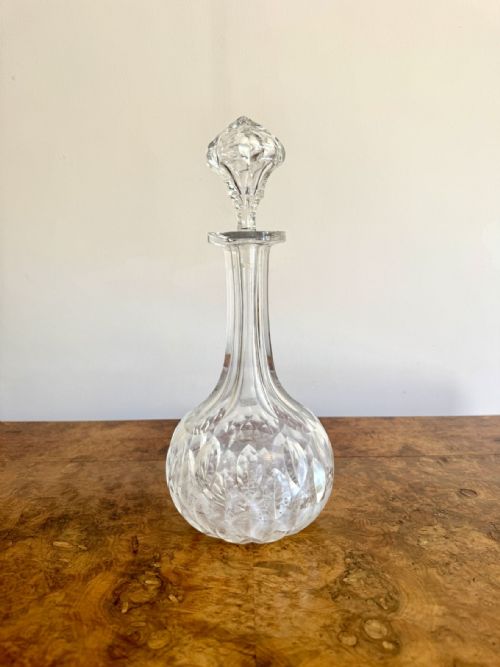
Whisky decanter stopper finds complete purpose when paired with period cut glass vessels originating from the nineteenth and early twentieth centuries.
Whisky Decanter Stopper
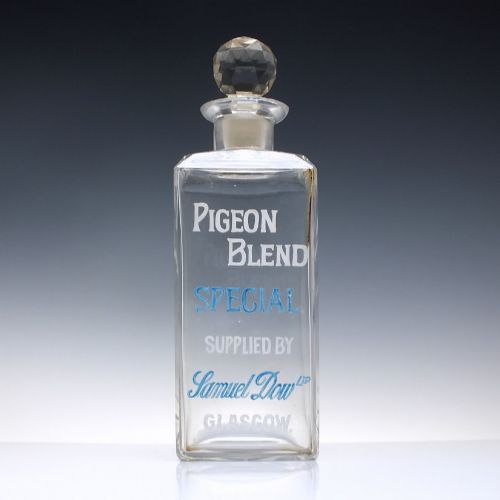
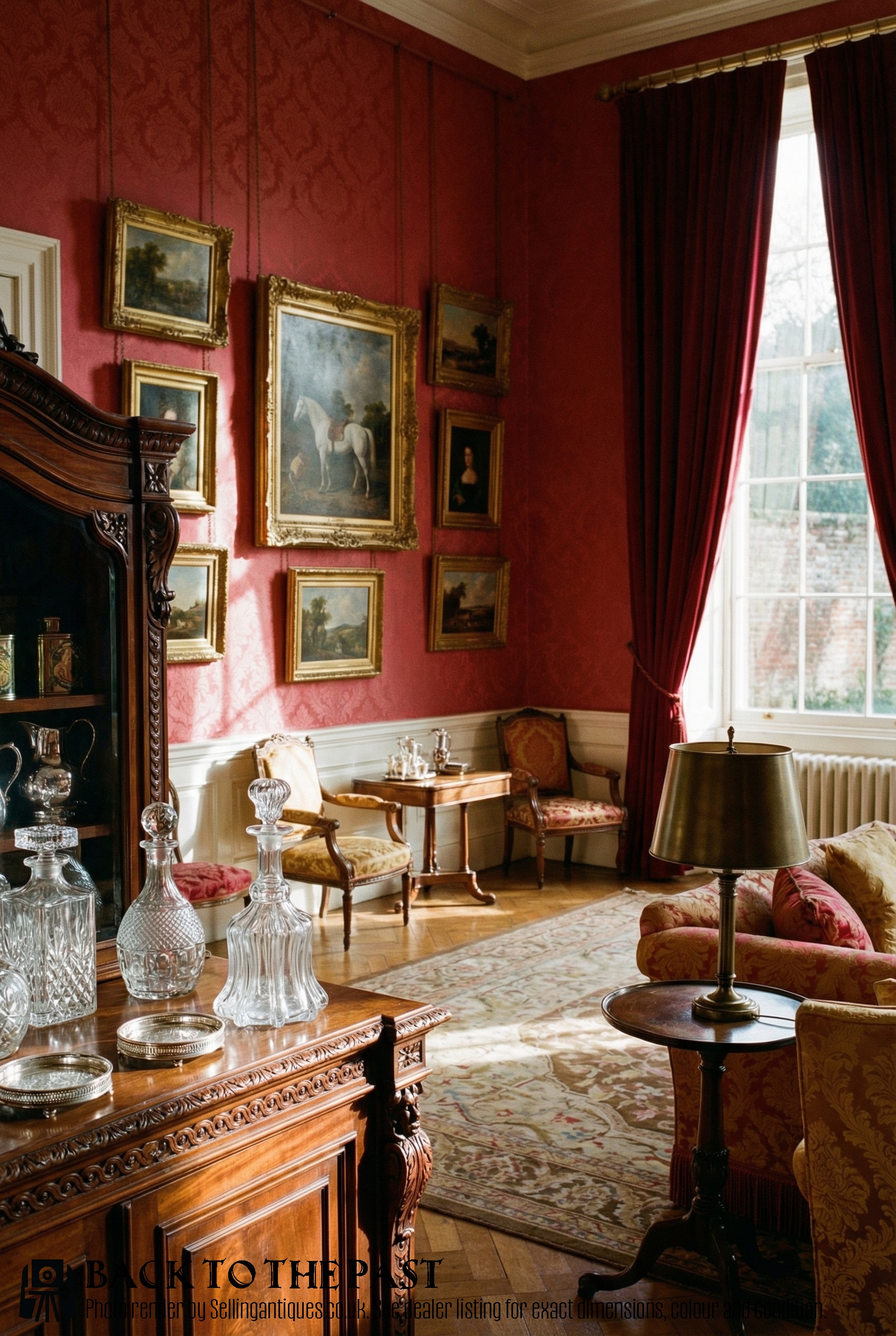
A whisky decanter stopper is the essential matching closure designed to seal spirit bottles securely, preventing evaporation and preserving the contents within the decanter. When you examine this category, you encounter individual replacement stoppers alongside complete matched vessels dating from the Georgian, Victorian, and Edwardian eras. The selections span straightforward clear glass forms through to specialised spirit containers labelled for Scotch, whisky, and specific regional blends.
The versions most commonly met on this page belong to the Edwardian period and the late Victorian years, typically formed from heavy cut glass or lead crystal. Alongside these, nineteenth-century examples emerge featuring hobnail cutting, bell shapes, and occasional silver collars or sterling silver mounts. Formats range from standard spherical and prism stoppers to thistle-shaped novelties and fitted locking mechanisms originating from makers such as Hukin and Heath or Betjemann Brothers.
Materials and construction methods
Glass production relied on traditional blowing and moulding techniques before skilled artisans applied deep brilliant-cut facets by hand against stone wheels. Cut glass, lead crystal, and clear glass dominated the period, complemented occasionally by coloured Bristol blue glass or green glass bodies. The resulting weight and light-refracting properties distinguish genuine period pieces from later reproductions.
Metal components involved sterling silver or silver-plated collars, mounts, and matching bottle labels securely fitted to the glass necks. Enamel work and hand-painted lettering appeared on specific Scottish merchant bottles, while hallmarked sterling silver mounts provided secure attachment points for locking hardware and hinged caps.
One remarkably shaped piece takes the literal form of a Scottish thistle complete with a silver-plated prickly exterior.
Distinctions in quality
Quality rests upon the crispness of the glass cutting, the weight and purity of the lead crystal, and the originality of the matching stopper. Superior pieces display sharp, clean facets without softening, alongside well-proportioned profiles such as hourglass or bell shapes that balance properly with their closures.
The integration of metal elements further differentiates the tier of a piece, separating standard commercial glassware from fine items featuring hallmarked sterling silver collars, maker-stamped mechanisms, or intricate hand-enamelled lettering associated with named distilleries and blends.
Hukin and Heath·Betjemann Brothers
The Whisky Decanter Stopper Glossary
- Cut glass
- Glassware shaped and decorated by holding the vessel against rotating abrasive wheels to cut deep geometric patterns. This technique creates sharp facets that scatter light across the surface of Victorian and Edwardian barware.
- Lead crystal
- High-purity glass containing lead oxide, which increases the weight, clarity, and refractive index of the material. It forms the heavy, resonant body found in nineteenth-century spirit decanters.
- Hallmark
- An official stamp applied to silver mounts and collars by an assay office to indicate the purity of the metal, the year of manufacture, and the maker. It provides a reliable method for dating the silver elements of a decanter.
- Bristol blue
- Deep cobalt-blue glass produced in England during the eighteenth and nineteenth centuries, frequently utilised for spirit bottles and ships decanters. Surviving examples often carry hand-painted gilt or white enamel labels naming the contents.
Whisky Decanter Stopper: Frequently Asked Questions
How do I match a replacement stopper?
Matching a replacement stopper requires measuring the diameter of the bottle opening and checking the length and ground profile of the peg. Period glass stoppers were individually ground to fit their specific vessels, so finding an exact historical match involves comparing both the collar shape and the glass clarity.
Take note of the cutting style on the decanter body, such as hobnail or fluting, and seek a stopper that mirrors those specific geometric patterns to maintain historical consistency.
Why do some decanters stick?
Decanters become stuck when residual spirit sugars dry and act as a natural adhesive between the ground glass surfaces of the stopper and the neck. Forcing the stopper can result in chipping the antique glass.
Applying a few drops of warm water or food-grade mineral oil around the joint and allowing it to penetrate slowly will often loosen the seal without damaging the material.
How do I date a glass decanter?
Dating relies on examining the form, the pontil mark on the base, the style of the cutting, and any accompanying silver hallmarks. Victorian pieces often display heavier lead crystal and deep prismatic cutting, while Edwardian examples favour refined floral motifs or simpler geometric bands.
Silver collars bearing town marks and date letters provide the most precise chronological indicator for pieces manufactured during the nineteenth and early twentieth centuries.