


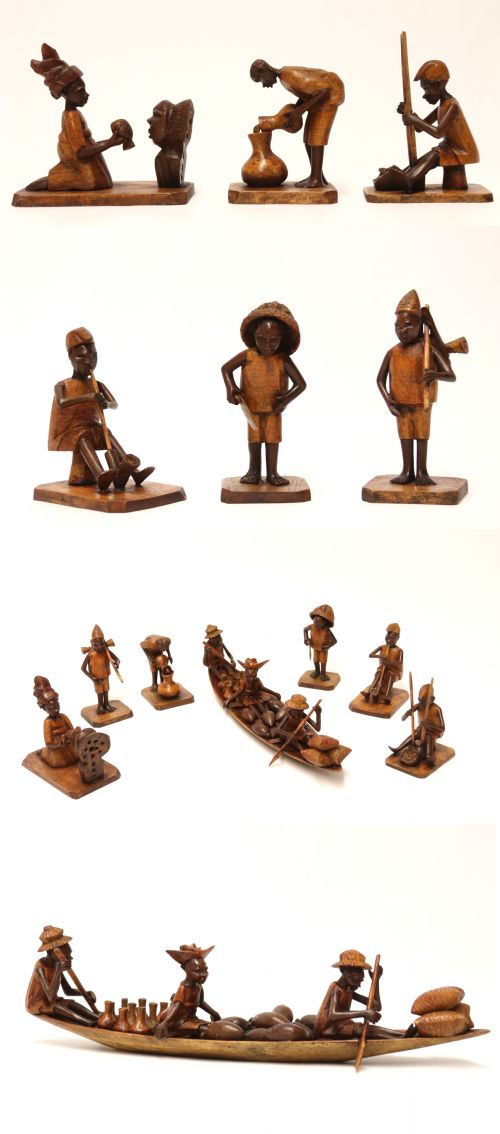


West African Carving
A west african carving brings ritual power and deep sculptural form into a modern room, anchored in centuries of traditional woodworking.
West African Carving
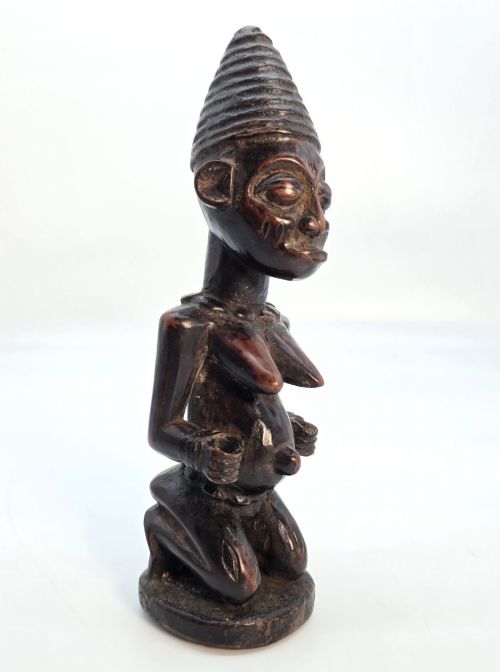
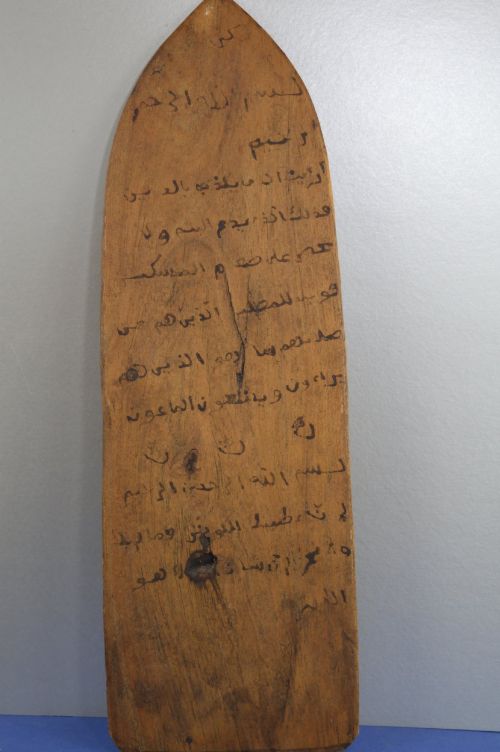
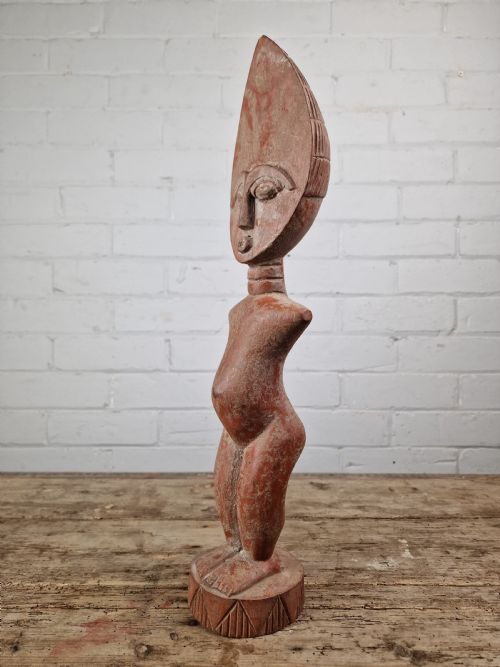
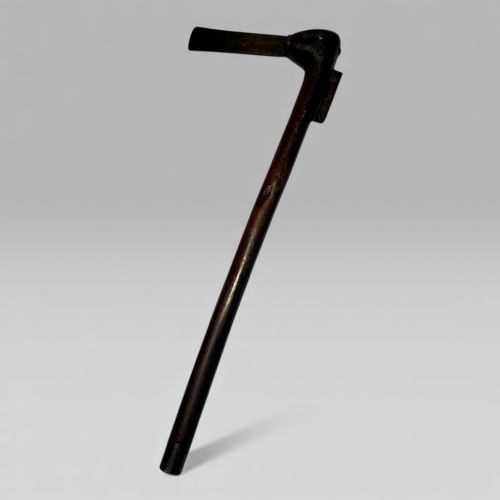
A west african carving encompasses ritual figures, ceremonial axes, tribal masks, and functional stools rooted in the heritage of specific communities such as the Yoruba, Ashanti, Baule, and Dogon. These objects emerge from distinct regional traditions across countries like Nigeria, Ghana, Mali, and the Ivory Coast, representing both sacred practices and daily leadership.
The pieces available span from the nineteenth century through the Edwardian era into the mid-twentieth century, showing a mix of patinated wood, bronze, brass, and bone. Buyers frequently encounter wooden stools, figures, and masks displaying the deliberate marks of traditional hand tools and accumulated ritual pigments.
Materials and Methods
Makers shaped these objects primarily from local hardwoods and padouk using adzes, chisels, and knives to establish strong geometric and organic silhouettes. The resulting surfaces often retain tool marks that describe the physical process of reduction from solid timber.
Evaluating Quality
Surface integrity and genuine wear elevate a piece, particularly when historical pigments remain intact and the patina shows deep organic accumulation from handling and exposure. Authenticity of tribal function and clear regional attribution distinguish the most compelling examples.
Abegunde of Ede
The West African Carving Glossary
- Patina
- The surface sheen and colour developed on wood, metal, or bone through age, handling, and environmental exposure. A genuine patina provides tactile evidence of history and use.
- Pigment
- Natural colouring matter applied to the surface of wood or ritual objects to enhance symbolic details. These substances often penetrate the grain over long periods.
- Hardwood
- Dense timber from broad-leaved trees utilised by carvers for its durability and fine grain. This material allows for crisp detailing in masks and figures.
- Ceremonial
- Pertaining to sacred rituals, royal authority, or community rites rather than domestic utility. These objects carried profound status within their original societies.
- Tribal art
- Creative output originating from indigenous African communities operating within distinct cultural and spiritual frameworks. Each style reflects the specific worldview of its makers.
West African Carving: Frequently Asked Questions
What are tribal masks used for?
Tribal masks played central roles in community ceremonies, agricultural rituals, and spiritual transitions, worn during dances that connected the living with ancestral spirits.
These performances reinforced social order and cultural memory within villages across regions like the Ivory Coast and Mali.
How do I care for wooden carvings?
Keep wooden sculptures and masks away from direct sunlight and sudden temperature shifts to prevent the timber from splitting or drying out.
Maintain stable indoor humidity and dust the surface gently with a dry, soft cloth without applying modern polishes or oils.
How can I tell the age?
Dating relies on assessing the oxidation of the wood, the depth and consistency of the patina, and the specific tool marks left by traditional hand implements.
Stylistic conventions and historical documentation associated with specific groups like the Yoruba or Ashanti further help place an object in a broader era.
What is an Ashanti stool?
An Ashanti stool served as a personal seat of honour and the spiritual focal point of its owner's household, often carved from a single piece of wood.
These objects absorbed the personal essence of the user over time and were frequently preserved as ancestral shrines after the owner passed away.