




Welsh Vernacular Oak Furniture
Welsh vernacular oak furniture brings honest regional character into a room through sturdy timbers and unpretentious country forms.
Welsh Vernacular Oak Furniture
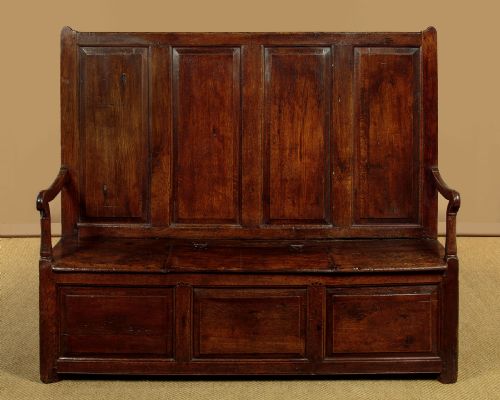
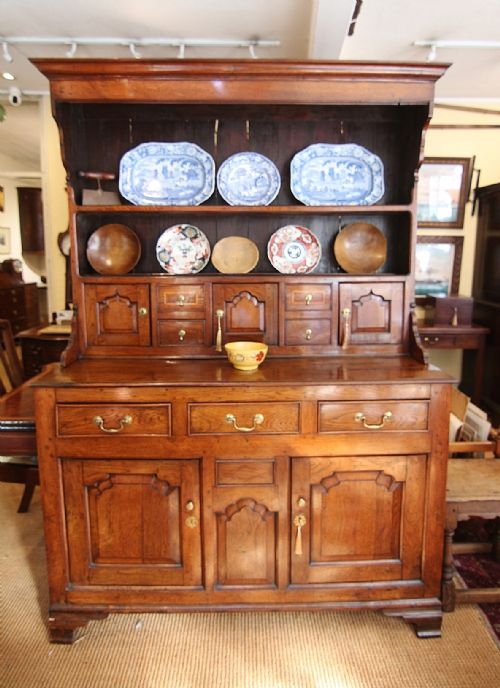
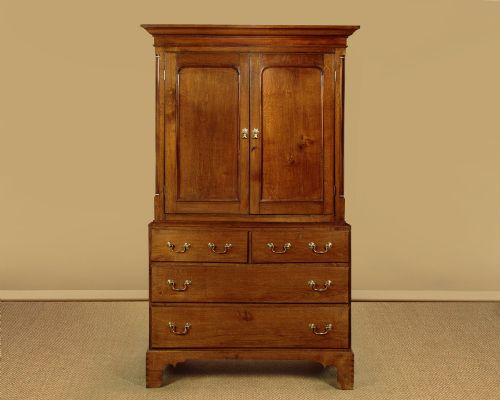
When buyers search for welsh vernacular oak furniture, they encounter domestic pieces made by local craftsmen for everyday use in rural homes. These items range from large storage forms like dressers and press cupboards to seating and tables built without metropolitan academic restraint.
The pieces on this page are dominated by 18th century and 19th century examples, alongside earlier 17th century survivals. Dressers, side tables, and armchairs predominate, reflecting the practical domestic requirements of Welsh farmhouses and cottages.
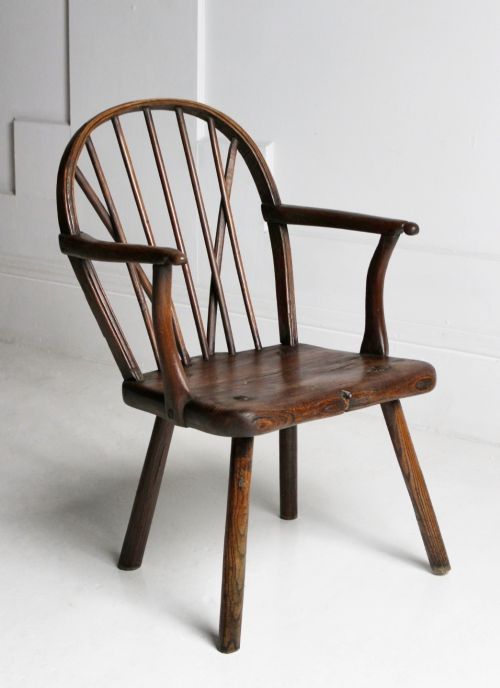
Regional variations emerge across different valleys and counties, yielding distinct regional seating such as stick chairs and comb back Windsors alongside heavy case furniture like the tridarn and deuddarn.
How They Were Made
Makers utilised native hardwoods, principally oak for structural frames and principal surfaces, supplemented by elm, ash, and pine for secondary parts or internal linings. Brass hardware and iron fixings provide operational strength to doors and lids.
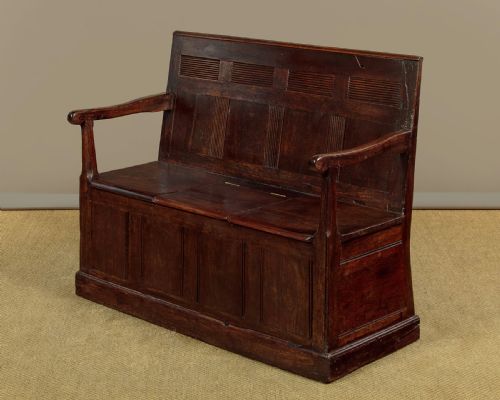
Construction relies on traditional joinery techniques appropriate to rural workshops, combining pegged mortise and tenon joints with turned spindles and solid board construction. Painted finishes occasionally appear alongside polished or waxed bare timber surfaces.
What Varies in Quality
Quality in these rural items rests upon the integrity of the timber selection and the architectural ambition of the regional form. Well proportioned case pieces with original tiers, balanced carving, and substantial panel thickness represent the upper echelon.
Surviving surface patination and the retention of original structural elements, such as feet, racks, and hardware, dictate the standing of an individual piece. Lesser examples display heavy timber replacement, lost upper plate racks on dressers, or structural simplification.
The Welsh Vernacular Oak Furniture Glossary
- Vernacular
- Objects made by local craftsmen for local use rather than following high style metropolitan fashions. These pieces reflect regional traditions and available materials.
- Tridarn
- A three stage Welsh cupboard featuring an open middle tier supported by posts. It represents one of the most ambitious forms of regional storage.
- Coffor Bach
- A miniature coffer or small chest made to store valuables or linen. They frequently feature turned feet and detailed panel construction.
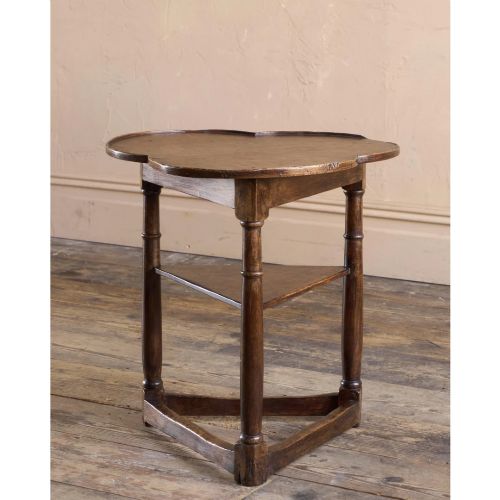
- Cricket Table
- A small, lightweight occasional table with three splayed legs. The design provides stability on uneven stone or flagged cottage floors.
- Stick Chair
- A chair constructed with a solid wooden seat into which independent legs and back sticks are wedged. This form relies on sheer functional geometry.
Welsh Vernacular Oak Furniture: Frequently Asked Questions
What is a tridarn?
A tridarn is a substantial three stage Welsh cupboard designed for displaying and storing household goods. It stands as one of the most ambitious forms produced by rural joiners.
The upper tiers typically feature open display shelves flanked by panels, sitting above a lower enclosed cupboard base.
How do I identify a coffor bach?
A coffor bach is a miniature coffer or chest built in miniature scale, often featuring panelled construction and small feet. They served as valuable receptacles for important documents or linens.
Craftsmen lavished the same attention to detail on these small chests as they did on full sized furniture.
Where were stick chairs made?
Stick chairs were made by local joiners across various Welsh valleys and rural districts using locally felled timbers. Each region developed subtle variations in the shaping of the seat and the arrangement of the back sticks.
They were designed for practical seating around farmhouse hearths.
What makes a cricket table different?
A cricket table has three splayed legs instead of four, ensuring it remained stable on uneven stone floors. The top is frequently triangular or circular.
These small tables served versatile functions as occasional stands or bedside surfaces in cottages.