





Welsh Primitive Furniture
Welsh primitive furniture consists of utilitarian country chairs, benches, tables and chests shaped by regional makers from local woods.
Welsh Primitive Furniture
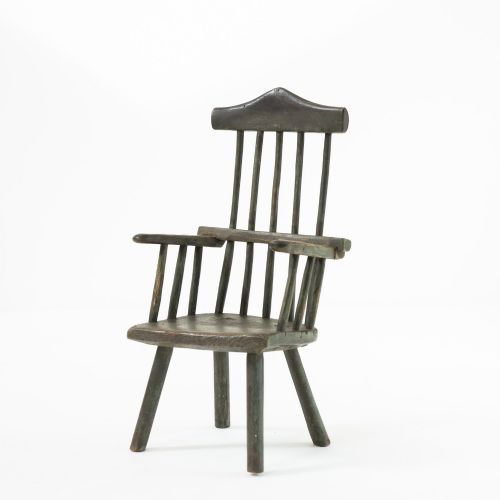
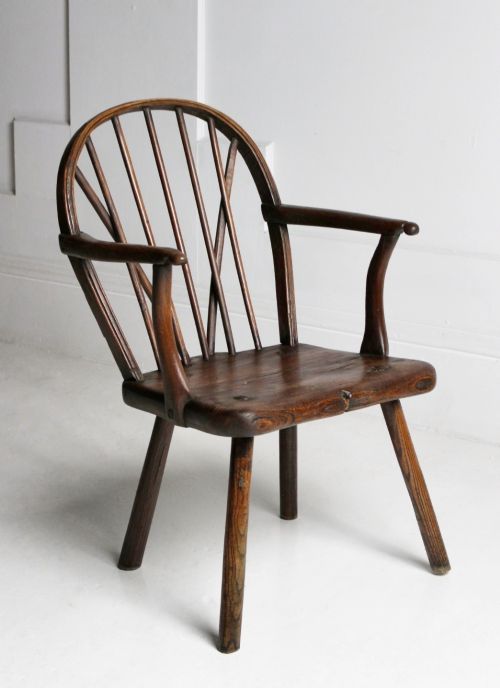
Welsh primitive furniture comprises honest, functional items built for domestic country life across several centuries. When searching for Welsh primitive furniture, buyers encounter stick back armchairs, comb back Windsors, cricket tables, low benches and oak coffers.
The pieces listed here lean heavily toward seating forms, particularly stick back and comb back chairs originating from areas such as Snowdonia, the Swansea Valley and Carmarthenshire. Alongside these chairs, simpler tables and storage chests appear in regional timbers.
Construction and materials
Maker workshops relied upon readily available native hardwoods including oak, ash, elm and burr elm. Structural elements utilised iron fastenings where necessary, while surviving surfaces often retain traces of early paint.
Joinery methods reflect straightforward regional vernacular techniques rather than urban cabinet-making standards. Thick plank tops, shaved spindles and cleft seats reveal the direct use of drawknives and pole lathes.
Welsh Primitive Furniture Retail Price Guide 2026
Typical asking prices for welsh primitive furniture among the pieces listed under this phrase on Sellingantiques today, from the lower quarter to the upper quarter. They describe what is for sale here now, not the wider market.
Current listings span the seventeenth, eighteenth and nineteenth centuries, featuring oak, ash, elm, burr elm and paint.
Evaluating quality and character
Quality in this category rests upon the honesty of the construction, the integrity of the surviving timber and the clarity of regional form. Pieces showing untouched patination and balanced proportions command greater attention than those with extensive later alterations.
The selection of timbers also dictates distinction, particularly where figured burr elm or characterful oak grain enhances the surface. Proportion, wear patterns and the harmony of mixed woods within a single stick chair separate standard examples from finer survivals.
The Welsh Primitive Furniture Glossary
- Stick back
- A chair construction method where turned or cleft spindles are inserted directly through a solid wooden seat. This method forms the backrest and arm supports.
- Comb back
- A Windsor chair variation featuring a high headboard or comb piece supported by vertical spindles rising from the arm rail. It provides additional upper back support.
- Coffer
- A large wooden chest used primarily for storage, often constructed from heavy oak planks with simple panel or boarded sides. Surviving examples frequently date to the seventeenth century or earlier.
- Cricket table
- A small three-legged occasional table featuring a triangular top and pegged wooden legs. The design remained stable on uneven flagstone floors.
- Vernacular
- Objects designed and built by local craftspeople for everyday use, following traditional regional patterns rather than high-style academic fashions.
Welsh Primitive Furniture: Frequently Asked Questions
What is Welsh primitive furniture?
Welsh primitive furniture encompasses functional wooden objects created by rural makers using native timbers. These items include chairs, benches, tables and storage chests shaped by traditional regional designs.
Such pieces reflect the practical needs of Welsh country life, avoiding urban decorative conventions in favour of sturdy, direct construction.
How do I date these pieces?
Dating relies upon examining construction methods, tool marks, timber shrinkage and regional styling conventions. Earlier examples from the seventeenth and eighteenth centuries often display heavier oak framing and simpler joinery.
Nineteenth-century pieces introduce lighter proportions and more refined turning while maintaining traditional stick back and Windsor forms.
Where were these items made?
Makers worked across various Welsh regions, with specific valleys and counties developing distinct chair-making traditions. Local variations appear in Snowdonia, the Swansea Valley, Carmarthenshire and Montgomeryshire.
Availability of specific woods in each locale dictated the choice of oak, ash, elm or burr elm used in the workshop.
How do I care for primitive wood?
Maintain stable indoor humidity levels and keep wooden surfaces away from direct heat sources and strong sunlight. Gentle dusting with a dry or slightly damp cloth preserves the dry historic finish.
Avoid modern chemical polishes that can penetrate unsealed grain or alter the natural patination built up over centuries.