




Welsh Longcase Clock
A welsh longcase clock brings regional cabinet-making and tall timekeeping together in a single domestic object.
What Defines a Welsh Longcase Clock
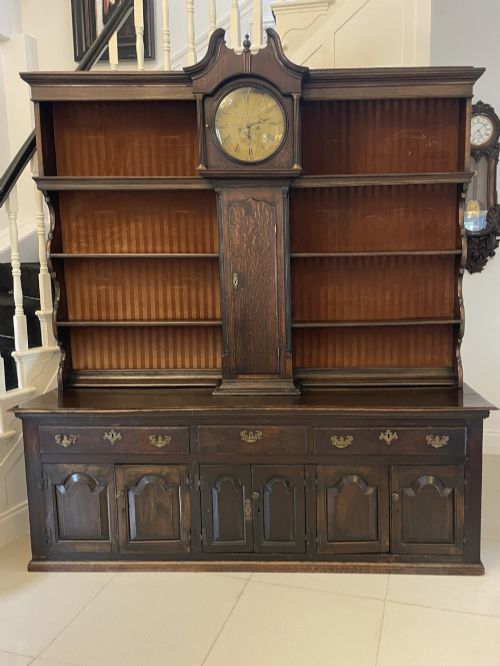
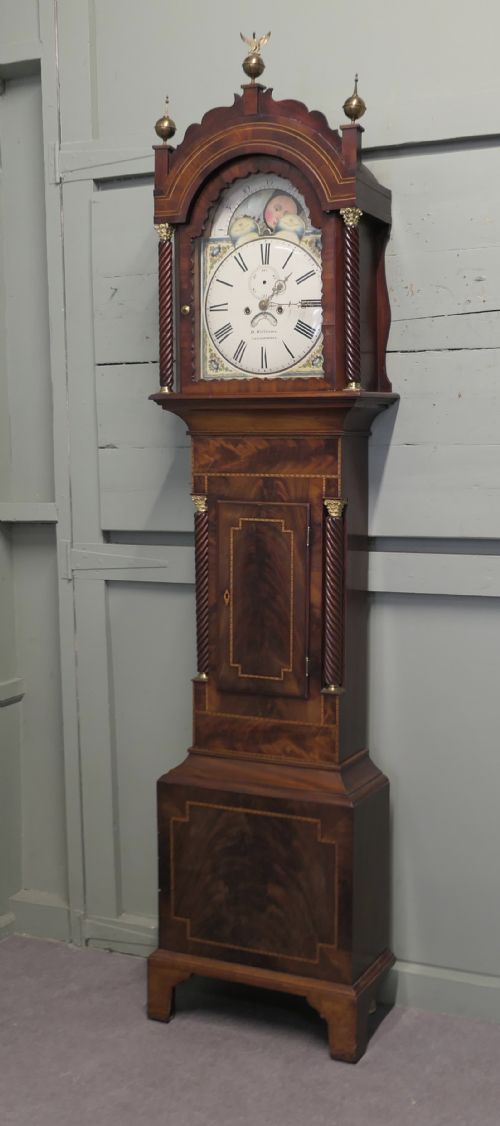
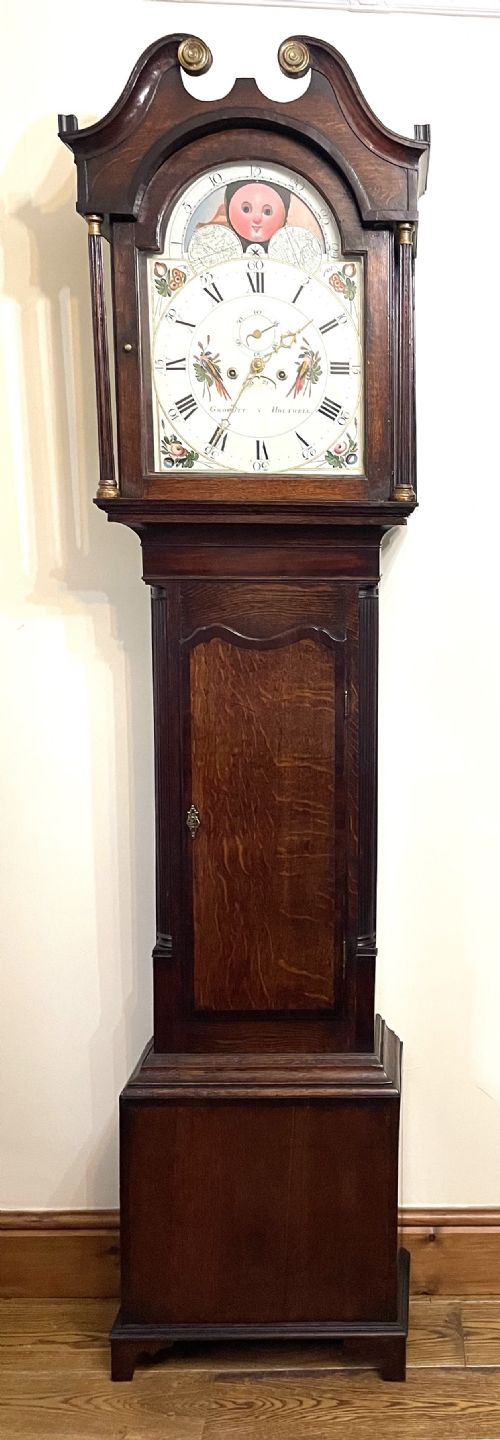
A welsh longcase clock combines regional cabinet-making with tall timekeeping, emerging most frequently from the eighteenth and nineteenth centuries. These timepieces take the form of tall wooden cases enclosing weights and pendulums, topped by distinct painted or brass dials.
Makers from various towns across Wales signed their work on these dials, recording local horological history. Oak and mahogany appear most often in the timber cases, housing movements that range from thirty-hour country clocks to eight-day mechanisms.
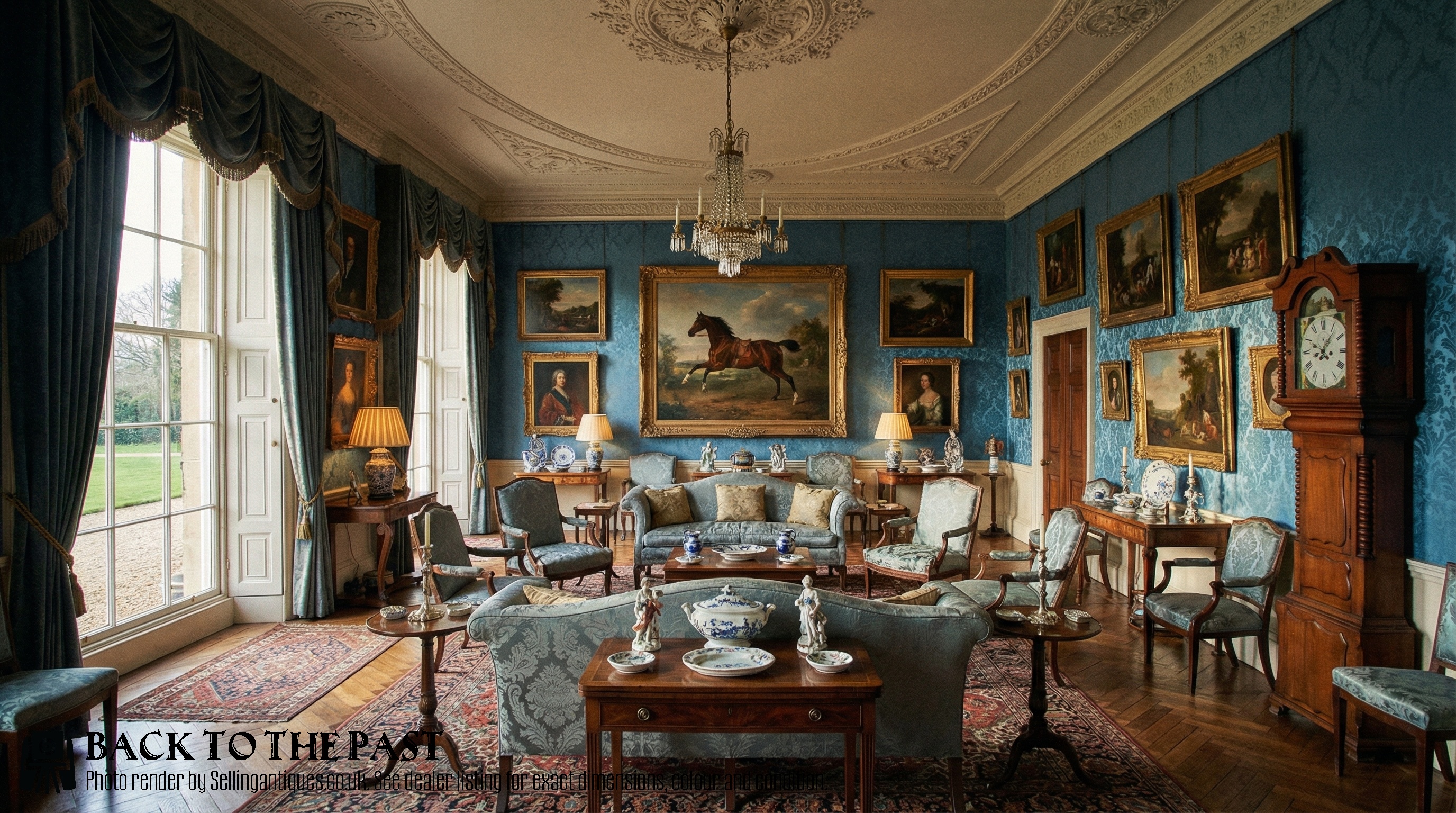
Distinctions in Quality
The refinement of the timber case and the sophistication of the dial distinguish individual examples. Cabinets utilising figured mahogany or burr oak veneer demonstrate greater joinery ambition than standard regional oak.
The movement complexity further separates standard utility pieces from advanced work, particularly where rolling moon mechanisms, arch dials, or moving eyes complicate the dial face.
Retail Price Guide 2026
Typical UK retail prices for welsh longcase clock, calculated from the Sellingantiques database of over a million retail prices indexed since 2003. This retail price guide relies exclusively on Sellingantiques data; no external sources or auction records are used, so the figures do not describe the wider market.
Listings span the Georgian, William IV, and Victorian periods, using oak, mahogany, burr oak veneer, and brass.
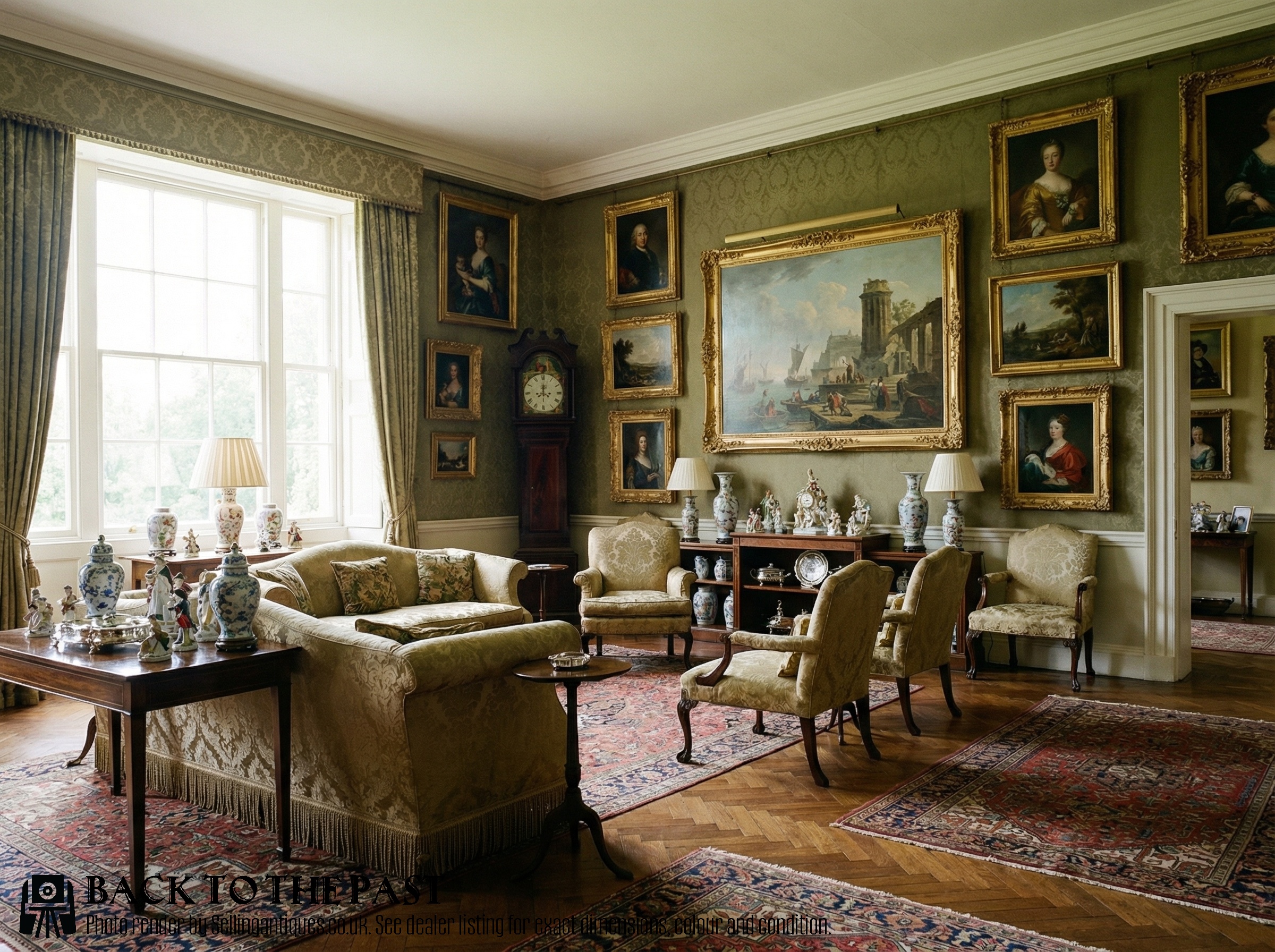
D Williams of Crickhowell·James Harvey of Abergavenny·Rob Parry Pwllheli·M Thomas Caernarfon·John Jones Pwllheli·Joyce Ruthin·Watkin Owen of Llanrwst·George Jackson Llanrwst·Samuel Roberts of Llanfair Caereinion·Robert Jones of Ruthin·William Hopkin of Llandeilo·Moses Evans of Llangernyw·M Harris of Swansea
The Welsh Longcase Clock Glossary
- Longcase clock
- A tall freestanding pendulum clock enclosed in a wooden case, commonly known as a grandfather clock.
- Arch dial
- A clock face featuring a rounded upper section above the main circular dial, often housing moonphase displays.
- Rolling moon
- A mechanism behind the dial that tracks the phases of the lunar cycle through a rotating painted disc.
- Peg jointed
- A traditional method of securing timber framing using wooden dowels rather than metal fasteners.
- Crossbanded
- A decorative technique where veneer strips are applied across the grain of the primary wood panel.
Frequently Asked Questions
How do I tell an 18th century clock from a 19th century one?
Eighteenth-century examples rely more frequently on brass dials and solid oak construction, reflecting simpler country workshop traditions.
Nineteenth-century pieces often introduce painted iron dials, mahogany veneers, and arch configurations with rolling moon mechanisms.
Did all these clocks come from Wales?
The recorded makers and regional styles tie these longcase clocks directly to Welsh towns such as Llanrwst, Ruthin, and Pwllheli.
Local cabinet-makers and clockmakers built these pieces to serve domestic Welsh households using regional timbers.
What woods were used for the cases?
Oak appears as the primary material in earlier and regional country pieces, offering durability and local availability.
Mahogany and burr oak veneer gained preference in later Georgian and nineteenth-century examples for a more refined finish.