




Wedgwood Lustre Decorative Dish
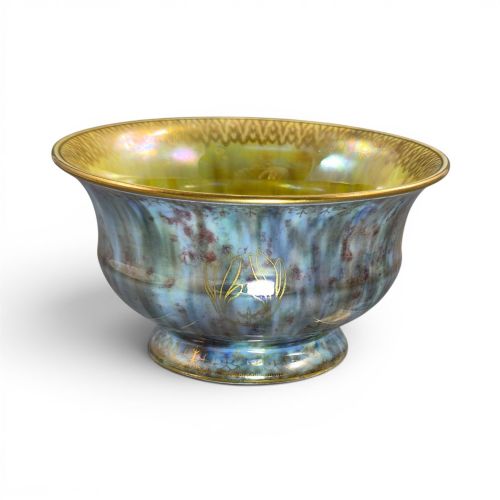
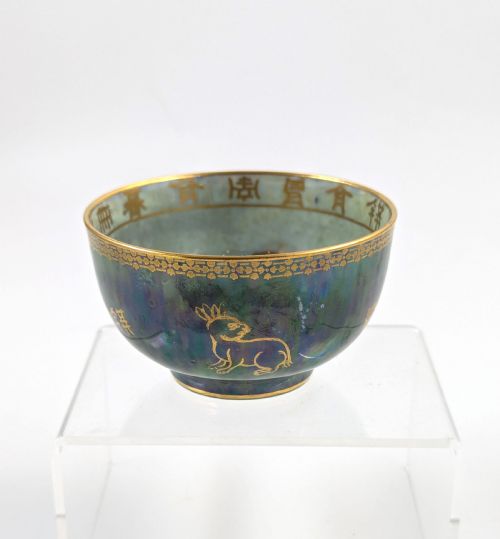
These pieces of wedgwood lustre decorative dish bring iridescent colour and complex imagery from the Edwardian era straight to your table.
Wedgwood Lustre Decorative Dish
A wedgwood lustre decorative dish combines traditional ceramic forms with vibrant metallic glazes that catch the light from every angle. When you browse this selection, you encounter decorative bowls rooted in the Edwardian period and the decades immediately following.
The objects on this page span several distinct visual themes created during the 1910s and 1920s. Dragon motifs, butterflies, and mythical phoenix designs dominate the porcelain and bone china surfaces.
Art Nouveau and Art Deco sensibilities inform the geometry and ornamentation of these pieces. Octagonal bowls and rounded vessels display intricate patterns developed by notable designers of the era.
How they were made
Potters shaped these vessels from fine bone china and porcelain before applying specialised lustre glazes. The metallic glaze reacts during firing to produce a shimmering, iridescent finish.
Workers added meticulous detail using gold leaf and gold gilt highlights over the base glaze. Multiple kiln firings were required to bond the metallic oxides and achieve the deep colour gradients.
These brilliant bowls transform ordinary rooms into miniature dragon lairs.
What varies in quality
The depth and brilliance of the metallic glaze set the standard for these items. Rich colour saturation and precise application of the lustre determine visual impact.
The complexity of the hand-painted motifs and the crispness of the gilt detailing dictate the finesse of the piece. Masterful execution of intricate dragon and butterfly patterns elevates certain bowls above simpler designs.
Daisy Makeig Jones·James Hodgkiss·Wedgwood
The Wedgwood Lustre Decorative Dish Glossary
- Lustre Glaze
- A ceramic finish containing metallic oxides that creates an iridescent sheen upon firing. This technique produces the signature rainbow effect seen across these bowls.
- Bone China
- A type of porcelain incorporating bone ash for enhanced strength and translucency. It serves as the refined white canvas for colourful metallic decoration.
- Gilt
- A thin layer of gold applied to the surface of the ceramic for decorative enrichment. Artisans used this to outline patterns and accentuate rims.
- Art Nouveau
- A decorative style characterised by flowing, organic lines and natural motifs popular in the early twentieth century. This aesthetic heavily influences the curves of these bowls.
- Art Deco
- A design movement favouring geometric symmetry and streamlined modern forms that emerged after the First World War. It appears in the structured shapes of the later bowls.
Wedgwood Lustre Decorative Dish: Frequently Asked Questions
How do I display a lustre bowl?
Place your bowl where natural light can strike the iridescent glaze and highlight the metallic sheen. Ensure it sits on a stable, flat surface away from busy edges.
Keep the piece out of direct, harsh sunlight to preserve the richness of the colours over time. Simple, unobstructed placement allows the intricate painted details to remain the focal point of the room.
Are these bowls from the Edwardian period?
Many examples originate from the 1910s and the Edwardian era, while others date into the 1920s. The designs span a specific creative window in early twentieth-century ceramics.
Stylistic cues such as Art Nouveau curves and complex mythical motifs help anchor these pieces in their proper historical timeframe. Examining the specific pattern numbers can also clarify the production era.
What materials make up the glaze?
The finish relies on metallic glazes that incorporate mineral oxides to achieve their trademark iridescence. Artisans often supplemented these with gold leaf and gilt details.
Firing these compounds at precise temperatures caused the metallic elements to float to the surface. This chemical reaction created the characteristic rainbow gloss unique to this ware.
How do I identify a dragon bowl?
Look for painted depictions of mythical creatures winding across the interior or exterior porcelain surfaces. Titles often specify variants like celestial dragons or king dragons.
These creature motifs are rendered in rich tones contrasting against mottled orange, green, or dark background glazes. The detailed hand-painting ensures each dragon design possesses distinct character.