


Vintage Wedgwood China Bowl
These vintage wedgwood china bowl examples bring imaginative lustre glazes and classical forms into your home.
Vintage Wedgwood China Bowl
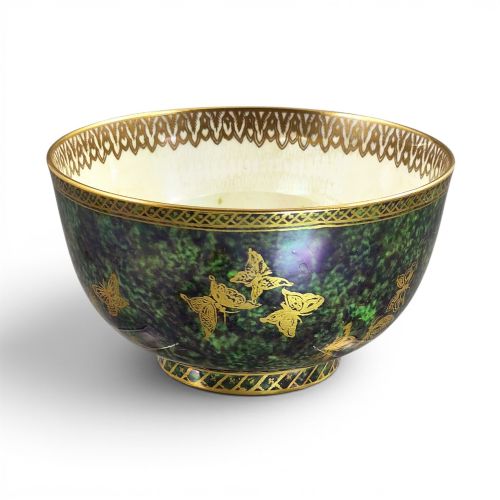
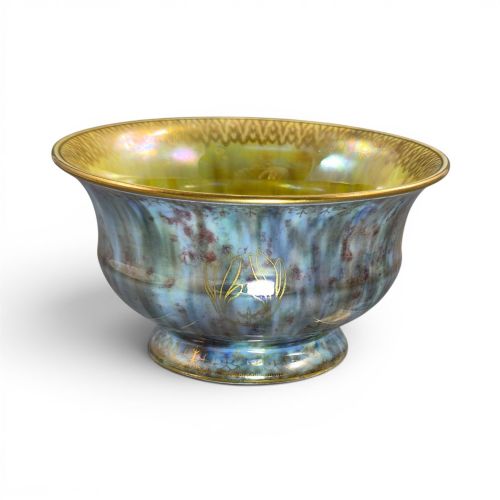
When you search for a vintage wedgwood china bowl, you encounter decorative vessels produced during periods spanning from the late nineteenth century into the twentieth century. These pieces encompass Edwardian and 1910s creations, including notable designs by Daisy Makeig-Jones and James Hodgkiss. The selection on this page focuses heavily on distinctive lustre bowls featuring intricate motifs.
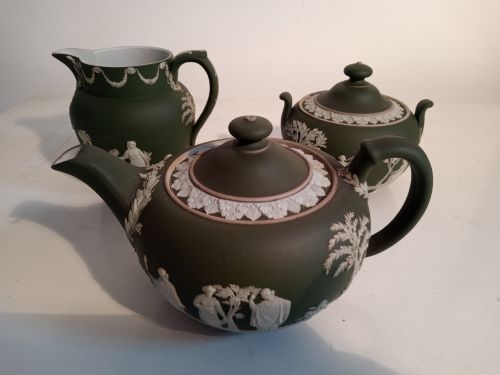
The assortment includes specialised forms such as Fairyland lustre bowls, miniature bowls, and octagonal bowls alongside broader decorative bowls and tea sets. Stylistic influences range from Art Nouveau and Art Deco to Victorian Neoclassical and Edwardian aesthetics. Buyers frequently find olive green bachelor teasets and richly decorated dragon or butterfly pieces among the options.
How they were made
The manufacturing process relies upon traditional ceramics such as porcelain, bone china, and stoneware as fundamental body materials. Artisans applied specialised glaze finishes, including vibrant lustre glaze and standard glaze, to create reflective and luminous surface effects. Gold leaf and detailed enamel work were frequently added to embellish the designs.
Makers utilised skilled hand-painting and transfer techniques to apply complex narrative or patterned scenes across the pottery surface. Firing methods required precise kiln control to achieve the iridescent qualities characteristic of Fairyland lustre and related decorative lines.
Coiling dragons and mischievous fairies peer out from the shiny glaze, turning a simple tea table into an enchanted forest.
What varies in quality
The standard of execution in painting and gilding largely defines the distinction between standard production and masterwork pieces. Intricate hand-painted motifs executed by renowned designers demonstrate superior artistic ambition compared to simpler decorative applications. The complexity of the lustre effects and the richness of the enamel colours contribute significantly to the visual depth.
Preservation of the delicate surface finishes and original gold leaf details directly influences the integrity of each item. Pieces featuring elaborate pictorial scenes or multi-layered lustre glazes represent the more complex end of the manufacturing spectrum.
Daisy Makeig Jones·James Hodgkiss
The Vintage Wedgwood China Bowl Glossary
- Lustre Glaze
- A ceramic finish containing metallic elements that produces an iridescent, pearl-like sheen upon firing. This technique creates the glowing, reflective surfaces seen on many decorative bowls.
- Bone China
- A type of soft-paste porcelain incorporating animal bone ash for added strength and whiteness. It provides a thin, translucent body suitable for refined tableware.
- Jasperware
- A type of unglazed stoneware developed with a matte finish, typically featuring applied white clay reliefs against a coloured ground. It remains a hallmark of traditional ceramic production.
- Enamel
- Opaque glass-like paint applied to the surface of fired pottery and refired to fuse it permanently. It provides vibrant, durable colour accents across intricate patterns.
- Fairyland Lustre
- An elaborate line of decorative ceramics featuring fantastical, mythical subjects rendered in glowing lustre glazes. These imaginative scenes are highly sought after by collectors of early twentieth-century pottery.
Vintage Wedgwood China Bowl: Frequently Asked Questions
What is a Fairyland lustre bowl?
A Fairyland lustre bowl is a decorative ceramic piece adorned with imaginative, often whimsical scenes of goblins, elves, and mythical landscapes. These designs utilise iridescent lustre glazes to create a magical, glowing visual effect.
Created during the early twentieth century, these pieces showcase complex artistic direction and meticulous hand-painting that set them apart from standard tableware.
How do I date a vintage Wedgwood bowl?
Dating typically involves examining the style of decoration, the specific lustre series, and any recorded production dates associated with the designer. Pieces from the Edwardian era and the 1910s often exhibit distinct Art Nouveau or early Art Deco influences.
Consulting historical records for specific pattern numbers and backstamps provides further chronological context for individual ceramic items.
What materials are used in these bowls?
These bowls are constructed from ceramic bodies such as porcelain, bone china, and stoneware. Artisans then applied specialised lustre glazes, enamel colours, and gold leaf accents.
The combination of these base materials and reflective surface treatments produces the characteristic shine and tactile quality associated with these decorative pieces.
How should I display my bowl?
Display these pieces in stable locations away from direct sunlight to protect the delicate enamel colours and gold leaf details. Using appropriate plate stands or enclosed cabinets helps prevent accidental knocks while allowing the iridescent lustre glazes to catch the light.
Positioning the bowl where ambient lighting can interact with the metallic sheen enhances its visual appeal in a domestic setting.