
Weathered Garden Planter
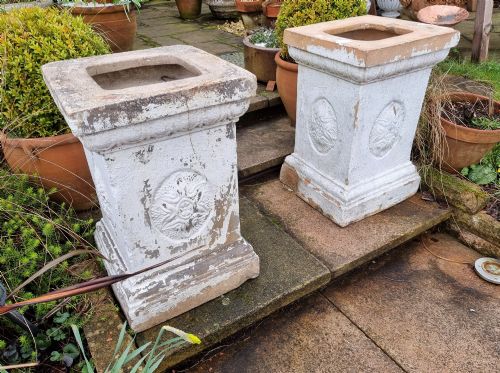
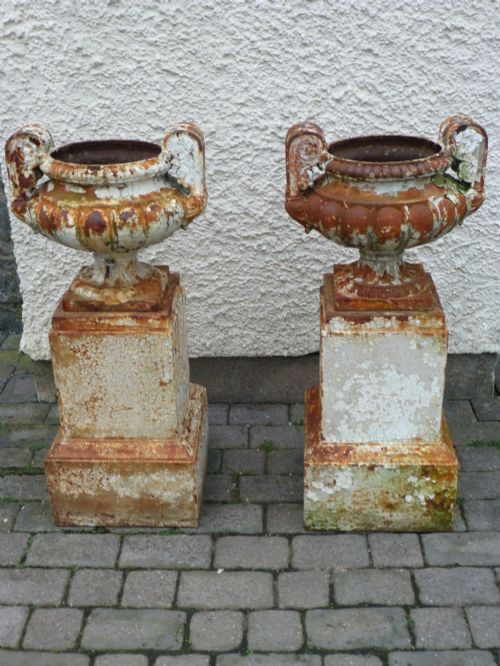
These weathered garden planter pieces are heavy metal, stone and terracotta vessels that bring time-worn character to outdoor grounds.
Weathered Garden Planter
A weathered garden planter comprises sturdy receptacles designed to hold flora while displaying the marks of age and exposure to the elements. Buyers searching this phrase typically encounter robust iron urns, terracotta jars, and stone vessels originating from various periods including the nineteenth century and the early twentieth century.
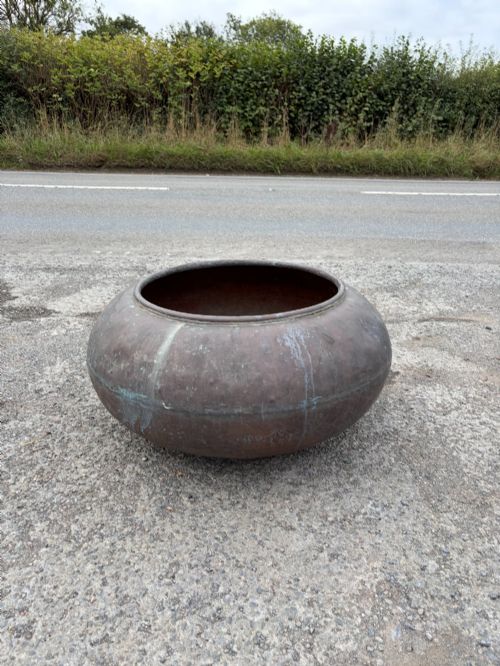
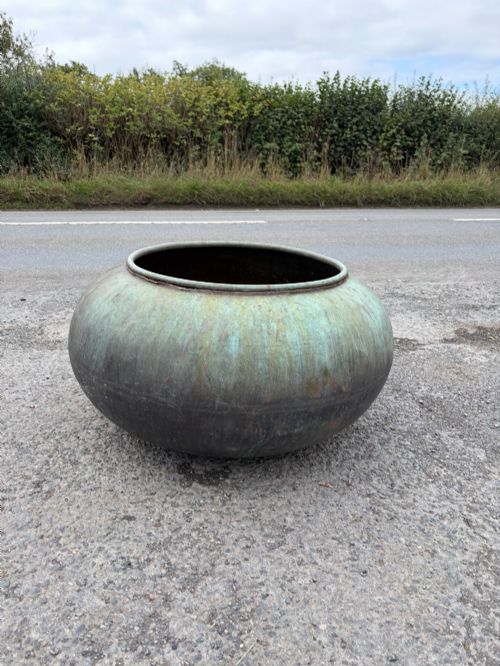
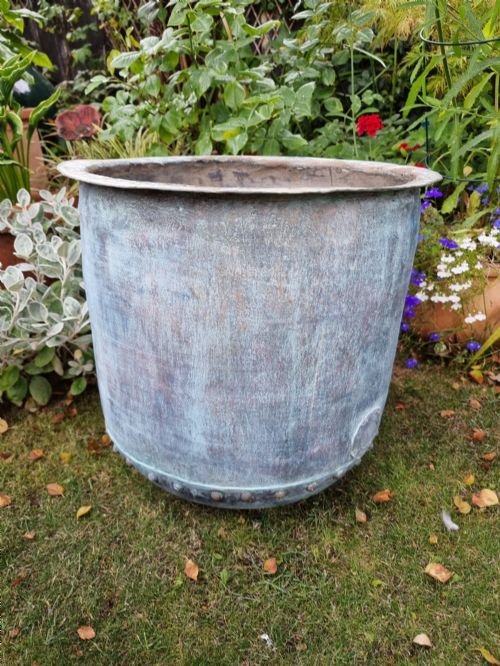
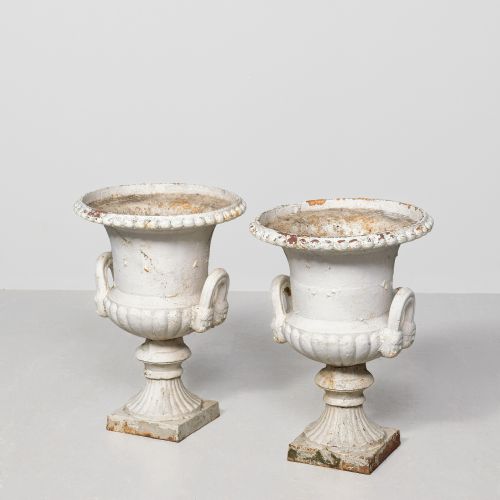
The selection ranges from classical campana shapes and French display pots to utilitarian copper coppers and architectural pedestals. These objects function equally as focal points on terraces or as functional containers for substantial planting schemes within gardens.
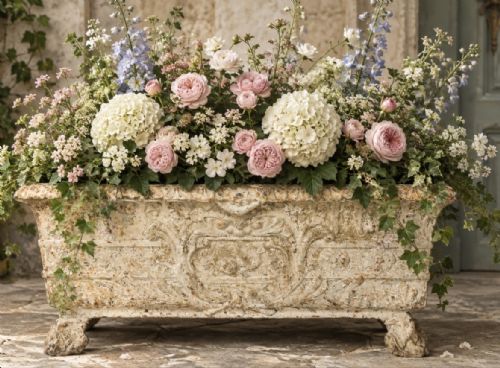
Most examples show the influence of neoclassical, Gothic revival, or rustic country styles, reflecting the decorative tastes of past centuries. Their primary appeal lies in the patinated surfaces and weathered textures acquired through decades outdoors.
Materials and construction methods
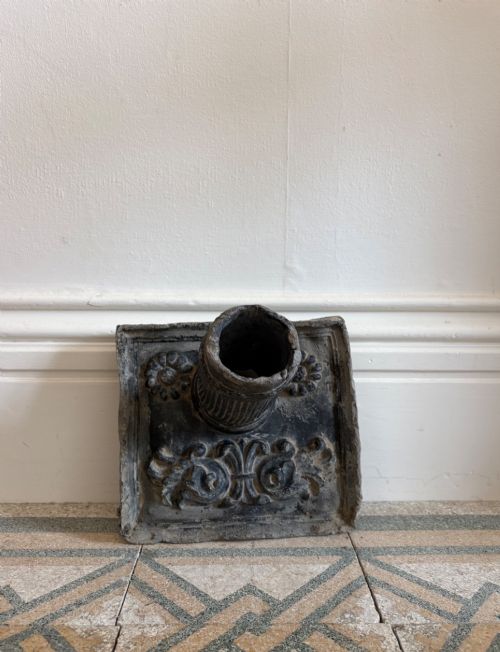
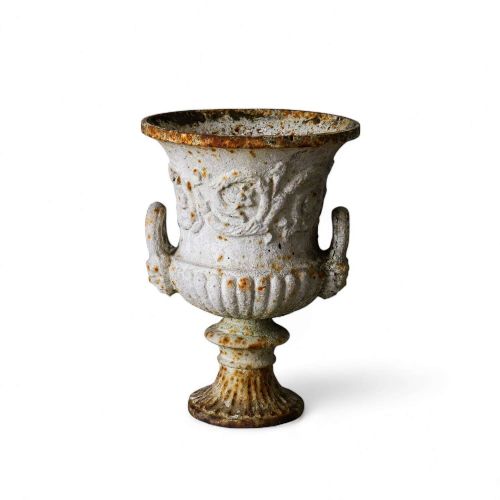
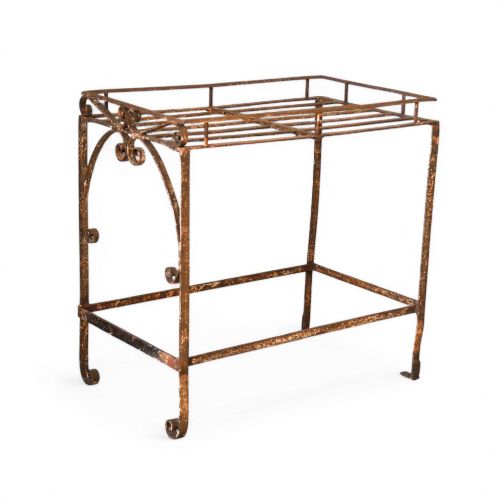
Foundries produced metal vessels using cast iron, wrought iron, lead, and copper, often assembling pieces with rivets or mounting them upon matching plinths. Cast iron items utilised moulds to achieve detailed classical motifs, while copper pots and buckets relied on skilled sheet metalwork.
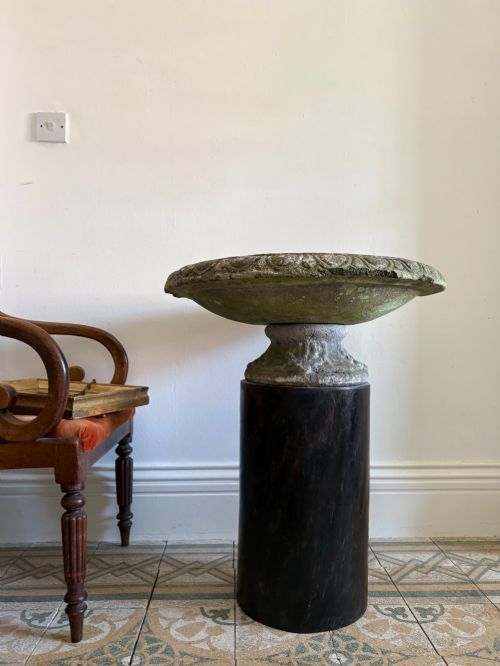
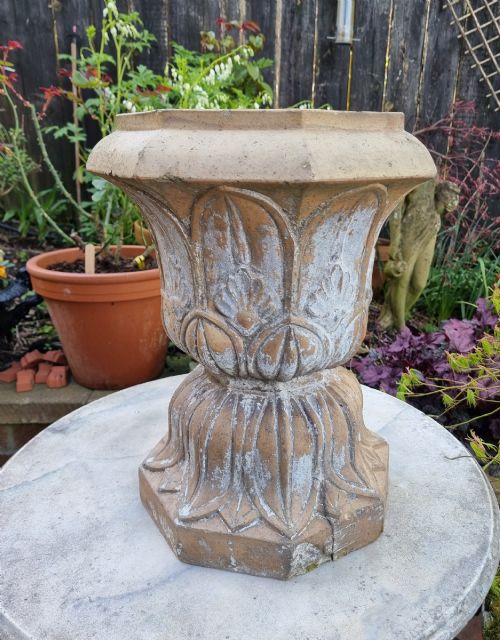
Earth and stone materials took shape through terracotta firing, hand-carved marble, soft stone cutting, and cast stone or composite stone moulding. These diverse media weathered over time to develop distinctive verdigris, paint distress, and patinated crusts.
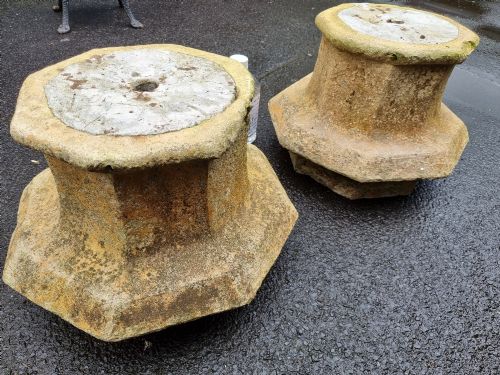
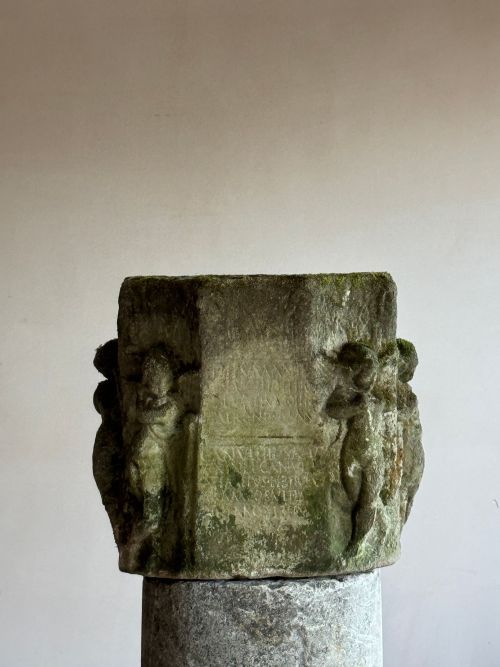
A reclaimed stone planter carries fragments from the Houses of Parliament damaged during the Blitz in the Second World War.
Distinctions in quality and execution
Quality rests upon the crispness of the original moulding, the integrity of the material, and the depth of the natural patina accumulated over the years. Fine foundry work displays sharp classical details on urn bodies and plinths, whereas inferior examples exhibit blurred casting lines.
Dunfermline Clay Company·Falkirk Carron foundry·Andrew Handyside
The Weathered Garden Planter Glossary
- Campana
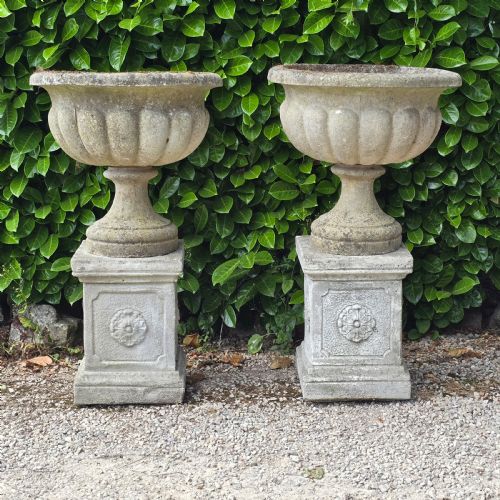
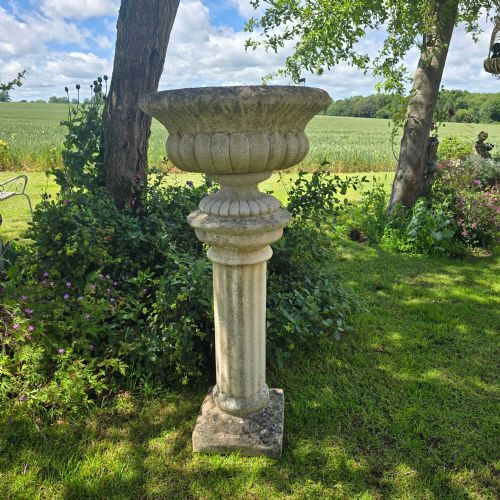
- A bell-shaped garden urn originating from classical antiquity, frequently mounted on a short stem and square base.
- Verdigris
- The green patina that forms naturally on copper, brass, or bronze surfaces through atmospheric oxidation.
- Reconstituted Stone
- A composite material made from crushed stone and a binder, moulded to replicate natural carved stone.
- Amphora
- A tall ancient container featuring two handles and a pointed bottom, often utilised historically for storing oil or wine.
- Plinth
- A heavy base or pedestal that supports a garden urn, statue, or planter above ground level.
Weathered Garden Planter: Frequently Asked Questions
How do I clean a weathered metal planter?
Gently brush away loose dirt and debris using a soft bristle brush without disturbing the accumulated surface patina.
Avoid harsh chemical detergents or abrasive scouring pads that strip away historical paint remnants and protective oxidation layers.
Can cast iron garden urns stay outside in winter?
Cast iron withstands cold temperatures effectively, provided proper drainage prevents trapped water from freezing and expanding inside the vessel.
Elevating the planter slightly off the ground on feet or a plinth prevents moisture absorption from frozen soil.
Are terracotta planters frost-proof?
Traditional terracotta possesses a porous nature that absorbs moisture, making older or softer earthenware vulnerable to cracking during hard frosts.
Store porous pots indoors or inside a sheltered greenhouse during freezing winter months to preserve the integrity of the clay.
How can I date a stone garden planter?
Examine the tooling marks, weathering patterns, and stylistic motifs such as neoclassical garlands or Gothic Revival arches to gauge the era.
Comparing the material composition against known nineteenth-century cast stone or earlier carved stone helps establish the period of manufacture.