



Antique Olive Oil Vessel
An antique olive oil vessel brings tangible Mediterranean heritage indoors, offering enduring sculptural form and earthy texture that anchors a rustic interior scheme.
Antique Olive Oil Vessel
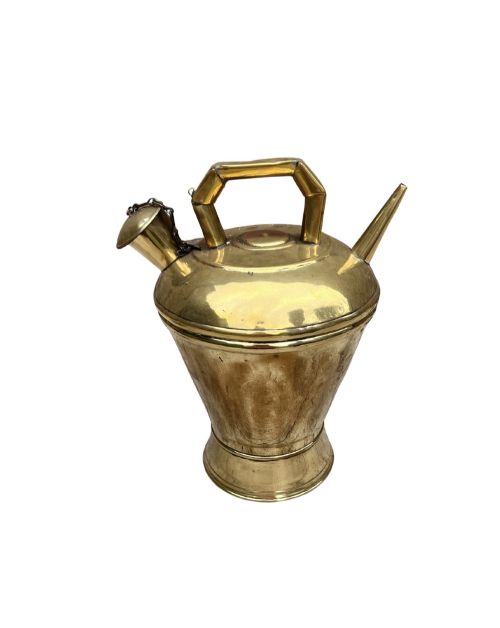
When you search for an antique olive oil vessel, you are looking at utilitarian storage containers designed to hold agricultural produce across the Mediterranean. The versions you are most likely to meet on this page span from the eighteenth century to the early twentieth century, originating primarily from French and Mediterranean workshops.
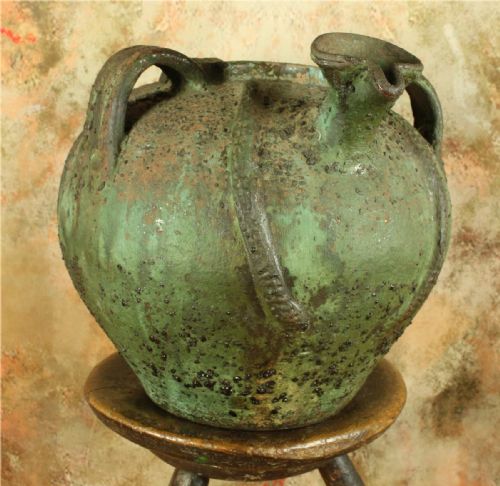
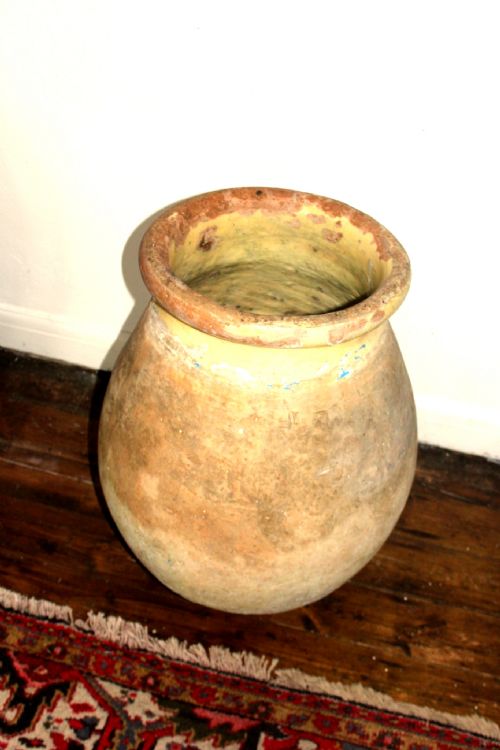
These pieces typically manifest as large terracotta oil jars, amphora vessels, and multi-handled jugs intended for estate or courtyard use. Styles range from rustic Mediterranean folk art to French provincial, reflecting the vernacular traditions of rural makers.
Forms vary from robust jars on stands to painted pottery vessels and walnut oil pots. Their original function as practical storage dictates their generous proportions and sturdy weight.
How they were made
Makers shaped these vessels from local clay and terracotta, often finishing surfaces with lime wash, glaze, or paint. The choice of earthenware prioritised durability and temperature regulation for contents.
Structural elements such as handles were applied by hand to bear the heavy loads of oil and walnut extracts. Touches of wrought iron occasionally reinforced the heavier garden urns and planters.
Surfaces developed natural patinas through decades of agricultural use, weathering, and subsequent interior placement. Paint and lime wash layers applied across the centuries contribute to the varied textures seen today.
Antique Olive Oil Vessel Retail Price Guide 2026
Typical asking prices for olive oil vessel among the pieces listed under this phrase on Sellingantiques today, from the lower quarter to the upper quarter. They describe what is for sale here now, not the wider market.
Listings feature terracotta, earthenware, and glaze across French provincial and rustic Mediterranean styles.
What varies in quality
The distinction between ordinary and exceptional examples rests in the harmony of proportion and the integrity of the surviving surface. Vessels retaining early paint, lime wash, or authentic aged patinas demonstrate greater visual depth than uniform modern reproductions.
Structural complexity also defines the upper tier, particularly pieces featuring multiple handles or custom wrought iron stands. The presence of documented origins, such as Biot jars from Provence, elevates the historical weight of the object.
The Antique Olive Oil Vessel Glossary
- Terracotta
- Fired clay used extensively for utilitarian storage jars and garden vessels. It provides a porous, warm-toned body that accepts glazes and lime wash well.
- Amphora
- A tall ancient storage vessel type with two handles and a narrow neck. Later iterations adapted this classic silhouette for agricultural oil storage.
- Lime wash
- A traditional coating made from slaked lime and water, frequently applied to exterior vessel walls. It yields a chalky, breathable finish that softens over time.
- Biot jar
- A specific style of large terracotta storage vessel originating from the Provençal town of Biot. These pieces are recognised for their robust utility and regional historical significance.
Antique Olive Oil Vessel: Frequently Asked Questions
What were antique olive oil vessels used for?
These vessels served primarily to store, settle, and transport agricultural oils such as olive and walnut oil across Mediterranean estates. Their dense terracotta walls helped maintain stable internal temperatures for perishable liquids.
Over time, retired agricultural jars transitioned into garden ornaments and architectural focal points in courtyards. Today, collectors repurpose them as large-scale interior decorative objects.
How do I live with an antique olive oil vessel?
Position large jars directly on the floor in hallways, corners, or empty hearths where their sculptural form can command the space without crowding the room. Smaller jugs and painted vessels suit side tables or console surfaces.
Avoid placing untreated terracotta directly on delicate indoor flooring without a protective barrier, as residual moisture or lime wash can transfer. Keep interiors dry and handle larger pieces with adequate support due to their substantial weight.
How can I tell the period of an oil jar?
Dating relies on observing manufacturing marks, the composition of the terracotta body, and the nature of any surface treatments like early paint or lime wash. Eighteenth-century examples often feature distinct handle configurations and hand-thrown irregularities.
Twentieth-century iterations tend toward more standardised forms and cleaner glazed finishes. Comparing the patina and wear patterns against documented regional styles helps narrow the era of production.
Are these vessels frost-resistant for garden use?
Most antique terracotta and earthenware vessels were produced for functional storage rather than rigorous outdoor weathering in freezing climates. Porous clay absorbs moisture, which can expand during hard frosts and cause cracking.
Protect valuable pieces by bringing them indoors during winter months or storing them in covered, dry outdoor structures. Inspect the base and body material to assess whether the earthenware can withstand local seasonal shifts.