

Warm Walnut Furniture
Warm walnut furniture brings deep timber tones and rich grain patterns into a room, offering practical storage and display through centuries of design.
Warm Walnut Furniture
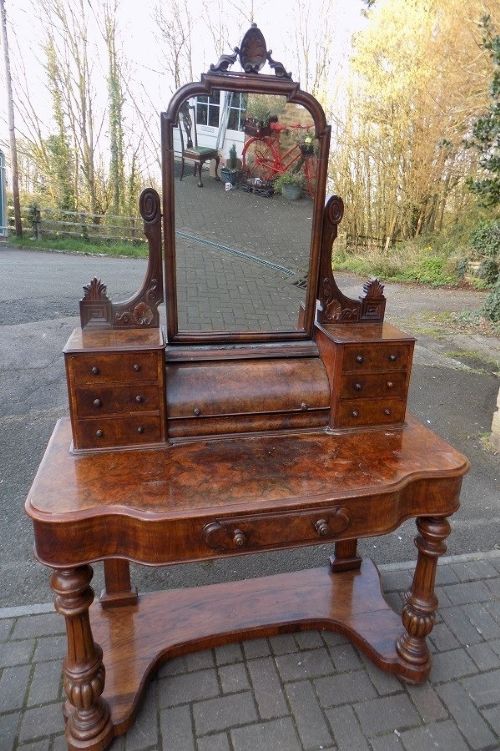
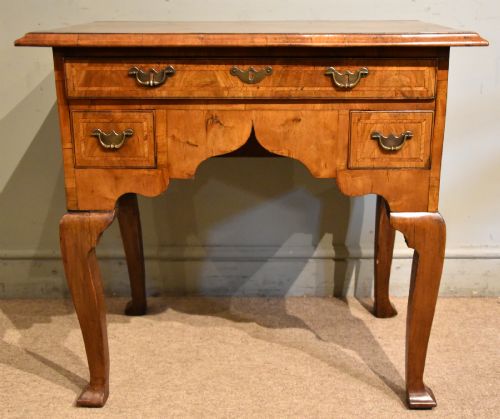
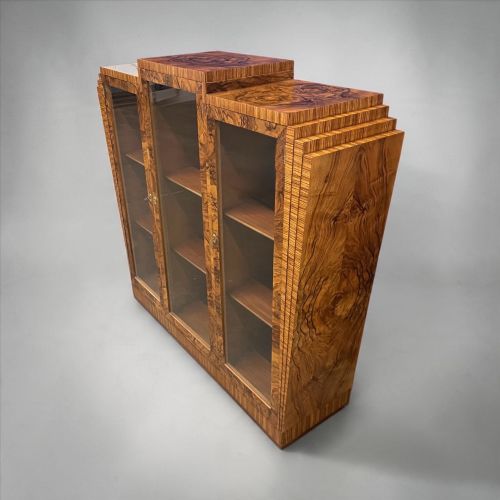
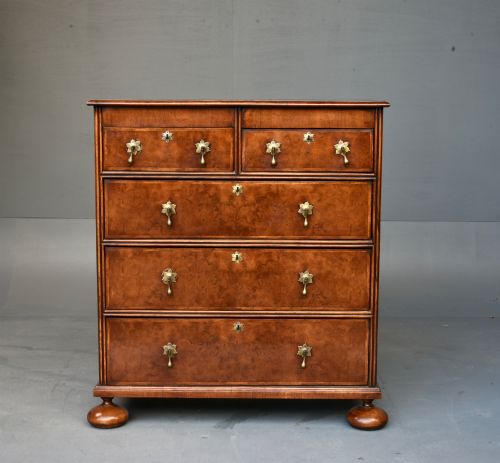
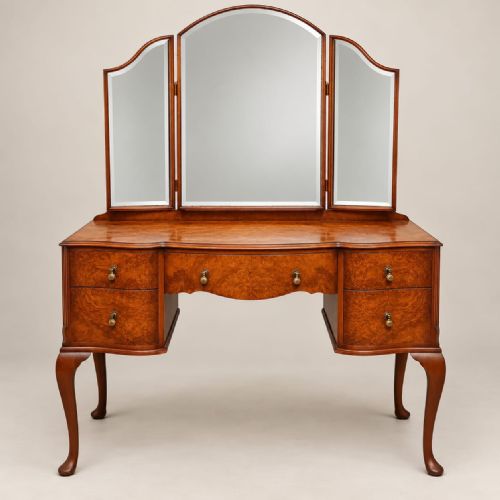
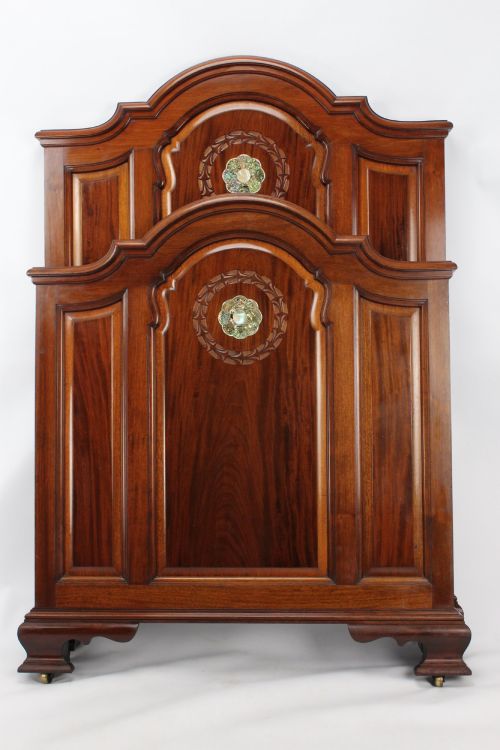
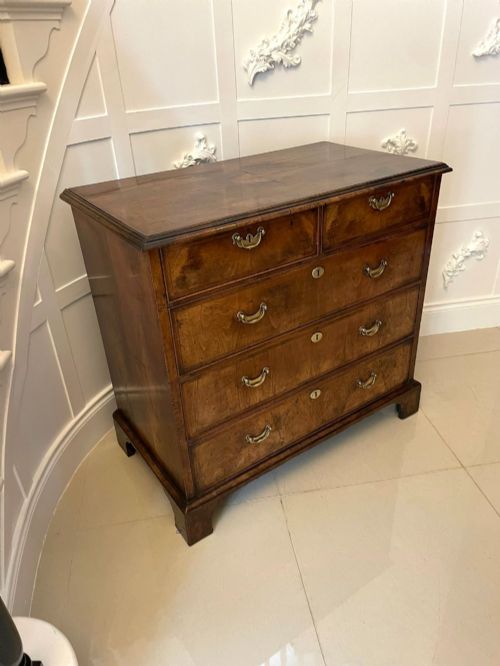
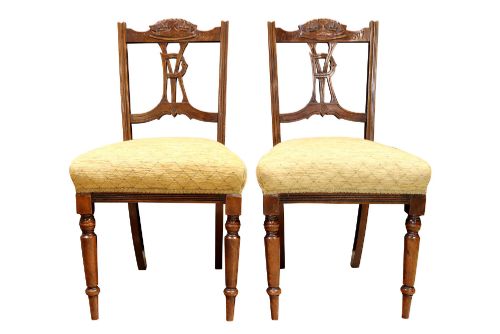
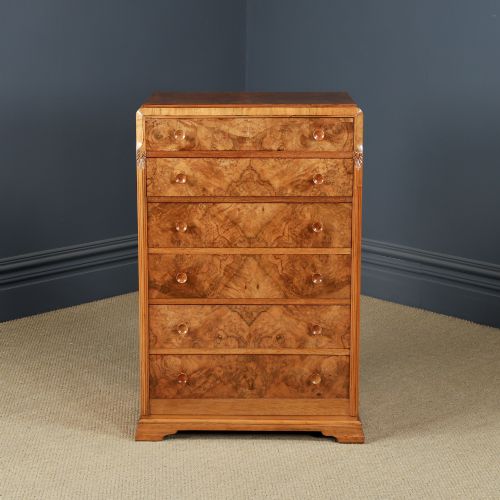
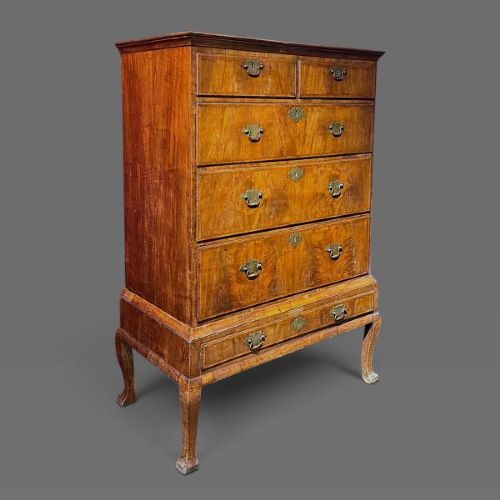
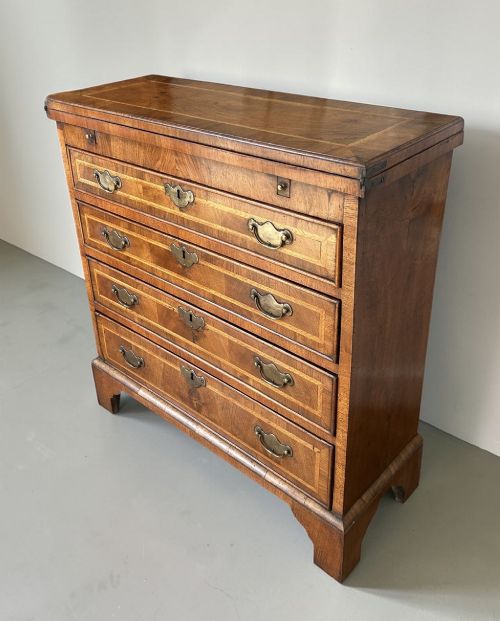
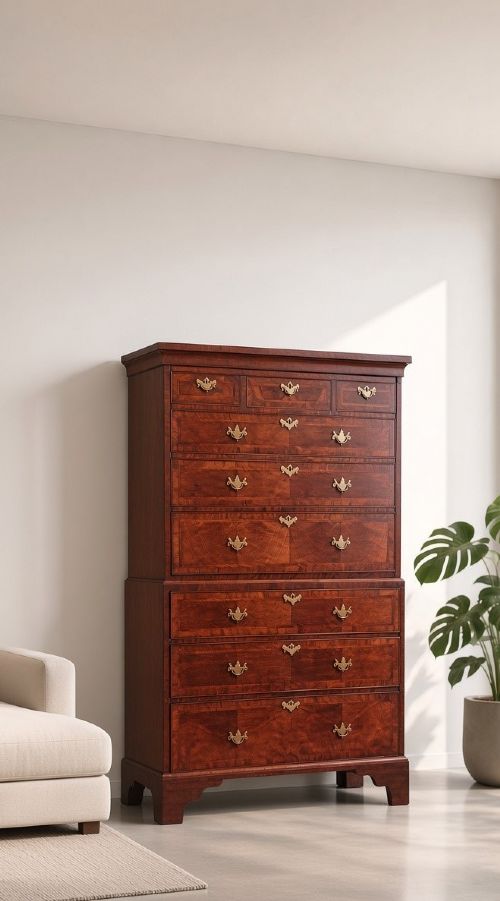
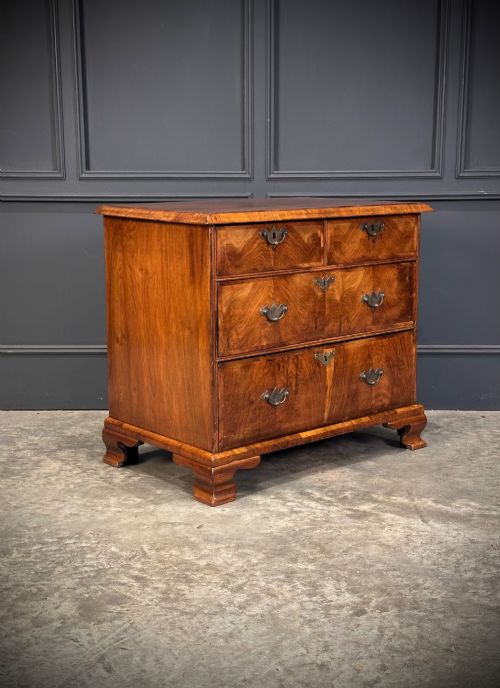
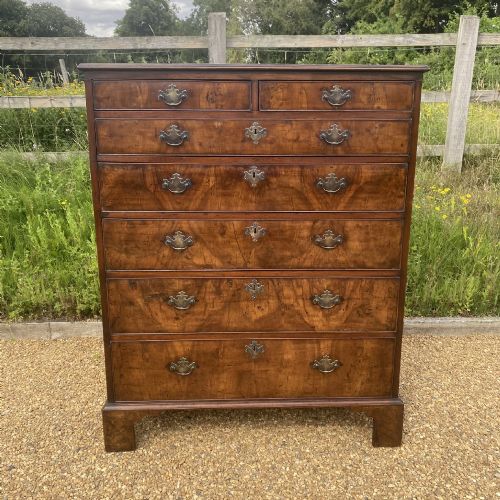
Warm walnut furniture encompasses timber pieces created across multiple periods, ranging from the seventeenth century through to Art Deco designs of the 1930s. Buyers searching for warm walnut furniture encounter practical items designed for daily use, including chests of drawers, lowboys, desks, music cabinets, and cocktail cabinets.
The selection on this page leans heavily towards storage and surface forms, with chests of drawers appearing frequently alongside side tables and bureaux. Pieces originate from various European centres, featuring English, French, Dutch, Italian, and Spanish examples alongside later Edwardian and Art Deco interpretations.
How they were made
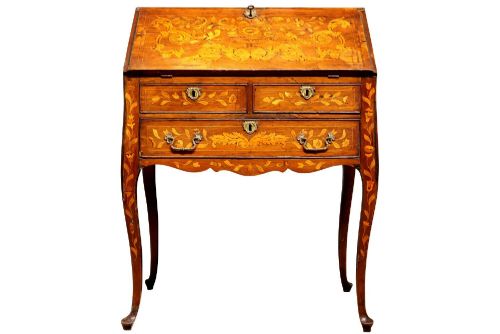
Cabinet makers utilised solid walnut, burr walnut, and walnut veneer over secondary timbers like oak, often applying intricate crossbanding and feather-banded borders to highlight the timber's natural figure. Marquetry and parquetry patterns incorporate contrasting woods such as fruitwood, kingwood, and satinwood to create decorative geometric or floral motifs.
Metal mounts in brass support structural hardware, while glass appears in doors and display sections of cabinets and bureau bookcases. Construction methods evolved from seventeenth-century geometric framing and joined elements to sophisticated veneered surfaces on eighteenth-century carcases and streamlined twentieth-century forms.
Warm Walnut Furniture Retail Price Guide 2026
Typical asking prices for warm walnut furniture among the pieces listed under this phrase on Sellingantiques today, from the lower quarter to the upper quarter. They describe what is for sale here now, not the wider market.
Periods represented stretch from seventeenth-century William & Mary designs to 1930s Art Deco cocktail cabinets.
What varies in quality
The quality of warm walnut furniture rests primarily in the choice and matching of timber veneers, where symmetrical figure and rich depth elevate a piece significantly. Superior examples display meticulous attention to secondary details such as feather-banding, inlay work, and the crisp execution of period mouldings.
Proportion and structural integrity also divide the standard range from exceptional items, with finer pieces maintaining harmonious lines and original hardware configurations. The integration of decorative elements like parquetry or marquetry demands high technical skill, distinguishing workshop output across different eras.
Hille·Maurice Adams·Hamptons of Pall Mall London
The Warm Walnut Furniture Glossary
- Burr walnut
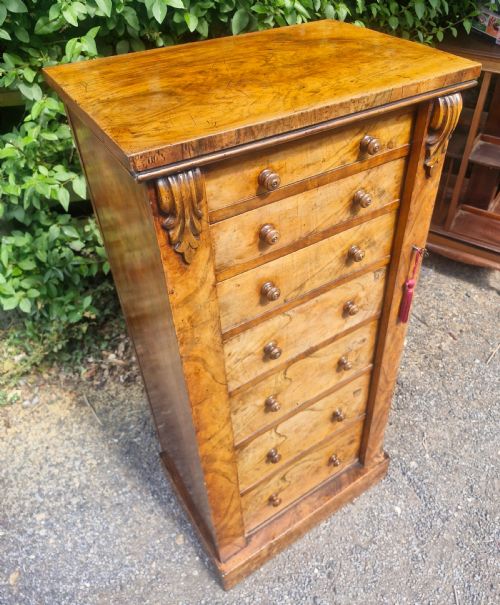
- A figured wood grain obtained from the wart-like growths on walnut trees, prized for its swirling pattern. Cabinet makers used veneers of this timber on prominent surfaces like drawer fronts and cabinet doors.
- Feather-banding
- A decorative inlay technique using small strips of veneer cut diagonally and laid in a V-shape to form a herringbone border. This detail often frames drawer fronts on early walnut furniture.
- Lowboy
- A small side table with drawers, typically raised on tall cabriole legs. These pieces served various domestic functions as dressing or writing tables during the seventeenth and eighteenth centuries.
- Crossbanding
- A strip of veneer applied perpendicularly to the main grain direction around the edges of a panel or drawer front. It creates a neat visual border that contrasts with the central grain.
- Marquetry
- The art of applying small pieces of wood veneer to a structure to form decorative pictorial or floral patterns. Dutch and Italian makers utilised this technique extensively on cabinets and bureaux.
Warm Walnut Furniture: Frequently Asked Questions
What periods do these walnut pieces cover?
The selection spans from the seventeenth century through Georgian and Victorian eras up to Art Deco designs of the 1930s. Each era brings distinct structural characteristics and decorative treatments to the timber.
Early pieces often feature geometric mouldings and solid construction, while eighteenth-century items showcase figured veneers and crossbanding. Twentieth-century examples embrace streamlined forms and burr walnut surfaces.
How do I care for walnut furniture?
Walnut benefits from stable room temperatures and protection from direct sunlight to preserve the rich colour and finish of the timber. Regular dusting with a soft cloth maintains the surface without requiring heavy polishes.
Applying a traditional wax occasionally helps nourish the wood and protects the grain from drying out. Avoid placing these pieces near direct heat sources to prevent timber movement.
How do I distinguish walnut from other woods?
Walnut possesses a distinctive dark brown tone that deepens with age, often showing complex grain patterns and rich figure. Unlike oak, it offers a smoother texture and a naturally warmer visual weight.
When burr walnut or veneer is present, the swirling patterns and symmetrical grain arrangements provide a distinct appearance. Secondary timbers inside drawers often reveal structural woods like oak or fruitwood.