

Warm Brown Wooden Cupboard
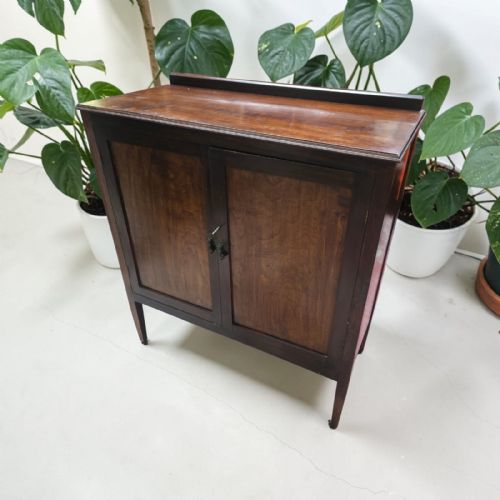
A warm brown wooden cupboard brings practical storage and deep natural grain into a room, spanning periods from the eighteenth century to the twentieth.
Warm Brown Wooden Cupboard
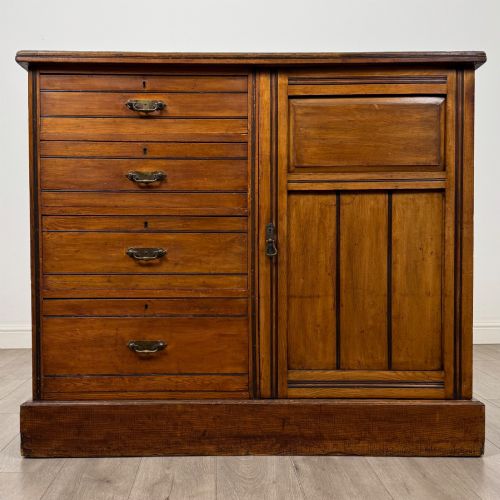
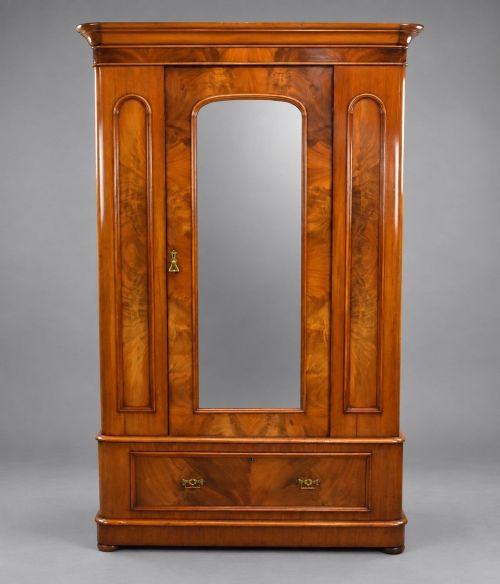
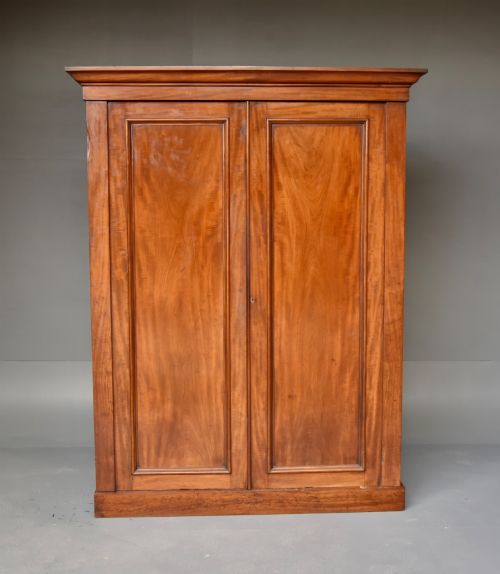
A warm brown wooden cupboard encompasses practical storage forms from bedside cabinets and tallboys to linen presses and bookcases. These pieces originate across the eighteenth, nineteenth, and early twentieth centuries, reflecting domestic life through changing decades.
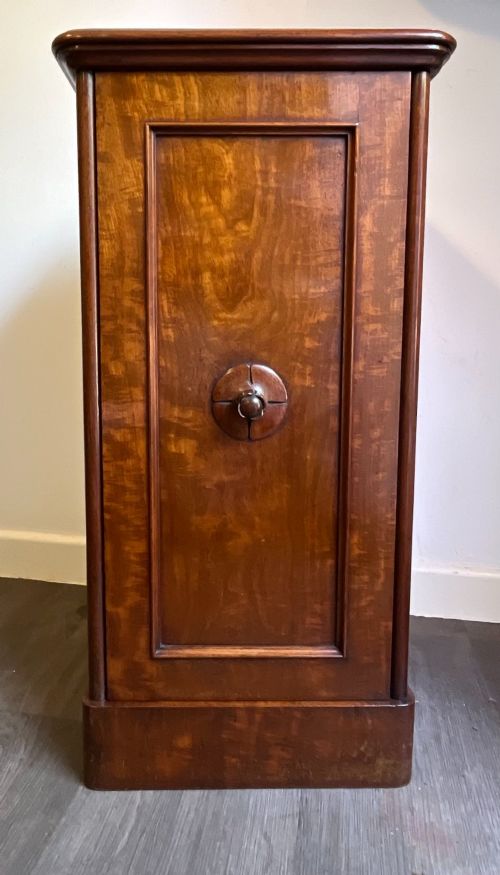
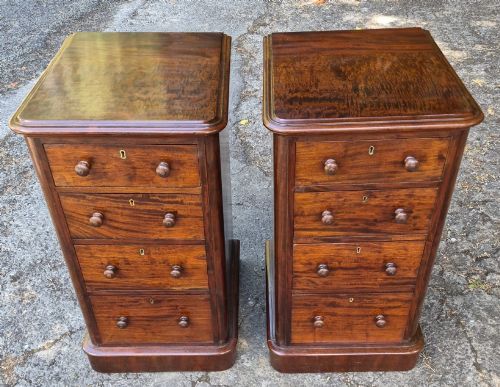
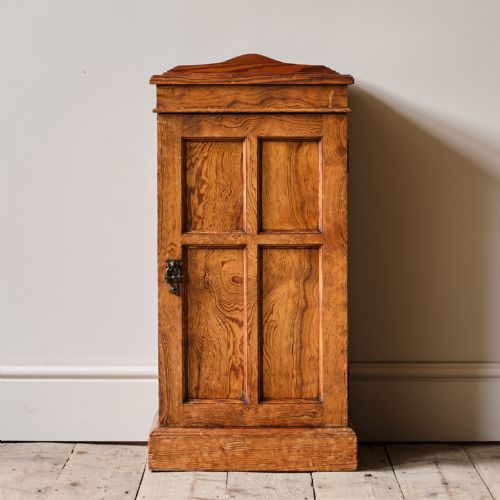
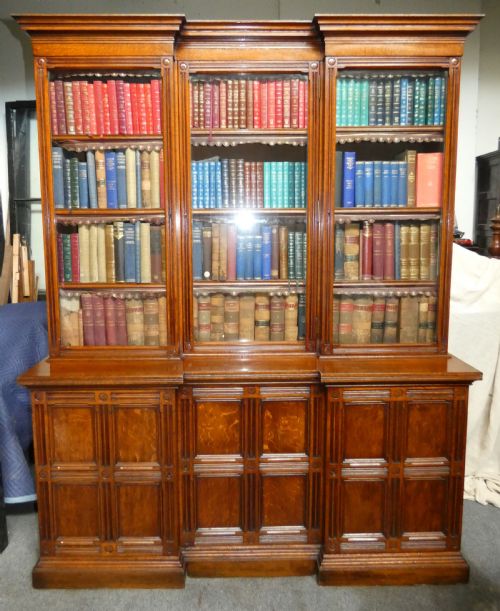
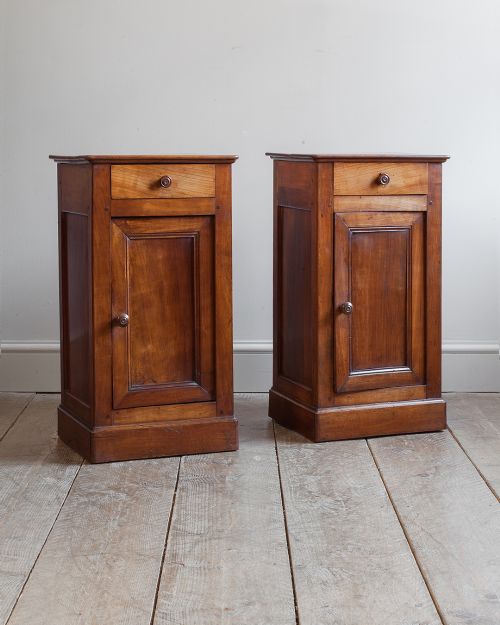
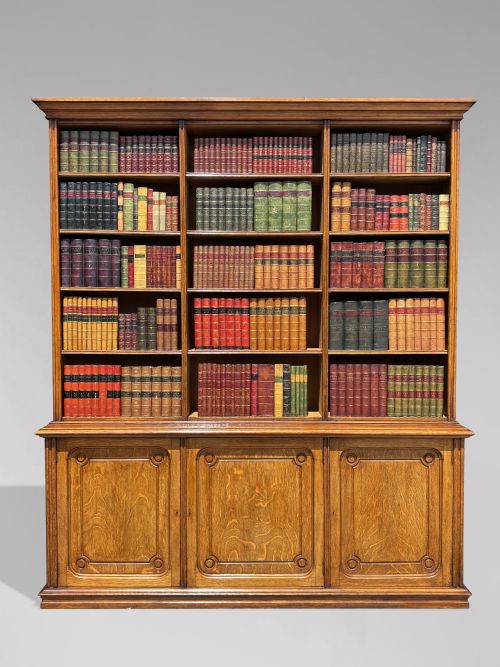
The version most commonly met on this page is the nineteenth-century bedside or pot cupboard, often shaped in mahogany, oak, or walnut. Alongside these, buyers find larger Georgian and Victorian bookcases, sideboards, and French provincial buffets.
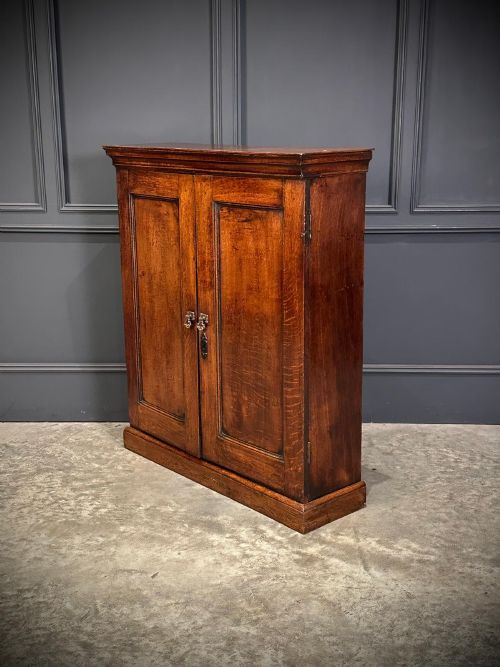
Makers and regional workshops utilised local timbers to construct functional storage for bedrooms, hallways, and living spaces. The assortment ranges from compact bedside chests to tall architectural standing corner cupboards.
Assessing Quality
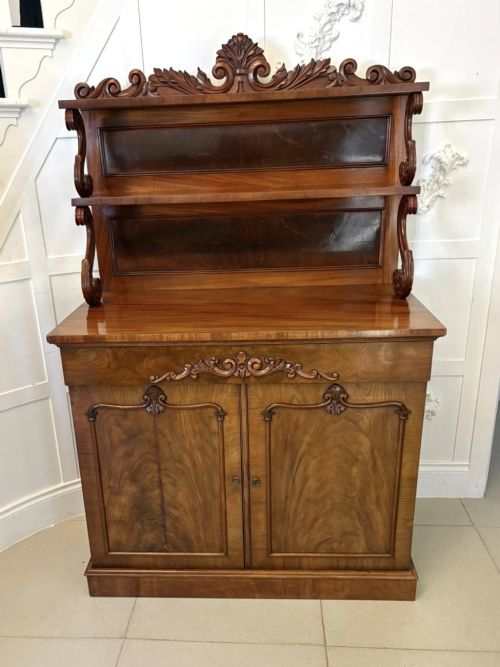
Quality rests in the integrity of the timber selection and the precision of the construction. Pieces displaying finely figured grain, such as flame mahogany veneer or well-matched oak panels, sit higher in the range than utility workshop items.
The proportion and architectural balance dictate the distinction between standard domestic storage and finer examples. Original brass or iron hardware and intact interior shelving elevate the standing of a cabinet.
Listings feature oak, mahogany, walnut, cherry, ash, and elm across eighteenth, nineteenth, and twentieth-century periods.
Maple and Co
The Warm Brown Wooden Cupboard Glossary
- Tallboy
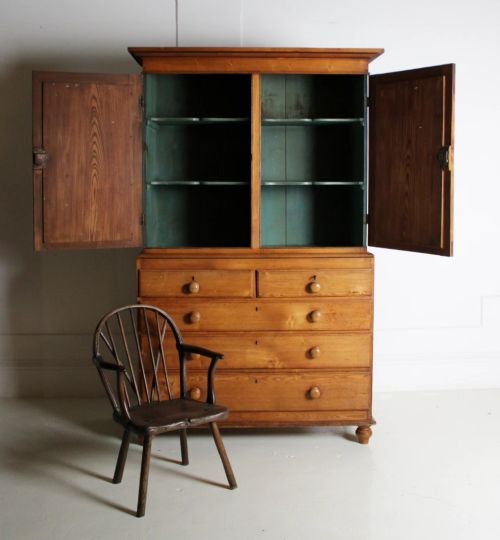
- A tall chest of drawers or cupboard standing higher than a standard chest, often combining drawer tiers with enclosed shelving.
- Chiffonier
- A compact sideboard or low cupboard developed during the nineteenth century, frequently featuring a tiered top or small gallery.
- Pot cupboard
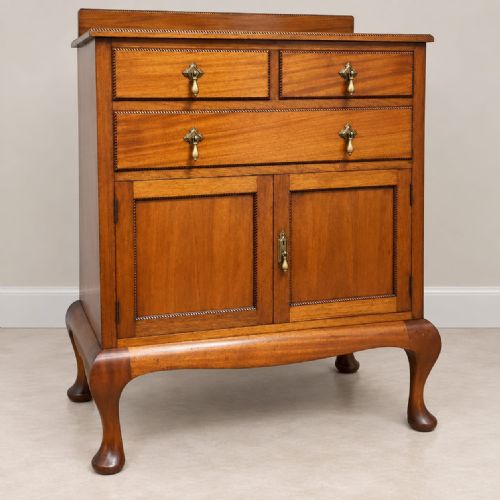
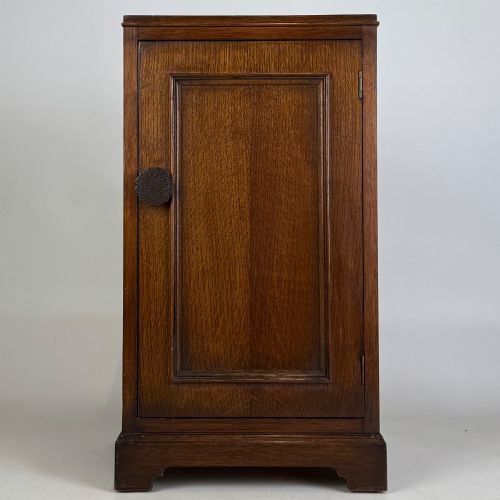
- A small bedside cabinet originally designed to house a chamber pot, appearing widely in Victorian and Edwardian bedrooms.
- Spice cupboard
- A small wall-hanging or table-standing storage piece with multiple internal drawers, typical of eighteenth-century country houses.
- Sacristy cabinet
- A low buffet or storage unit historically used in ecclesiastical settings, adapted over time for domestic kitchens and living rooms.
Warm Brown Wooden Cupboard: Frequently Asked Questions
What rooms suit a wooden cupboard?
These cupboards adapt easily to bedrooms, hallways, and living spaces depending on their scale. Smaller bedside cabinets fit beside a bed, while larger bookcases and linen presses anchor a living room or study.
Selecting the right scale ensures the timber grain complements the existing room without overwhelming the floor plan.
How do I care for antique wood?
Maintaining antique timber requires simple dusting with a dry cloth and occasional application of appropriate wax polish. Avoid placing wooden furniture near direct heat sources or in fluctuating humidity.
Consistent indoor environments protect the grain and prevent the timber from drying out over time.
How do I identify a Georgian piece?
Georgian cupboards often display proportioned architectural lines, solid oak or mahogany construction, and traditional dovetailed joinery. Details like cockbeaded drawer edges and brass handles point directly to eighteenth-century craftsmanship.
Examining the interior timbers and backboards helps confirm the period origins against later copies.
What is the difference between a chiffonier and a sideboard?
A chiffonier is typically smaller and more compact than a sideboard, often featuring a raised shelf or back tier above the main enclosed cabinet. These pieces gained popularity during the Victorian era for smaller dining and drawing rooms.
Sideboards generally offer longer surfaces and greater storage capacity designed for dining room service.