




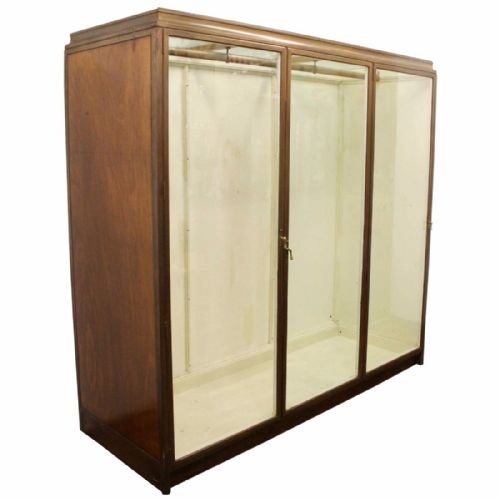
Edinburgh Cabinet
When you search for edinburgh antique cabinet, you are hunting for solid craftsmanship from Scottish workshops that brings real character to a room.
Edinburgh Cabinet
The phrase edinburgh antique cabinet brings up a distinct range of storage furniture and related furnishings originating from Scottish makers and retailers active across the nineteenth and early twentieth centuries. These pieces span from the late Georgian and Scottish Regency periods through Victorian, Edwardian, Arts and Crafts, and Art Deco eras.
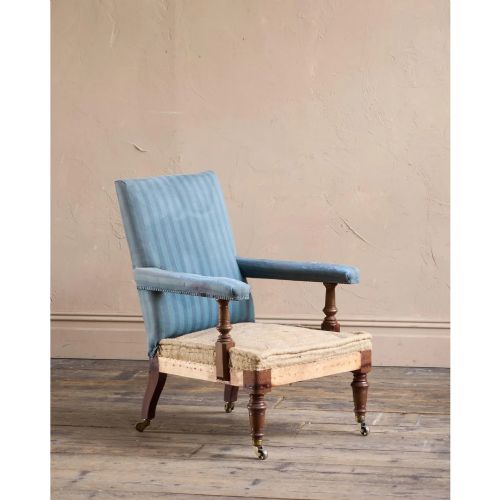
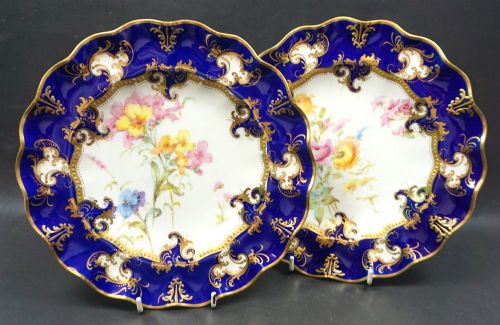
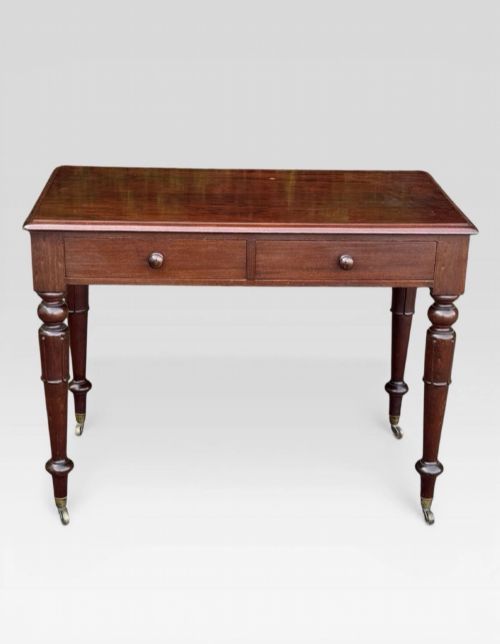
While the search term points directly to cabinets, the broader material on this page also includes side tables, armchairs, dining tables, secretaire desks, and cabinet plates associated with the same regional makers. A buyer will most frequently encounter sturdy mahogany or walnut items bearing the hallmarks of notable Edinburgh cabinet makers.
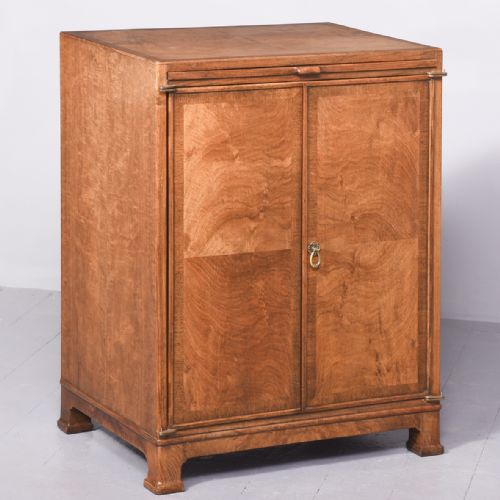
Cabinet forms range from folio cabinets and bedside units to large display cabinets and library secretaire chests. Each piece reflects the functional demands of country houses and urban residences in Scotland during periods of significant design evolution.
How they were made
Makers constructed these pieces primarily using solid hardwoods such as mahogany and walnut, selected for their rich grain and durability. Joinery relied on traditional framing and panel methods to ensure stability across large surfaces like cabinet doors and table tops.
Metal components such as brass hardware added functional strength and subtle visual contrast to the dark wood surfaces. Interiors occasionally incorporated secondary materials like baize, hessian, and fabric for lining drawers or display spaces.
Object types range from armchairs and side tables to folio cabinets, secretaire desks, and dining tables.
What varies in quality
Quality in these items rests upon the depth of the timber selection and the precision of the cabinet maker's joinery. Superior examples show seamless alignment in doors and drawers alongside restrained, well-executed carving or gilding.
Attribution to documented Edinburgh firms elevates a piece, as does the retention of original brass fittings and interior linings. Simpler vernacular items from country houses show robust utility, while commission pieces exhibit finer detailing and specialised forms.
Morison and Co·John Ford·J A Mein·Whytock & Reid·John Taylor & Sons·William Trotter·Jenners of Edinburgh
The Edinburgh Cabinet Glossary
- Secretaire
- A piece of furniture incorporating a built-in writing drawer with a drop-down front. This clever form conceals small pigeonholes and compartments behind a disguised drawer face.
- Regency
- A design period spanning the early nineteenth century characterised by classical motifs and refined proportions. Scottish interpretations often utilised rich local timber stocks.
- Folio
- A specialised storage cabinet designed to hold large sheets of paper, prints, or maps flat. These pieces reflect the scholarly and collecting interests of their original owners.
- Baize
- A coarse woolen material traditionally used to line the interiors of drawers or gaming surfaces. It protects stored items from scratches and reduces friction.
Edinburgh Cabinet: Frequently Asked Questions
What periods do these Edinburgh cabinets come from?
The pieces span from the nineteenth century through the 1930s, covering Scottish Regency, Victorian, Edwardian, Arts and Crafts, and Art Deco styles.
Most items date from the Victorian and Edwardian eras, reflecting the peak of Edinburgh's active local cabinet making trade.
How do I identify a piece by Whytock and Reid?
Look for refined proportions and understated design that often bridge traditional craftsmanship with early twentieth-century modernism. Many pieces from this firm bear specific maker marks or paper labels.
Their work frequently utilises quality mahogany or walnut timbers configured into functional folio or display cabinets.
Are these items strictly cabinets?
No, while the search focuses on cabinets, the category includes related home furnishings like side tables, armchairs, dining tables, and porcelain cabinet plates.
These diverse objects share a connection to Edinburgh makers, retailers, and country house commissions from the same historical periods.
What woods were used by Edinburgh makers?
Makers relied heavily on dense hardwoods such as mahogany and walnut for their primary surfaces and structural frames. These timbers were chosen for strength and rich grain patterns.
Secondary materials like brass provided functional hardware, while internal compartments sometimes featured fabric or baize linings.