
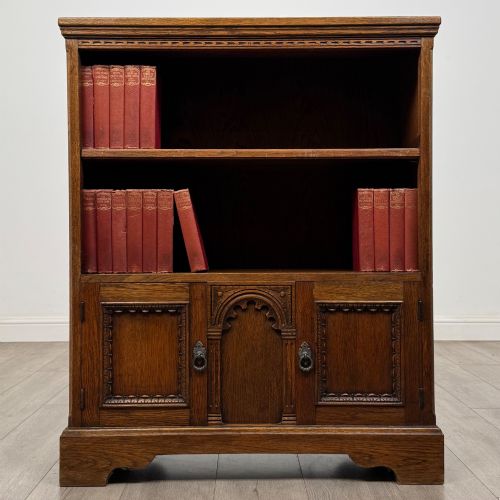
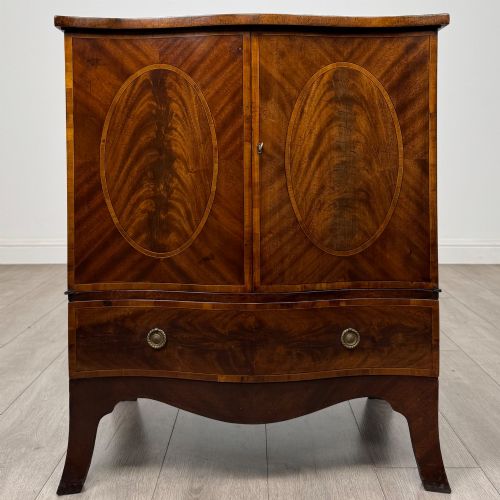
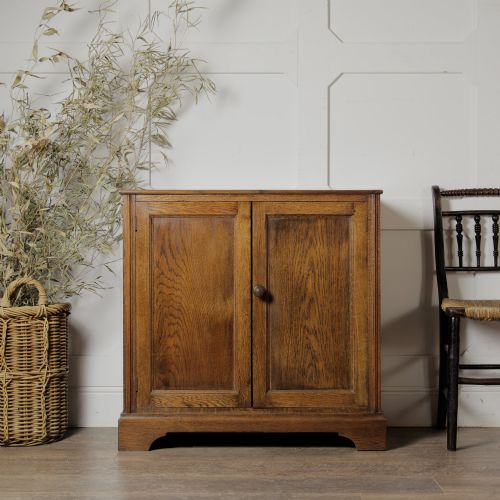
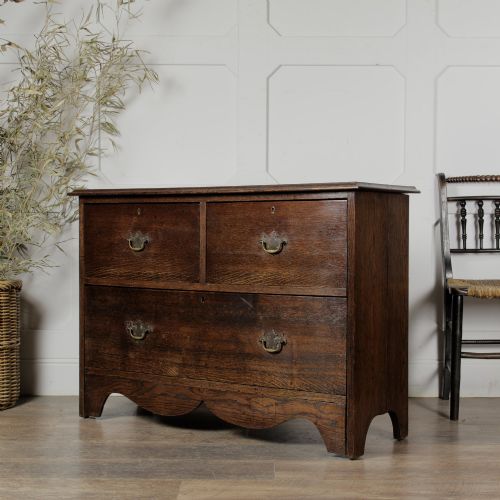
20th Century Storage Cabinet
A 20th century storage cabinet brings practical utility and varied period character into a room, offering clever concealment for household belongings.
20th Century Storage Cabinet
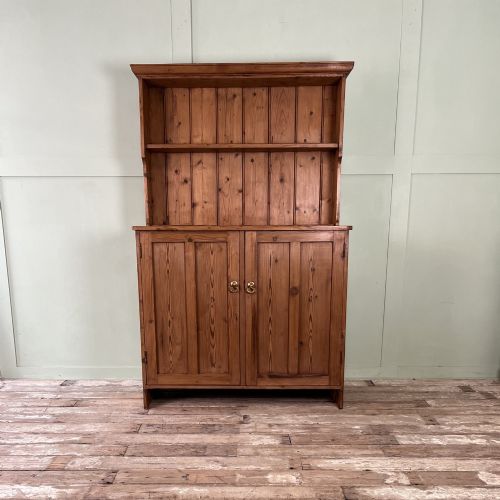
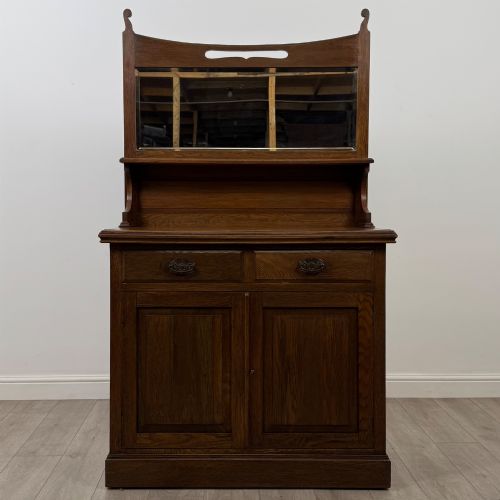
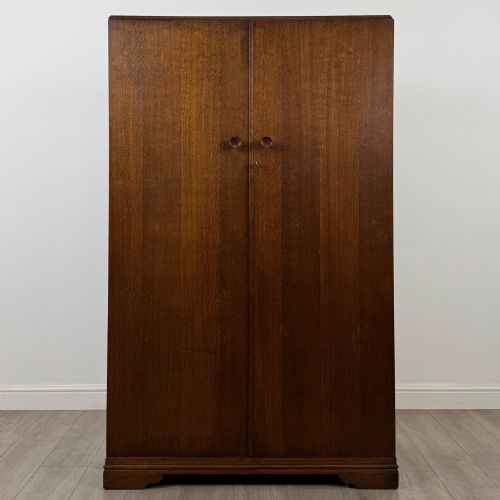
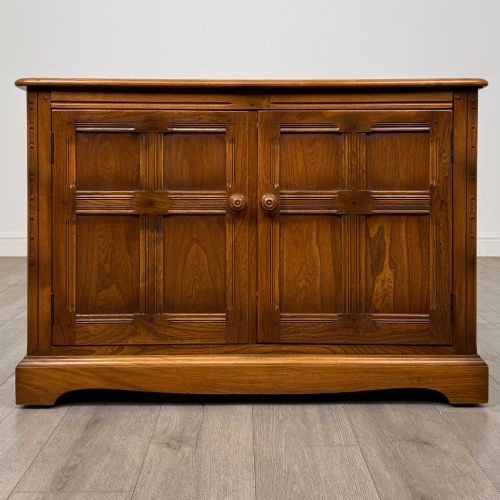
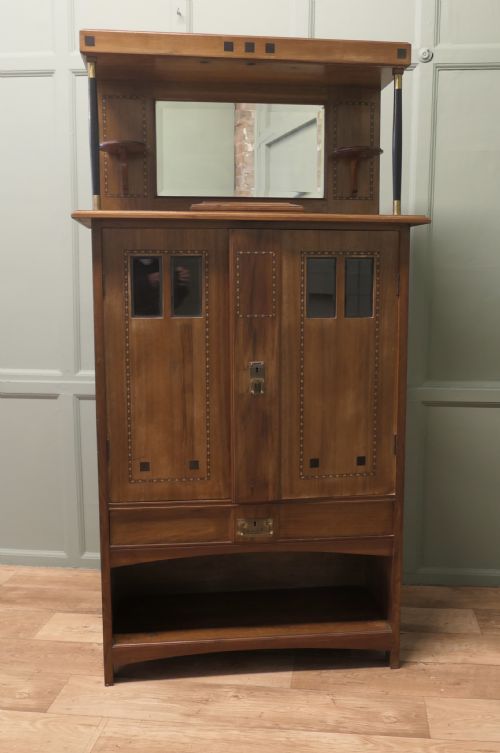
A 20th century storage cabinet encompasses a diverse range of furniture forms designed to organise and contain domestic items. Buyers searching this phrase encounter practical pieces originating from the Edwardian era through the 1940s, with Edwardian examples appearing most frequently.
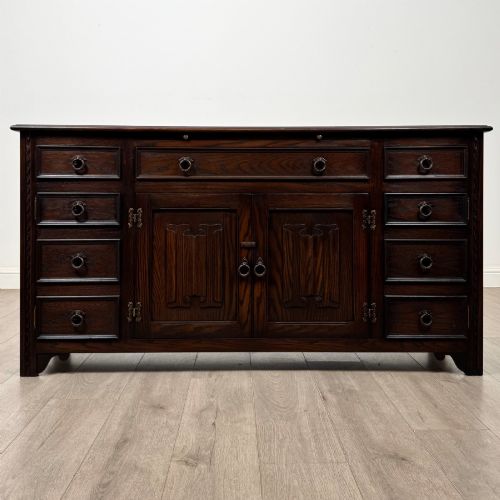
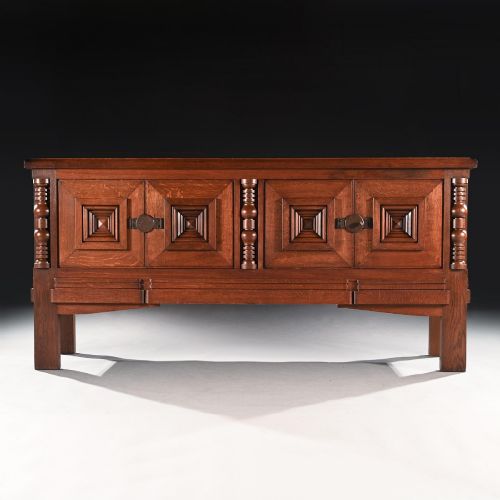
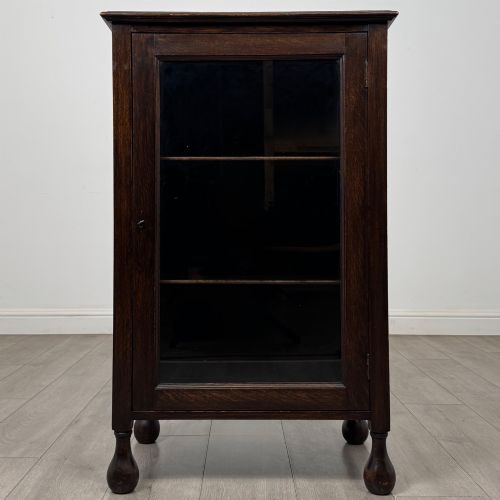
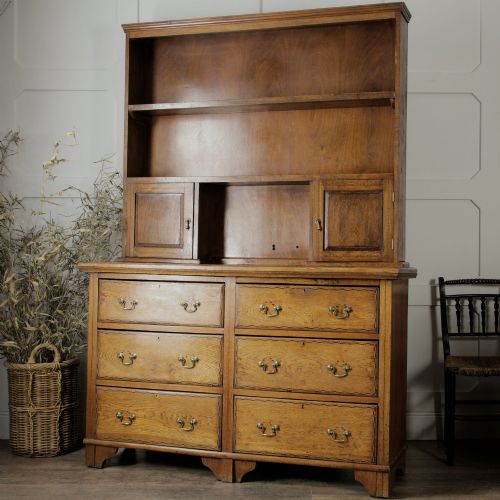
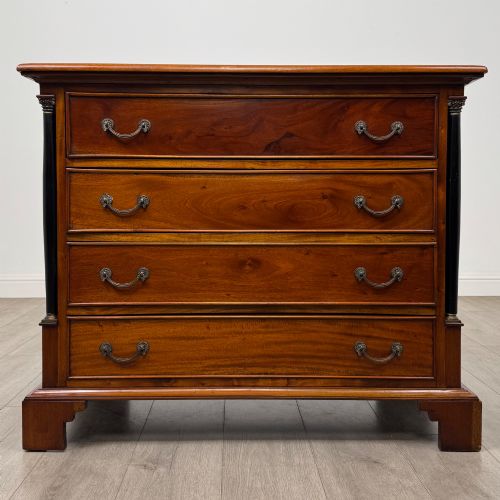
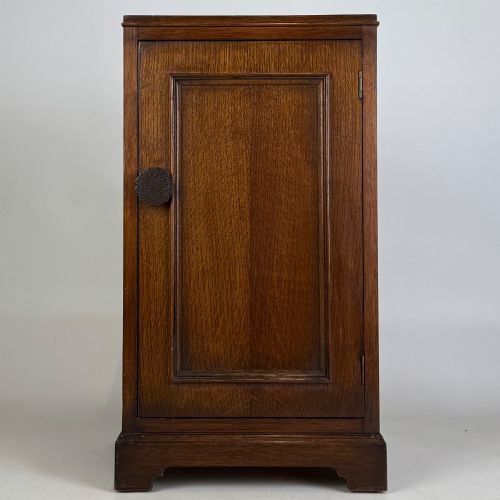
The selection spans numerous functional types including cupboards, chests of drawers, sideboards, display cabinets, and filing drawers. These items range from compact bedside units and low cupboards to larger sideboards and fitted cabinets intended for specific domestic storage needs.
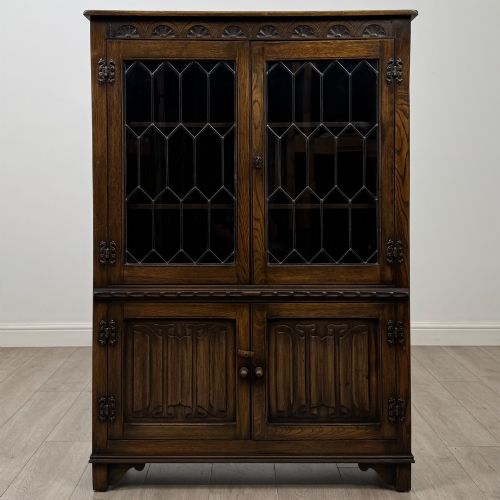
Stylistic variety runs deep within this selection, drawing upon Jacobean Revival, Tudor Revival, Georgian Revival, Queen Anne Revival, Gothic Revival, English Country, and Mid-Century Modern aesthetics. Such stylistic influences dictate the carved details, proportions, and decorative treatments applied to the foundational carcases.
How they were made
Construction relies heavily on solid timbers and selected veneers, with oak and mahogany forming the primary structural materials alongside burr walnut and figured walnut. Cabinetmakers utilised brass and iron for handles, hinges, and operational hardware, while glass panels appear frequently in doors designed for display purposes.
Joinery techniques balance sturdy domestic utility with decorative expression, incorporating carved panels, linenfold motifs, and tambour doors where individual slats slide along tracks. Surfaces receive finishes that highlight the natural grain patterns of golden oak, dark oak, and polished mahogany.
Listings feature oak, mahogany, walnut, and burr walnut timbers across Edwardian and early twentieth-century periods.
What varies in quality
The sophistication of period revival detailing and the integration of functional mechanisms, such as smooth-running tambour doors or well-fitted drawers, distinguish finer workshop output from standard mass production.
The 20th Century Storage Cabinet Glossary
- Tambour
- A flexible door constructed from narrow strips of wood glued to a canvas backing, allowing it to slide smoothly around a curved track.
- Linenfold
- A style of carved wooden panelling that resembles folded fabric, commonly seen on Tudor and Gothic revival cupboard doors.
- Court Cupboard
- A traditional short, heavy cupboard with enclosed upper and lower sections, often heavily carved in oak.
- Bowfront
- A convex, curved cabinet or chest front that projects outward in the centre.
- Serpentine
- A furniture front characterised by a central convex curve flanked by two concave curves.
20th Century Storage Cabinet: Frequently Asked Questions
What rooms suit a 20th century storage cabinet?
These cabinets adapt well to living rooms, dining areas, hallways, and bedrooms depending on their specific form. Smaller cupboards and bedside units fit tight spaces, whilst sideboards and filing drawers provide substantial capacity for larger rooms.
Selecting the right piece depends on whether the primary requirement is display, concealed shelving, or drawer storage for household items.
How do I identify an Edwardian cabinet?
Edwardian cabinets often feature lighter oak or mahogany construction, sometimes incorporating revival styles like Georgian or Gothic motifs. Look for characteristic brass hardware and traditional joinery methods typical of the early 1900s.
Makers of this period frequently utilised figured veneers and subtle carving rather than the heavy ornamentation seen in earlier Victorian furniture.
What is a tambour cabinet?
A tambour cabinet uses a flexible door made of vertical wooden slats that slide sideways or vertically around a track. This clever mechanism allows access to the interior without requiring clearance space for hinged doors.
Such cabinets were particularly popular for office storage and compact domestic organisation during the early twentieth century.
How do I care for walnut furniture?
Walnut surfaces benefit from dusting with a soft, dry cloth and occasional treatment with appropriate natural waxes to maintain the grain. Avoid placing walnut cabinets in direct sunlight or near heat sources to prevent timber movement and fading.
Gentle maintenance preserves the rich colour and figured patterns characteristic of walnut veneers.