


Warm Brown Walnut Dresser
A warm brown walnut dresser brings rich grain and practical storage to a room, spanning periods from the seventeenth century to the twentieth.
Warm Brown Walnut Dresser
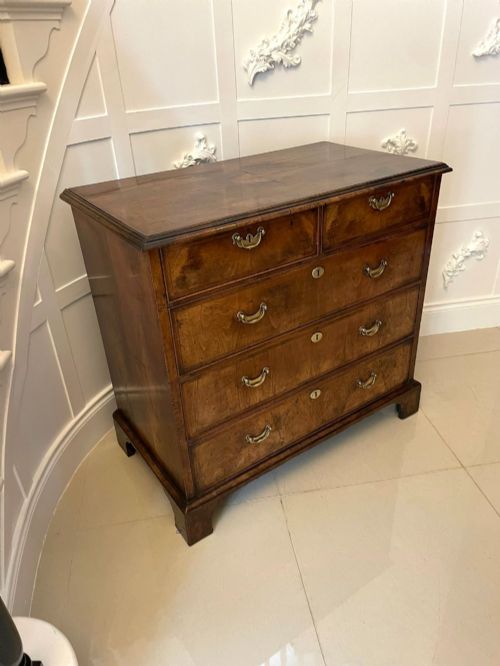
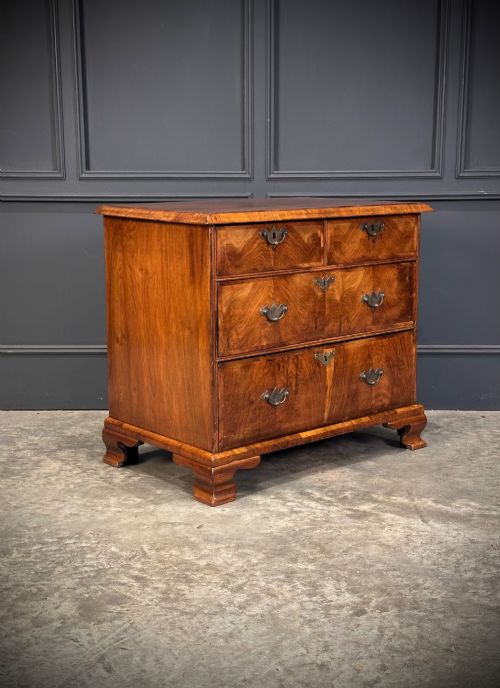
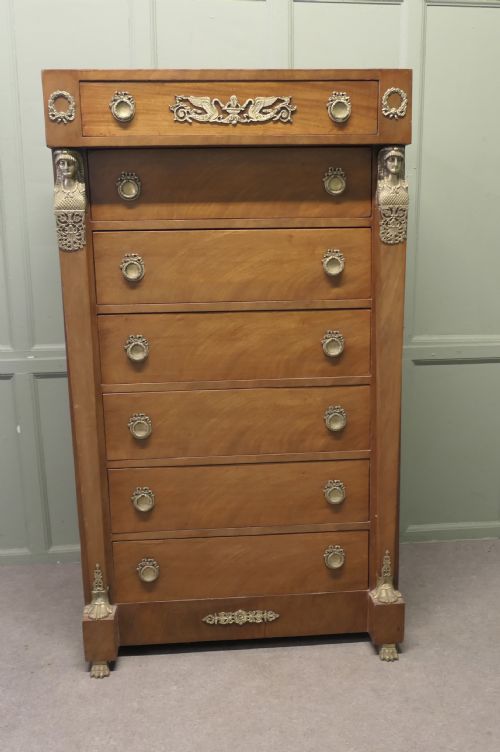
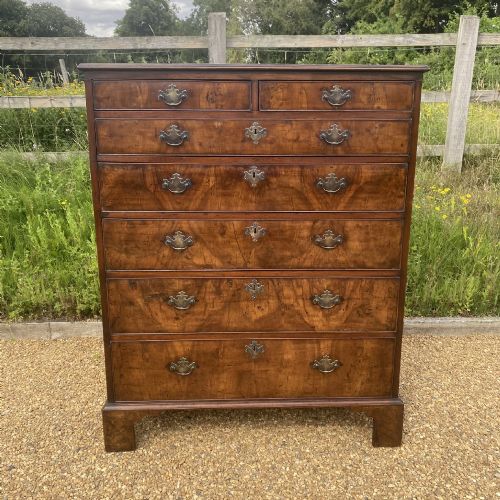
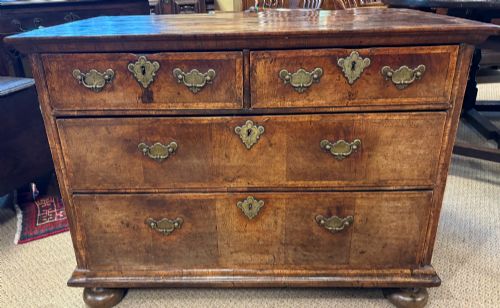
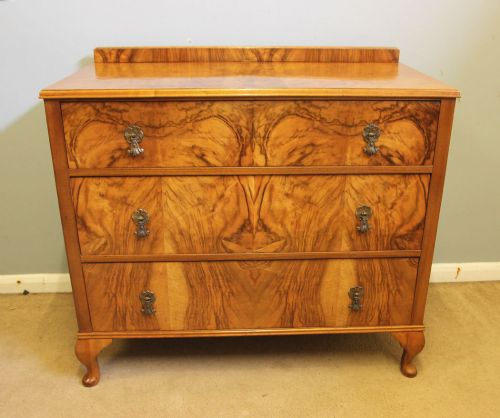
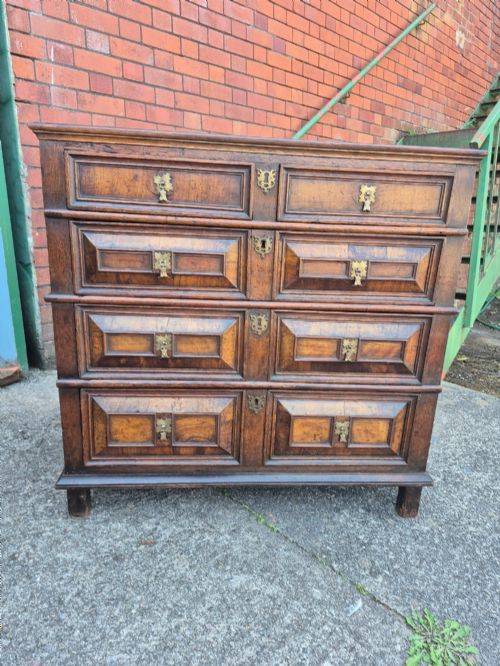
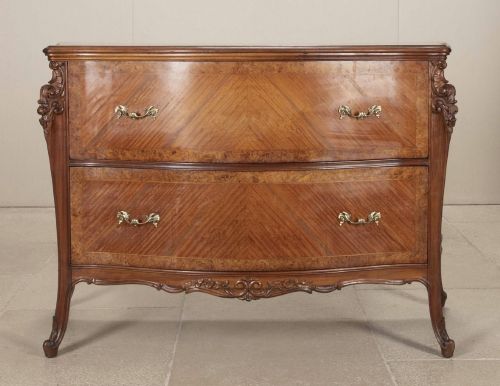
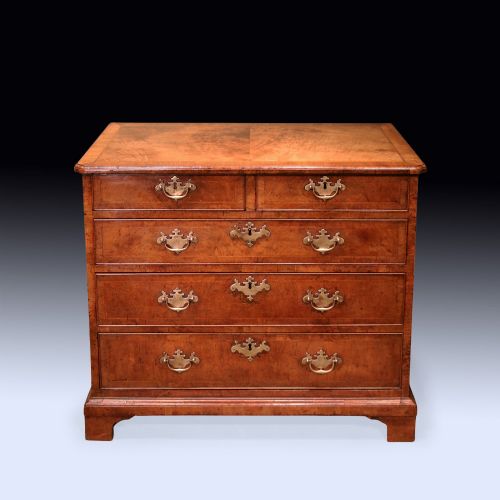
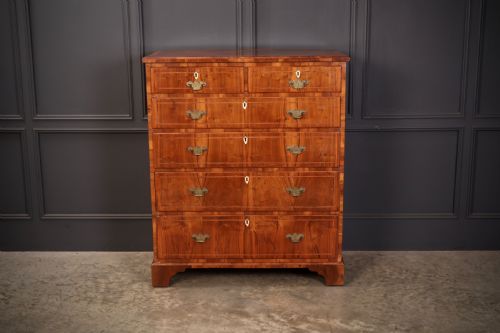
When searching for a warm brown walnut dresser, buyers encounter a diverse selection of case pieces designed for storage and display. The inventory includes seventeenth-century geometric designs, eighteenth-century chests of drawers, commodes, and tallboys, alongside later Victorian and Edwardian examples.
How they were made
Cabinet makers utilised walnut and burr walnut timbers, often complemented by secondary woods such as oak and pine within drawer linings and carcases. Surfaces frequently display figured grain patterns, feather-banded borders, and geometric inlay.
Hardware details incorporate brass drop handles and escutcheons, while structural elements combine iron fixings and glass components where display cabinets or mirror backs are present.
Listings span multiple eras from the seventeenth century through the Edwardian period, uniting walnut, burr walnut, and oak.
What varies in quality
The distinction between tiers of quality rests upon the selection of timber veneers and the subtlety of figure within the walnut. Superior examples display carefully matched grain patterns across the drawer fronts and top surfaces.
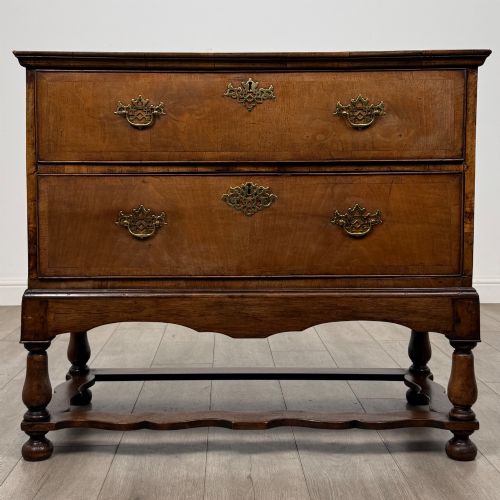
Construction fidelity and period integrity set apart the finer items. Original stands, well-preserved feather-banding, and intact historical hardware elevate a piece above later adaptations or replacements.
The Warm Brown Walnut Dresser Glossary
- Commode
- A low French chest of drawers or cabinet originating in the seventeenth century. These pieces typically feature multiple drawers and elaborate veneer work.
- Feather-banding
- A decorative inlay technique using small pieces of veneer cut diagonally to form a herringbone pattern around drawer edges. It frames the primary wood grain.
- Tallboy
- A tall chest of drawers standing upon another chest or a low base frame. This form maximises vertical storage capacity.
- Breakfront
- A piece of furniture with a central section that projects forward from the flanking sections. It creates depth and architectural presence on commodes and cabinets.
- Buffet Vaisselier
- A two-part French dining room storage unit combining a lower sideboard cabinet with upper display shelving. It serves for storing and exhibiting tableware.
Warm Brown Walnut Dresser: Frequently Asked Questions
How do I identify a Georgian walnut chest?
Georgian walnut pieces typically display rich figured grain, fine feather-banded borders, and proportional brass hardware. Look for solid construction methods characteristic of the eighteenth century.
Drawer linings often utilise oak or pine, and the overall aesthetic prioritises restrained elegance and clean architectural lines.
What is a walnut chest on stand?
A chest on stand combines a main drawer carcase elevated on a separate lower frame with legs. This configuration lifts the storage space off the floor.
Originating in earlier periods, these pieces offer a lighter visual profile compared to standard floor-standing chests of drawers.
How do I care for antique walnut furniture?
Maintain walnut furniture by keeping it away from direct sunlight and steady temperature fluctuations. Consistent humidity prevents the wood and veneer from drying out.
Apply traditional wax sparingly and polish with a soft cloth to preserve the natural lustre of the brown timber grain.
Where were French provincial buffets used?
French provincial buffets functioned as primary storage and serving pieces in regional dining spaces and kitchens. They held household linens, ceramics, and daily provisions.
The upper display sections showcased decorative tableware while the lower cupboards secured heavier items.