



Georgian Style Drawer Unit
A georgian style drawer unit brings classic proportions and timber warmth to a room, offering practical storage disguised in traditional elegance.
Georgian Style Drawer Unit
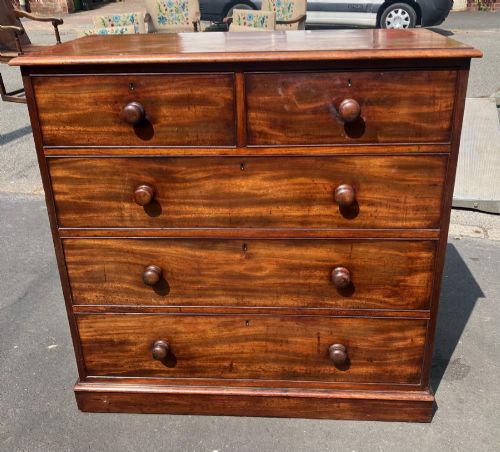
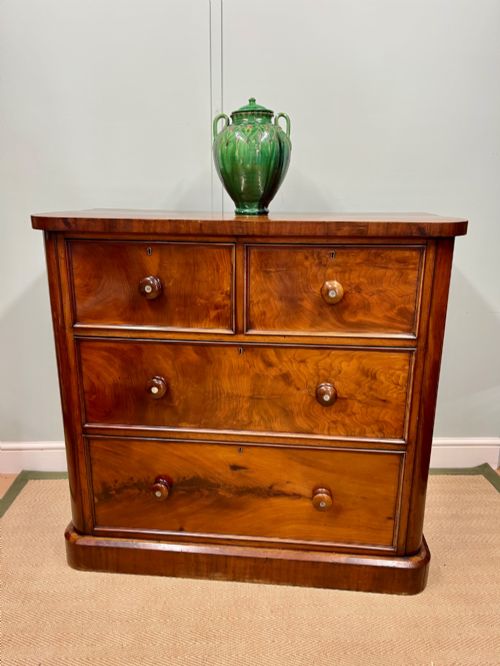
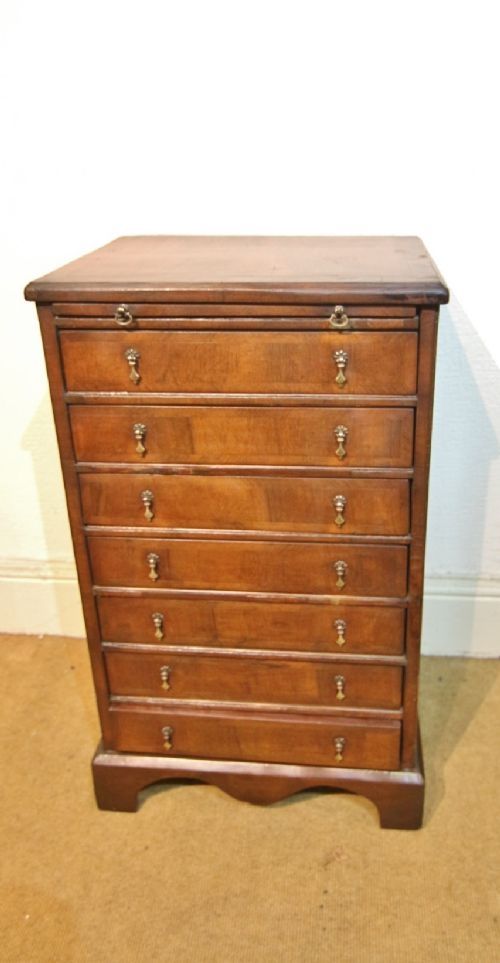
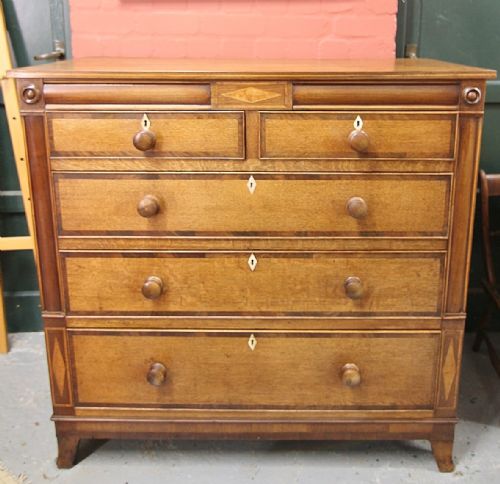
A georgian style drawer unit encompasses chest of drawers, collector chests, and dressing chests rooted in traditional cabinetry forms. You will encounter pieces spanning the nineteenth century through the early twentieth century, alongside revival interpretations.
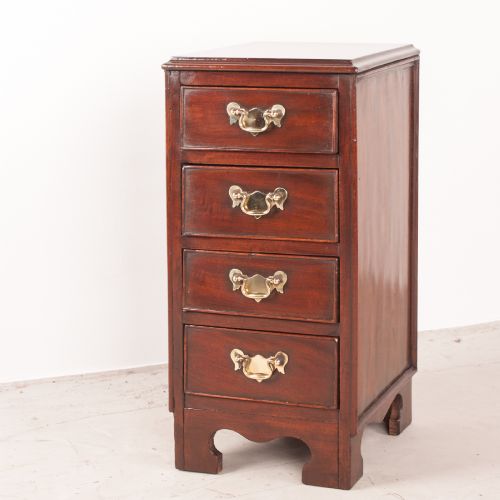
The selection ranges from narrow four-drawer formats and compact trinket chests to elaborate pieces with secret drawers and stands. Mahogany, walnut, and satinwood dominate the forms, reflecting the enduring appeal of eighteenth-century design vocabulary.
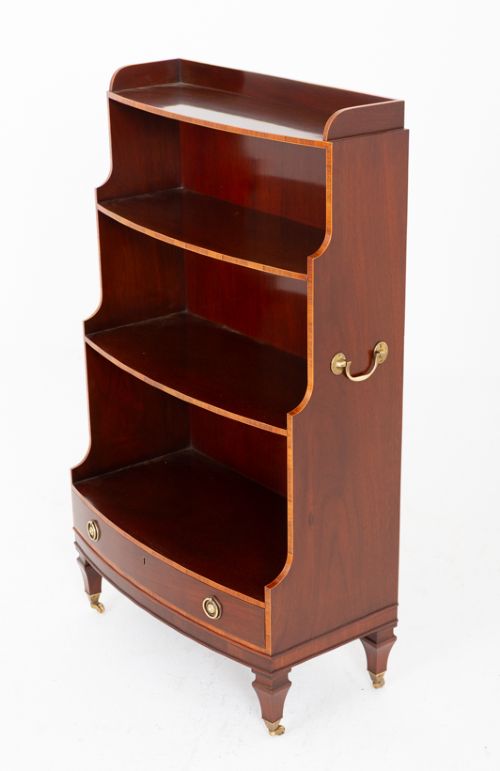
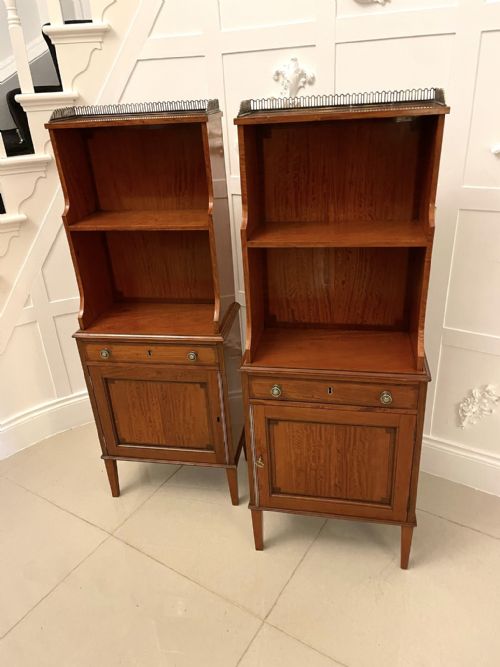
Many items combine drawer storage with open shelving or display spaces, such as waterfall bookcases equipped with lower drawers. These hybrid forms provide versatile utility while maintaining period character.
Materials and construction
Makers utilised solid timbers alongside figured veneers, applying flame mahogany veneer and burr walnut to prominent surfaces for visual depth. Secondary woods provide structural stability inside the drawer boxes while primary faces display grain figure.
Brass hardware, including swing handles and key escutcheons, punctuates the timber surfaces across chests and cabinets. Inlaid stringing and banding in contrasting light woods frequently accent satinwood and mahogany panels.
Materials span solid oak and mahogany to burr walnut, flame mahogany veneer, satinwood, and yew wood.
Assessing craftsmanship and quality
Quality rests in the selection of timber figures, where matched veneers and figured walnut or flame mahogany elevate standard utility pieces into notable examples. The precision of inlaid stringing and the integrity of the secondary woods reveal the maker's hand.
Gillows
The Georgian Style Drawer Unit Glossary
- Flame mahogany veneer
- A sliced section of mahogany showing a distinctive flickering flame pattern used on drawer fronts and cabinet doors. This decorative veneer was prized for creating symmetrical visual movement.
- Secret drawer
- A concealed compartment built into a chest or cabinet, often accessed by removing a concealing panel or activating a hidden spring. These clever additions offered secure storage for valuables.
- Waterfall bookcase
- A standing shelving unit with recessed, stepped shelves that cascade downwards, frequently incorporating drawers at the base. The design gained popularity during the late nineteenth and early twentieth centuries.
- Inlay
- The technique of embedding contrasting pieces of wood or metal into a solid timber surface to form decorative patterns. Satinwood and darker timbers were often combined in geometric bandings.
- Dressing chest
- A low chest of drawers fitted with a mirror, designed for bedroom use and personal grooming. They combine surface storage with accessible drawer space.
Georgian Style Drawer Unit: Frequently Asked Questions
How do I spot a true period piece?
Examine the timber selection, construction methods, and secondary woods used inside the drawer boxes. True period examples display hand-cut dovetails and timber movement consistent with age.
Revival pieces often utilise standardised machine-cut joints and modern adhesives, even when employing traditional eighteenth-century design motifs.
Where should I place a drawer unit?
These versatile units suit studies, living rooms, and bedrooms, providing surface display areas alongside concealed storage. Narrow formats fit well in hallways or alcoves where floor space is limited.
Keep wooden furniture away from direct heat sources and strong sunlight to protect the polished timber and delicate veneers.
What is a secret drawer?
A secret drawer is a hidden compartment integrated into the architecture of a chest, often behind a removable plinth or dummy drawer front. Cabinetmakers designed these to secure small documents or valuables.
Discovering one requires inspecting the internal framework and operating sliding or spring-loaded panels within the cabinet.
How do I care for antique mahogany?
Maintain the finish by dusting with a soft, dry cloth and applying quality beeswax sparingly to nourish the timber. Avoid silicone sprays or synthetic polishes that build up over time.
Stable indoor humidity prevents the solid mahogany and applied veneers from splitting or lifting.